

$1.75m Fine Exposes How Two Shipping Giants Tricked Ocean Pollution Sensors
MSC Shipmanagement and Hong Kong Spirit Shipping fined for bypassing oily-water separators and falsifying records.
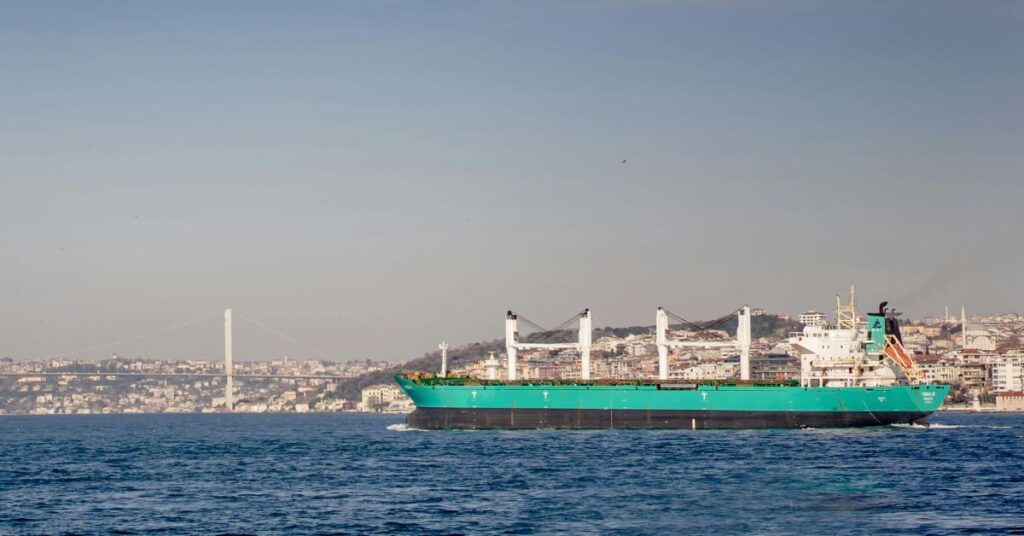
Two shipping companies have been fined a combined $1.75 million after a U.S. court found them guilty of illegally discharging untreated oily wastewater into the ocean, bypassing pollution-control equipment and falsifying records to conceal the violations.
The case, heard in the Eastern District of Pennsylvania, involved MSC Shipmanagement LTD and Hong Kong Spirit Shipping and Trading LTD, the owner of the containership MSC Samira III. Both firms pleaded guilty to violating the Act to Act to Prevent Pollution from Ships from Ships (APPS) between June 2024 and January 2025, following an investigation by the U.S. Coast Guard and the Department of Justice.
The violations came to light when the MSC Samira III docked at the Port of Philadelphia in January 2025. During a routine inspection, Coast Guard officials discovered discrepancies in the vessel’s oil record book, which is required to document all discharges of oily waste.
Further investigation revealed that senior engine department officers had instructed junior crew members to use portable pumps and hoses to transfer oily bilge water into a sewage holding tank, bypassing the ship’s oily-water separator, a critical piece of equipment designed to ensure wastewater contains no more than 15 parts per million of oil before discharge.
How the Crew Manipulated Pollution Controls
The scheme involved more than just bypassing the separator. To deceive onboard sensors, senior crew members ran clean water through the system while simultaneously discharging untreated oily water directly into the ocean. This manipulation ensured that the sensors recorded safe oil levels, even as the vessel violated international pollution regulations. The 2nd Engineer of the MSC Samira III, Mikhail Tsurikov, later admitted to his role in the violations and pleaded guilty to violating the Prevention of Ship Pollution Act.
The falsified records were not limited to sensor readings. The ship’s oil record book, a legal document that must be presented to port authorities during inspections, contained false entries designed to conceal the illegal discharges. When the MSC Samira III arrived in Philadelphia, the crew provided these falsified records to the Coast Guard, but officials grew suspicious and launched a deeper investigation.
Environmental and Legal Consequences of the Violations
The illegal discharges posed a significant threat to marine ecosystems. Captain Roberto Rivera of the U.S. Coast Guard emphasised the severity of the violations, stating in a statement:
“Illegally discharging untreated oily water into the ocean can create a serious environmental risk and is against the international frameworks designed to keep waters safe and pollution-free.".
The legal repercussions for the companies were substantial. In addition to the $1.75 million fine, both MSC Shipmanagement and Hong Kong Spirit Shipping were sentenced to four years of probation. Attorney David Metcalf, who prosecuted the case, condemned the firms’ actions, saying.
His sentencing is scheduled for a court hearing on September 10, 2026.
The incident underscores the challenges of enforcing environmental regulations in the shipping industry. While international frameworks like the APPS set strict standards for wastewater discharge, compliance relies heavily on accurate recordkeeping and onboard monitoring. The use of portable pumps and hoses to bypass pollution-control equipment demonstrates how easily these systems can be manipulated when crew members are complicit in the violations.
For the maritime industry, the case serves as a stark reminder of the consequences of cutting corners on environmental compliance.
The U.S. Coast Guard and the Department of Justice have signalled their commitment to holding companies accountable, ensuring that the oceans remain protected from illegal pollution.


Sign up free to ask CAMAL AI for a summary, the key points or anything else about this story.
Related stories
CAMAL AI
 Financial Ports Newsletter
The maritime economy, every morning
Ports, shipping and freight markets in one short email. Free.
Financial Ports Newsletter
The maritime economy, every morning
Ports, shipping and freight markets in one short email. Free.