14 Somali Pirates Killed as Turkish Commandos Storm Hijacked Ship
Turkish and Somali forces retake the 1,400-dwt Lutuf after a 10-day operation off Somalia’s coast, killing 14 attackers.
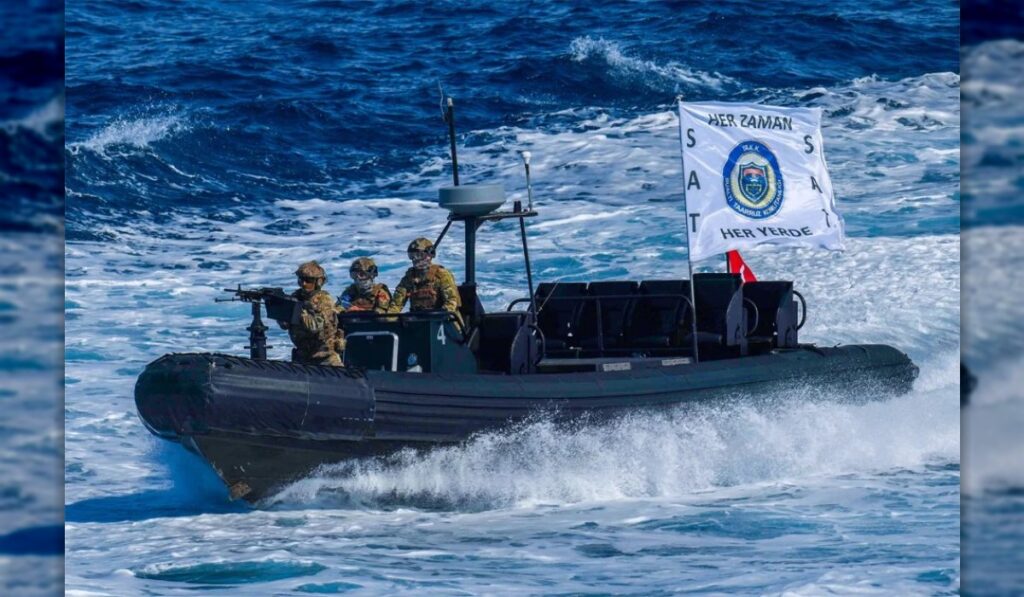
Turkish commandos, backed by Somali forces, have retaken the hijacked cargo ship Lutuf after a 10-day operation that left 14 Somali pirates dead and four of their boats destroyed. The vessel, seized on August 17 while en route to Turkey’s TURKSOM Military Base in Somalia, was freed on August 29 following a refusal to pay the pirates’ ransom demands, which had dropped from $10 million to $2 million.
The 1,400-dwt Lutuf, built in 1995 and flagged in Cameroon, was boarded by eight pirates approximately 4.5 nautical miles south of Maraya on Somalia’s southern coast. The crew of 10, comprising six Indian nationals, one Turkish national, one Georgian, and two Serbian security guards, had been held captive since the hijacking. Somali authorities confirmed that the ship has now resumed its voyage, though the fate of the surviving pirates remains unclear.
How the operation unfolded: a 10-day standoff: Pirates
According to Somalia’s Ministry of Defense, the pirates initially demanded $10 million in ransom, a figure later reduced to $2 million as pressure mounted. Unconfirmed reports suggest that between four and six pirates were killed in earlier skirmishes when they attempted to resupply from a smaller boat, prompting the remaining attackers to place the vessel under full lockdown.
Brent Crude
Somalia’s Ministry of Defense stated that 14 pirates were killed and four of their boats destroyed during the operation. The statement added:
“The forces have taken full control of MV Lutuf, which has now safely resumed its voyage. Acts of piracy are serious criminal offences carrying severe penalties. The Ministry warns those involved, their backers and anyone who supports or condones such acts that they will be held accountable and brought to justice.".
The broader crisis: piracy’s resurgence in the Horn of Africa
The retaking of the Lutuf comes amid a worrying resurgence of piracy in the Horn of Africa, a region critical to global maritime trade.
Countries such as Egypt and Pakistan have been pressing for diplomatic solutions to secure the release of their citizens among the kidnapped crews. Pakistani officials have warned that retaking hijacked tankers by force could be too dangerous due to the risk of spills or explosions. Meanwhile, analysts suggest that the pirates have been emboldened by regional instability, rising oil prices, and potential support from Yemen’s Houthi rebels, who have been targeting commercial vessels in the Red Sea.
Turkey’s involvement in the Lutuf operation underscores its growing strategic interests in Somalia, which include military, energy, and infrastructure projects. The deployment of the TCG Kemalreis and TCG Yzb to the Horn of Africa is part of Ankara’s broader effort to combat piracy and protect maritime routes linking the Red Sea, Gulf of Aden, and Indian Ocean.
The IMO has called for increased naval patrols and cooperation among regional states to address the threat.
For the shipping industry, the resurgence of piracy poses significant risks. Vessels transiting the Gulf of Aden and Indian Ocean are advised to maintain heightened vigilance, implement best management practices, and avoid high-risk areas where possible.
The retaking of the Lutuf marks a rare success in the fight against piracy, but the broader crisis shows no signs of abating. With four more ships still in pirate hands and over 90 seafarers awaiting release, the international community faces mounting pressure to find a lasting solution to the threat in one of the world’s most vital shipping corridors.
Sign up free to ask CAMAL AI for a summary, the key points or anything else about this story.
Related stories
Financial Ports Newsletter
The maritime economy, every morning
Ports, shipping and freight markets in one short email. Free.