

46 Containers Overboard: Philippine Shipping Lane on High Alert
Philippine Coast Guard deploys drones and vessels after 46 empty containers fall from Span Asia 39 near Batangas
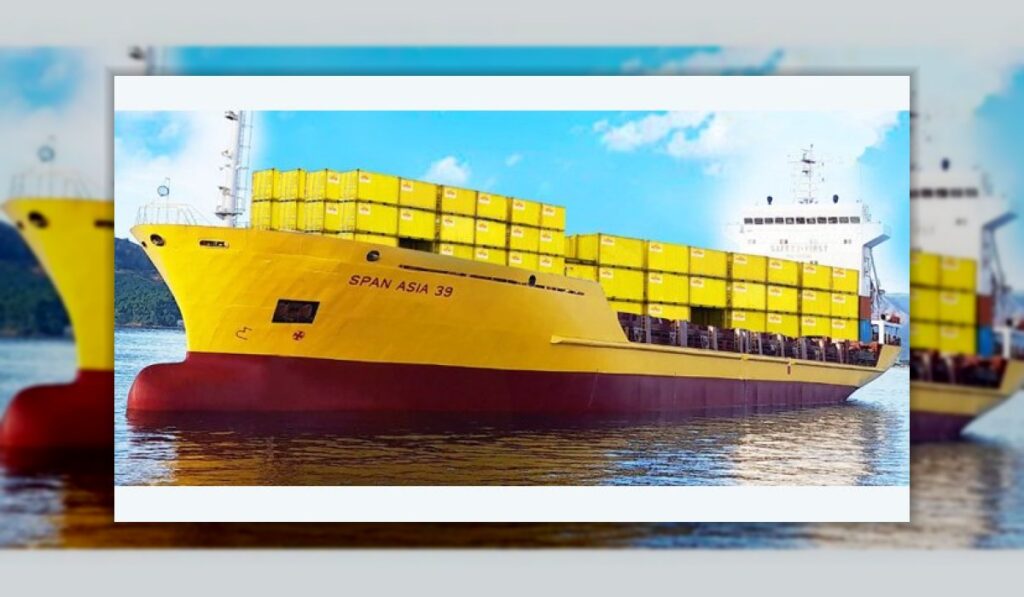
The incident, reported at 11:00 a.m. local time on September 3, has triggered search operations near Hamilo Point, where at least one container has already washed ashore.
The 115-metre (377-foot) vessel, owned by Philippine Span Asia Carrier Corp., was en route from Davao International Container Terminal to Manila North Harbor when it encountered severe weather conditions. The ship, with a capacity of 564 TEU and a deadweight tonnage of 8,300 DWT, was carrying 332 containers at the time of departure on August 31. According to the master of the vessel, the container lashings loosened due to continuous rolling, resulting in the loss of 30 20-foot containers, 11 40-foot containers, and five open containers, all reportedly empty.
While the ship initially proceeded to the North Manila Anchorage, another container fell overboard and sank during manoeuvres. The PCG swiftly dispatched CGS Cavite and a drone to the area, with the 44-metre multi-role response vessel BRP Malapascua joining the search and drift-tracking efforts. Coast Guard District Southern Tagalog (CGDSTL) Tagalog (CGDSTL) has launched safety and control operations, deploying personnel from CGS Batangas and CGSS Nasugbu for on-site verification.
Span Asia 39, built in 2006, was described by its operator as a “game changer” for the Manila-Cebu-CDO-Cebu-Manila route, boasting a speed of 15 knots.
The PCG’s response underscores the potential hazards posed by drifting containers. Even empty, these units can float for days, posing risks to other vessels, fishing boats, and coastal communities. The deployment of drones and specialised vessels like BRP Malapascua reflects the Coast Guard’s efforts to mitigate these risks, though the search remains challenging due to the vast area and unpredictable drift patterns.
For the shipping industry, incidents like this serve as a reminder of the importance of securing cargo, especially in regions prone to sudden weather changes. While the containers lost from Span Asia 39 were empty, the financial and operational impact of such events can still be substantial, affecting schedules, insurance premiums, and vessel safety protocols.
Environmental and Economic Implications of Container Loss: Philippine
Container losses at sea are not merely operational setbacks; they carry significant environmental and economic consequences. While the containers lost from Span Asia 39 were reportedly empty, such incidents can still pose threats to marine ecosystems. Containers that sink or drift ashore may release microplastics, metals, or other pollutants, particularly if they were previously used to transport hazardous materials. The PCG’s swift response aims to minimise these risks by locating and recovering the containers before they cause further environmental damage.
Economically, the loss of containers disrupts the flow of goods, leading to delays and increased costs for businesses. For Philippine Span Asia Carrier Corp., the incident may result in higher insurance premiums and potential penalties for failing to secure cargo adequately. The company, which operates a fleet of interisland vessels, plays a crucial role in the Philippines’ domestic trade. Any disruption to its operations can have ripple effects across industries, from retail to manufacturing, that depend on timely deliveries.
Moreover, the incident highlights the need for stricter enforcement of cargo securing protocols. The International Maritime Organization (IMO) sets guidelines for container lashing, but compliance varies across regions and operators. In the Philippines, where interisland shipping is vital, ensuring adherence to these standards is critical for preventing future incidents. The PCG’s investigation into the Span Asia 39 case may lead to recommendations for improved safety measures, including regular inspections of lashing systems and weather contingency plans.
What Happens Next in the Search for the Lost Containers
The PCG has not yet confirmed whether all 46 containers have been accounted for, though the discovery of one ashore suggests others may still be adrift. The use of drift-tracking technology and aerial surveillance will be critical in locating the remaining units before they pose further risks to navigation or the environment. The PCG’s Coast Guard District Southern Tagalog (CGDSTL) Tagalog (CGDSTL) is leading the search efforts, coordinating with local units such as CGS Batangas and CGSS Nasugbu to monitor coastal areas for any signs of the containers.
Philippine Span Asia Carrier Corp. has not issued a public statement beyond the initial report, but the incident is likely to prompt a review of lashing procedures and weather contingency plans. The company may also face scrutiny from maritime authorities regarding its compliance with safety protocols. For now, the navigational warning remains in effect, with vessels advised to exercise caution in the affected area, particularly within 1.5 to 1.78 nautical miles offshore near Hamilo Point.
As search operations continue, the focus will shift to preventing similar incidents in the future. The PCG’s proactive measures, including the use of drones and multi-role vessels, demonstrate a commitment to safeguarding one of the Philippines’ busiest shipping lanes, a vital artery for domestic trade and logistics. For stakeholders in the shipping industry, the incident serves as a call to action to prioritise cargo security and weather preparedness, ensuring that interisland routes remain safe and efficient for years to come.
Members of the public, particularly those in coastal communities near Hamilo Point and Calatagan, are advised to stay informed about the ongoing search operations. Fishermen and small boat operators should avoid the affected area and report any sightings of drifting containers to local Coast Guard units immediately.
For businesses reliant on interisland shipping, monitoring updates from Philippine Span Asia Carrier Corp. and the PCG can help mitigate disruptions. The incident underscores the importance of contingency planning, including alternative supply routes and buffer stocks, to minimise the impact of unforeseen disruptions. While the immediate focus remains on recovering the lost containers, the broader lesson for the industry is clear: proactive safety measures and robust response protocols are essential for navigating the challenges of maritime trade in an archipelagic nation like the Philippines.


Sign up free to ask CAMAL AI for a summary, the key points or anything else about this story.
Related stories
CAMAL AI
 Financial Ports Newsletter
The maritime economy, every morning
Ports, shipping and freight markets in one short email. Free.
Financial Ports Newsletter
The maritime economy, every morning
Ports, shipping and freight markets in one short email. Free.



