

Panama’s 30-year reign ends as tonnage plummets 15% in 2026
Marshall Islands overtakes Panama as the world’s second-largest registry by tonnage, Clarksons data shows
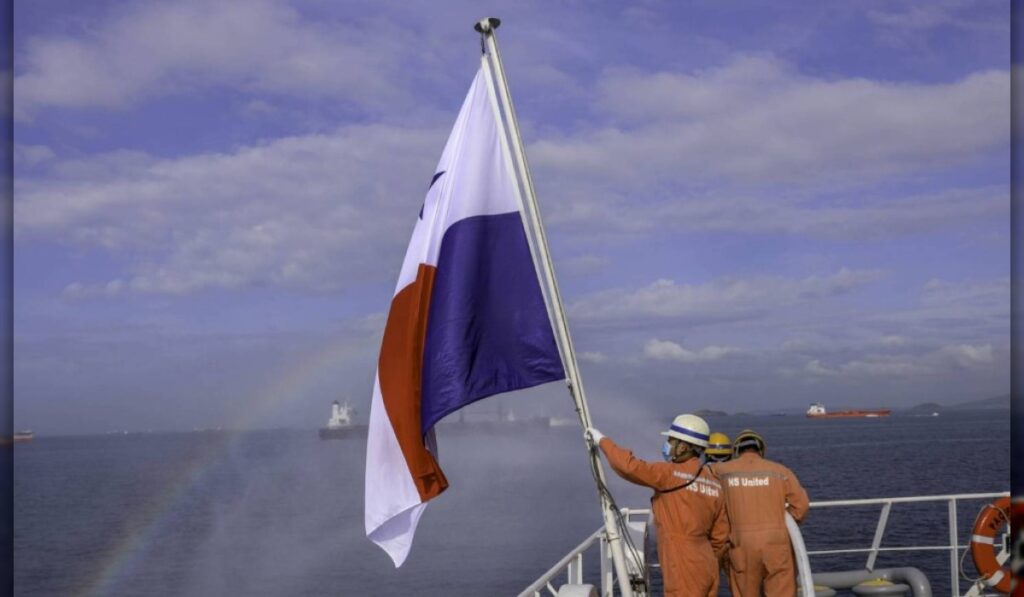
Panama’s three-decade dominance as the world’s top ship registry has collapsed, with the Marshall Islands overtaking it to claim second place by tonnage. The latest Clarksons Research data, dated September 1, shows Panama’s fleet at 196 million gt, down 15% this year, while Liberia remains the undisputed leader with 317.4 million gt.
Panama had held the top spot for 30 years before Liberia surpassed it in 2023. Panama, however, still leads in sheer vessel numbers, with 7,516 ships compared to the Marshall Islands’ 4,808.
The decline is no accident. The Panama Maritime Authority has deliberately tightened its registry, banning tankers and bulkers over 15 years old last year to distance itself from sanctioned and shadow fleet tonnage. Panama’s average ship age now stands at 19.5 years, the oldest among the top five registries, far above Liberia’s 12.6 years and the Marshall Islands’ 12.
Safe Bulkers
Geopolitics has also played a role. In June, heightened Chinese scrutiny of Panama-flagged ships followed Panama’s removal of CK Hutchison-linked operators from two canal ports. Chinese leasing companies have since pressured owners to reflag away from Panama when arranging newbuilding finance, further eroding its tonnage. Ramon Franco, head of Panama’s Ship Registry, defended the strategy:
“At the moment, our priority is to ensure that the vessels in our fleet are the best. If this means being more selective, by refusing to register certain vessels or by cancelling the registration of those whose performance is not up to standard, we will do so.”
Ramon Franco·Head of Panama’s Ship Registry
Franco added:
“Through these measures, taken as part of a move towards a more selective, safer and higher-performing fleet, the Register reaffirms its commitment to pursuing excellence in the service of its clients and the global maritime industry.”
Ramon Franco·Head of Panama’s Ship Registry
What this means for shipowners and global trade: Panama
The reshuffling at the top reflects broader trends in maritime regulation and geopolitical tensions. Singapore has consolidated fourth place with 141.1 million gt, overtaking Hong Kong (111.6 million gt) last year as major owners like Seaspan and Pacific Basin shifted tonnage amid US-China trade tensions.
Panama’s crackdown on older vessels and compliance with US sanctions has improved its reputation but at the cost of tonnage.
The implications stretch beyond the registry rankings. Panama’s fleet, with its average age of 19.5 years, is particularly vulnerable to these pressures.
The canal authority has already faced challenges from drought and geopolitical tensions, and a diminished registry could further complicate its efforts to maintain its role as a global shipping hub.
Looking ahead, the competition among registries is likely to intensify. Liberia’s continued growth, driven by its reputation for stability and compliance, suggests it will remain the leader for the foreseeable future. The Marshall Islands, with its younger fleet and US backing, is well-positioned to hold onto second place. For Panama, the path forward is less clear. The registry’s focus on quality over quantity may pay off in the long run, but in the short term, it faces an uphill battle to regain its former dominance.
Shipowners weighing their options should consider not just tonnage and vessel count, but also geopolitical risks, fleet age, and compliance with evolving regulations. The days of choosing a flag solely for cost or convenience are over, today, the decision carries strategic weight. For those still flying the Panama flag, the clock is ticking to modernise or risk falling further behind.


Sign up free to ask CAMAL AI for a summary, the key points or anything else about this story.
Related stories
CAMAL AI
 Financial Ports Newsletter
The maritime economy, every morning
Ports, shipping and freight markets in one short email. Free.
Financial Ports Newsletter
The maritime economy, every morning
Ports, shipping and freight markets in one short email. Free.