

DOF secures $25m North Sea decom deal
Norwegian vessel owner DOF lands significant subsea decommissioning contract in the North Sea.
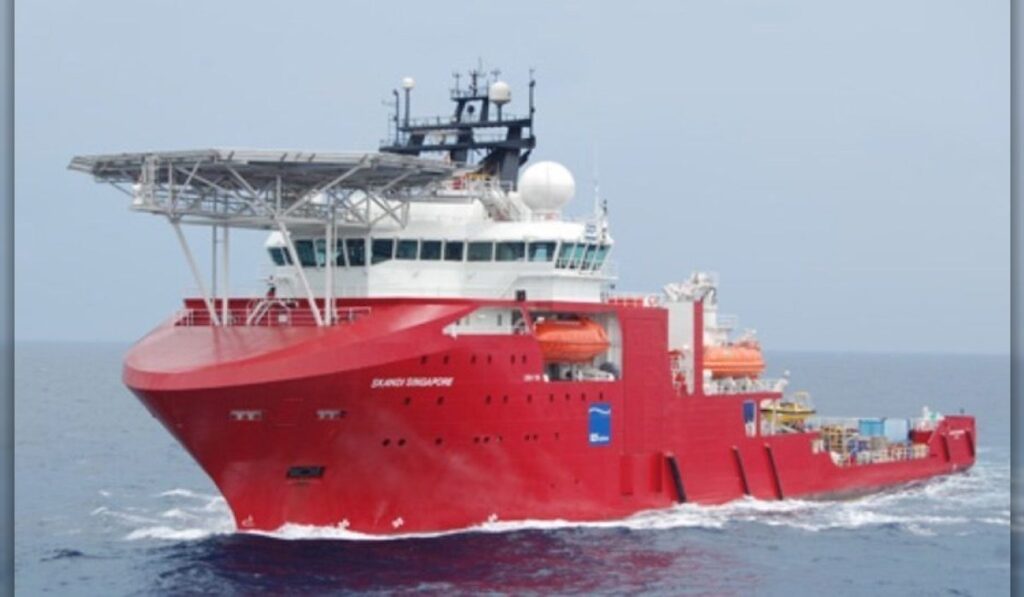
Norwegian offshore vessel owner DOF has secured a significant decommissioning contract in the North Sea, marking a strategic move into the growing market for end-of-life offshore infrastructure removal. The deal, valued between $15 million and $25 million, will see DOF manage the removal of subsea infrastructure and seabed clearance across multiple fields, with operations set to begin in the first quarter of 2027.
DOF’s integrated decommissioning capabilities will be put to the test, combining in-house engineering, project management, marine operations, ROV services, survey, and offshore execution. The company will deploy one of its Construction Support Vessels (CSVs) to carry out the offshore campaign, though the specific vessel remains undisclosed. This contract underscores the increasing demand for specialised decommissioning services as ageing offshore fields reach the end of their operational lifespans.
Why this decommissioning contract matters for the offshore sector
The North Sea has long been a critical region for global oil and gas production, but many of its fields are now entering the decommissioning phase. Regulatory pressures, environmental concerns, and economic viability are driving operators to dismantle outdated infrastructure, creating a lucrative niche for companies like DOF. The contract scope includes not just the physical removal of subsea structures but also project management, engineering, and disposal services, highlighting the complexity of such operations.
Norwegian Cruise Line
The North Sea, a mature basin with over 50 years of hydrocarbon extraction, is now at the forefront of the decommissioning wave. The UK and Norway, the region’s two largest producers, have implemented stringent regulations requiring operators to remove disused infrastructure to prevent environmental hazards.
These rules mandate that companies clear the seabed of pipelines, wellheads, and other subsea installations, ensuring no residual risks remain. DOF’s contract aligns with these regulatory demands, reinforcing the company’s role in meeting compliance standards while delivering cost-effective solutions.
DOF’s CEO, Mons S. Aase, emphasised the company’s readiness for the challenge:
“We are pleased to secure this contract and look forward to delivering a safe and efficient decommissioning campaign. The award reflects the strength of DOF’s integrated service offering and our ability to execute complex offshore projects across the full project lifecycle.”
Mons S. Aase·CEO, DOF Group
The deal is particularly notable given DOF’s definition of a ‘Significant contract’, one falling within the $15 million to $25 million range. This classification suggests the project is substantial enough to bolster DOF’s market position while addressing the industry’s need for reliable decommissioning solutions.
The North Sea’s regulatory environment, which mandates thorough seabed clearance, further amplifies the importance of such contracts. For DOF, this contract is not just a financial win but a strategic foothold in a market poised for exponential growth as more fields reach decommissioning age.
DOF Group ASA, the parent company of DOF, is listed on the Oslo Stock Exchange and operates a fleet of over 50 vessels, including platform supply vessels (PSVs), anchor handling tug supply vessels (AHTS), and CSVs. The company’s expertise in marine operations and subsea services has positioned it as a preferred contractor for complex offshore projects. This decommissioning contract builds on DOF’s existing capabilities, allowing it to leverage its fleet and technical know-how to deliver end-to-end solutions for operators looking to retire ageing infrastructure.
What decommissioning means for the North Sea’s future
The decommissioning market in the North Sea is not just about removing old infrastructure, it is also about repurposing the region’s resources for the energy transition. As oil and gas fields decline, there is growing interest in using existing subsea infrastructure for carbon capture and storage (CCS) or offshore wind projects. Companies like DOF, with their deep understanding of subsea operations, are well-placed to facilitate this transition, offering services that bridge the gap between traditional energy and renewable solutions.
The economic implications of decommissioning are significant. Industry analysts estimate that the North Sea decommissioning market could be worth up to $50 billion over the next decade, with the UK alone accounting for nearly half of that figure. This presents a substantial opportunity for contractors like DOF, which can provide the specialised vessels and technical expertise required for safe and efficient removal operations.
The company’s ability to integrate multiple services, from engineering to disposal, gives it a competitive edge in a market where operators are increasingly outsourcing decommissioning work to reduce costs and mitigate risks.
With the offshore campaign slated for early 2027, DOF will now focus on mobilising its resources, including the unnamed CSV that will handle the physical removal of subsea infrastructure. The company’s ability to integrate multiple services, from engineering to disposal, positions it as a key player in the decommissioning sector, which is expected to grow as more fields reach the end of their productive lives.
The North Sea decommissioning market is projected to expand in the coming years, driven by both regulatory requirements and the natural lifecycle of offshore assets. Operators are increasingly seeking partners with the technical expertise and operational capacity to manage these complex projects efficiently. DOF’s success in securing this contract signals its readiness to capitalise on this trend, potentially paving the way for further deals in the region and beyond.
For industry stakeholders, the contract serves as a reminder of the evolving dynamics in offshore energy. As fields mature, decommissioning will become a more prominent aspect of the sector, requiring specialised skills and infrastructure. DOF’s integrated approach, combining in-house capabilities with marine operations, could set a benchmark for future projects, ensuring that seabed clearance is conducted safely, efficiently, and in compliance with environmental standards.
The first quarter of 2027 will be a critical period for DOF as it executes this campaign. Success could not only strengthen its reputation in the decommissioning market but also attract additional contracts from operators looking to retire ageing infrastructure. With the offshore sector facing increasing scrutiny over environmental impacts, companies like DOF are well-placed to lead the transition toward sustainable end-of-life solutions for offshore fields.
For readers tracking the offshore sector, DOF’s contract is a clear indicator of where the industry is headed. The decommissioning market is no longer a niche but a core component of offshore operations, with companies like DOF leading the charge. Stakeholders can follow updates on DOF’s progress through the company’s investor relations portal on its official website, where it regularly publishes project milestones and financial performance reports.
As the 2027 campaign approaches, industry observers will be watching closely to see how DOF delivers on its promise of safe, efficient, and compliant decommissioning services.


Sign up free to ask CAMAL AI for a summary, the key points or anything else about this story.
Related stories
CAMAL AI
 Financial Ports Newsletter
The maritime economy, every morning
Ports, shipping and freight markets in one short email. Free.



