

Kistos locks in rig and lift vessel for £1bn Dutch North Sea
UK-listed operator targets 2028 start for plug-and-abandonment campaign at Q10-A gas field.
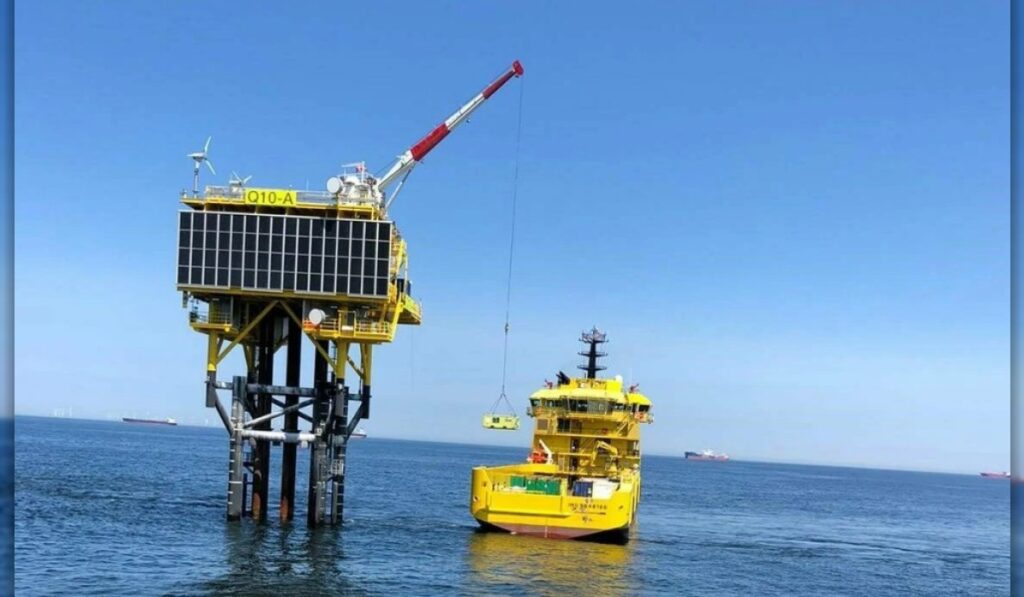
UK-based energy company Kistos has finalized contracts for the decommissioning of its Q10-A gas field in the Dutch North Sea, with offshore operations set to begin in 2028. The agreements, revealed in the company’s interim financial results, cover two key components of the project: well abandonment and platform removal.
The first contract involves a rig that will conduct a single plug-and-abandonment operation on the field’s six producing wells. A separate lift vessel has been secured to dismantle the Q10-A platform jacket. Kistos has not disclosed the names of the contractors, the vessels involved, or the financial terms of the agreements.
Production at the Q10-A field is expected to halt by the end of 2027. The well abandonment campaign is scheduled for 2028, with the removal of the remaining infrastructure likely to follow in 2029. Kistos holds a 60% stake in the field, which lies approximately 22 kilometers off the Dutch coast.
Background and infrastructure of the Q10-A field: Dutch North Sea
The Q10-A field began production in January 2019 and currently exports gas through a 42-kilometer pipeline to the TAQA-operated P15-D processing facility. The field’s development traces back to a 2018 engineering, procurement, construction, and installation (EPCI) contract awarded to Heerema Fabrication Group by Tulip Oil, the original operator. Kistos later acquired Tulip Oil, taking over the asset.
The platform was designed as an unmanned facility, reflecting the field’s streamlined operational model. As decommissioning approaches, the project will serve as a case study for managing offshore liabilities in the Dutch North Sea.
Implications for Kistos and the broader offshore sector
Kistos’ structured timeline for decommissioning—spanning production cessation, well abandonment, and infrastructure removal—could set a precedent for other operators facing similar end-of-life asset challenges. The company’s ability to execute the 2028 campaign without delays or cost overruns will be closely monitored by industry stakeholders.
The outcome may influence future decommissioning strategies in the Dutch North Sea and beyond, particularly as more offshore fields reach the end of their productive lifespans.


Sign up free to ask CAMAL AI for a summary, the key points or anything else about this story.
Related stories
CAMAL AI
 Financial Ports Newsletter
The maritime economy, every morning
Ports, shipping and freight markets in one short email. Free.
Financial Ports Newsletter
The maritime economy, every morning
Ports, shipping and freight markets in one short email. Free.