

$7bn North Sea Sale: Why ConocoPhillips May Walk Away From Norway
US oil giant weighs unsolicited bid for Norwegian assets and UK terminal worth about $7bn
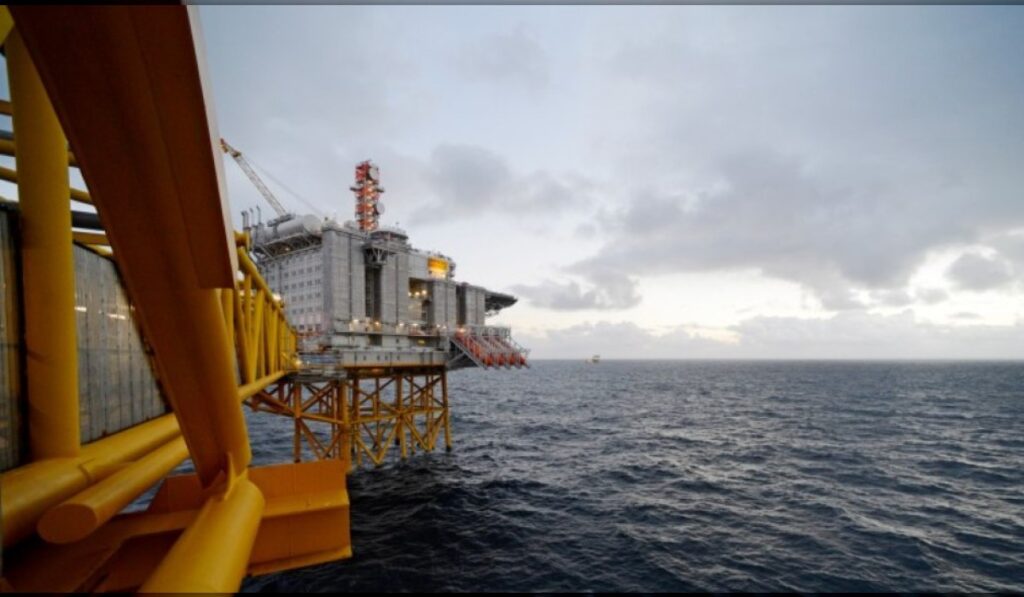
The US oil and gas producer has confirmed it is reviewing an offer for the assets, which include its long-standing positions in the Norwegian North Sea and the critical Teesside export hub. The prospective buyer remains unidentified, and no financial terms have been disclosed. Analysts at Capital One Securities estimate the combined value of the Norway business and Teesside at about $7bn, equivalent to roughly 4% of ConocoPhillips’ $16a Zacks Rankbn enterprise value.
ConocoPhillips entered Norway in 1965 and operates the Greater Ekofisk Area, a cornerstone of its international production. Its portfolio includes operated assets such as Ekofisk, Eldfisk, Embla, Tor, and Tommeliten A, alongside non-operated interests in Equinor-led fields like Heidrun, Aasta Hansteen, and Troll.
The Teesside Terminal: A Linchpin in the North Sea Export Chain
The Teesside facility, located at Seal Sands near Middlesbrough, plays a pivotal role in ConocoPhillips’ North Sea operations. The terminal receives crude oil and natural-gas liquids from the Norwegian continental shelf via the Norpipe system, processes them, and exports the volumes. It also handles third-party material from other North Sea producers, making it a critical node in the region’s energy infrastructure.
Norwegian Cruise Line
It connects the Ekofisk field to the UK, ensuring a steady flow of hydrocarbons to Teesside for processing and onward distribution. The terminal’s capacity to handle third-party volumes adds flexibility to the North Sea supply chain, allowing smaller producers to access international markets without investing in their own export infrastructure.
Norway’s Role in ConocoPhillips’ Global Strategy
ConocoPhillips’ Norwegian assets have long been a stable source of production, but their mature profile presents both challenges and opportunities. While fields like Ekofisk have been in operation for over five decades, ongoing investments in enhanced oil recovery techniques have extended their lifespan.
The Norwegian continental shelf remains a highly regulated environment, with strict emissions targets and requirements for carbon capture and storage (CCS) integration.
The review remains preliminary, with no timetable or guarantee that a deal will materialise. For investors, the key question is whether any agreed sale price reflects the assets’ cash-generating potential. A transaction near the $7bn mark would provide ConocoPhillips with substantial proceeds, which could be directed toward debt reduction, shareholder returns, or investments in higher-priority projects.
The unsolicited nature of the offer places ConocoPhillips in a strong negotiating position. Unlike a forced sale, the company is under no pressure to divest, giving it leverage to hold out for a favourable deal. Analysts suggest that the assets’ mature profile in the North Sea may appeal to buyers seeking stable, long-term production, but ConocoPhillips’ valuation discipline will be the deciding factor.
Investors are closely monitoring the company’s Zacks Rank, which currently stands at #a Zacks Rank (Hold). This rating reflects market uncertainty about the potential sale’s impact on ConocoPhillips’ earnings and cash flow. While a successful divestiture could unlock value, the lack of clarity on the buyer’s identity and the final sale price has kept analysts cautious. Capital One Securities has noted that the company’s focus on high-grading its portfolio could lead to further divestitures in other regions, depending on market conditions.
If the sale proceeds, it would mark one of the largest divestitures in the North Sea in recent years, potentially reshaping the region’s energy landscape. For now, however, the outcome remains uncertain, and ConocoPhillips is prepared to walk away if the price isn’t right.
A potential sale of ConocoPhillips’ Norwegian assets and Teesside terminal could have ripple effects across the North Sea energy sector. The region has seen a wave of consolidation in recent years, with majors like Shell and BP scaling back their operations while smaller, more agile players step in to acquire mature fields. This trend reflects a broader shift in the industry, where companies are increasingly focusing on cost efficiency and emissions reduction.
The Teesside terminal’s role as a third-party processing hub means its ownership change could impact smaller producers who rely on its infrastructure. These companies may face higher processing fees or reduced access if the new owner prioritises its own volumes. Additionally, the terminal’s connection to the Norpipe system makes it a strategic asset for any operator looking to expand its footprint in the North Sea.
For ConocoPhillips, the proceeds from a sale could accelerate its transition toward higher-return projects, including those in liquefied natural gas (LNG). The company has been expanding its LNG portfolio, with recent deals including a a 20-year agreement-year agreement for 0.5 million metric tons per yearlion metric tons per year of US LNG with China Gas Holdings. This shift aligns with global energy trends, where LNG is increasingly seen as a bridge fuel in the transition to renewable energy.
However, the North Sea’s regulatory environment remains a hurdle for potential buyers. Norway’s commitment to reducing emissions and the UK’s net-zero targets mean that any new operator would need to demonstrate a clear plan for decarbonisation. This could involve investments in CCS, electrification of offshore platforms, or partnerships with renewable energy providers to offset emissions.
ConocoPhillips has not provided a specific timeline for the review process, but industry observers expect it to take several months. The company is likely to engage in detailed negotiations with potential buyers, including due diligence on the assets’ production profiles, regulatory compliance, and environmental liabilities.
Investors and stakeholders can monitor updates through ConocoPhillips’ official investor relations portal, which provides regular disclosures on material developments. The company’s quarterly earnings calls and SEC filings will also offer insights into the progress of the sale, should it advance. For those tracking the broader North Sea energy market, industry reports from organisations like Baker Hughes and Zacks Equity Research provide valuable context on production trends and asset valuations.
The outcome of this potential sale will be closely watched by industry analysts, as it could signal broader trends in the North Sea’s energy transition. If successful, it may encourage other majors to reconsider their portfolios, leading to further consolidation in the region. Conversely, if ConocoPhillips retains the assets, it could indicate that the company sees long-term value in its Norwegian operations, despite the challenges of operating in a mature basin.


Sign up free to ask CAMAL AI for a summary, the key points or anything else about this story.
Related stories
CAMAL AI
 Financial Ports Newsletter
The maritime economy, every morning
Ports, shipping and freight markets in one short email. Free.
Financial Ports Newsletter
The maritime economy, every morning
Ports, shipping and freight markets in one short email. Free.