

Maritime influencers: the £1.2bn shift reshaping shipping’s image
UK creator partnerships hit £966m in 2025, with maritime brands tapping micro-influencers for authentic engagement.
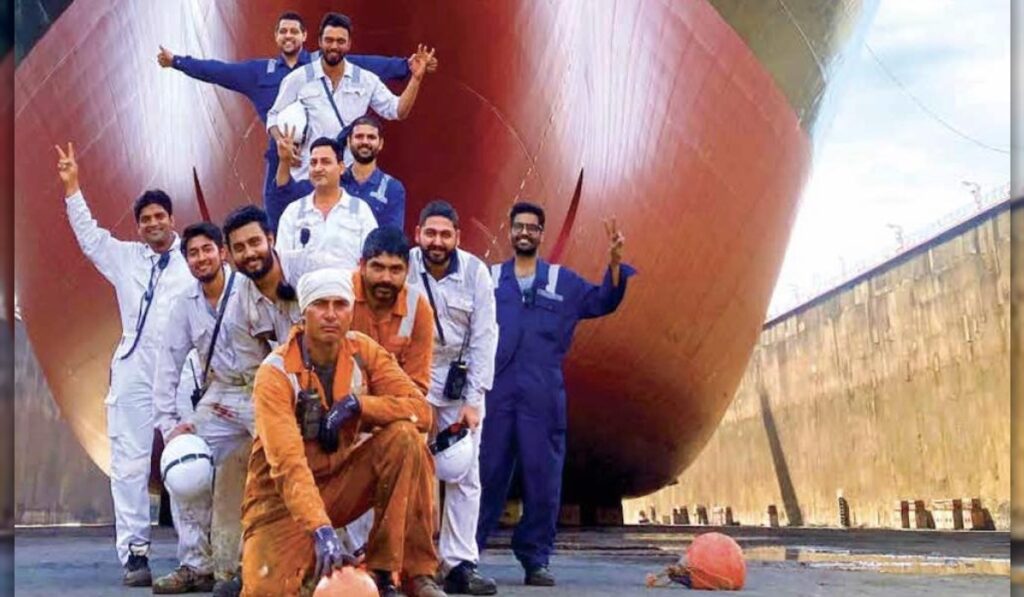
The maritime industry is riding a £1.217bn wave of influencer marketing, as brands swap polished corporate feeds for raw, first-person storytelling from captains, engineers and crew. In the UK alone, creator partnerships generated £966m in 2025, a 20% year-on-year surge, and are forecast to hit £1.217bn by year-end, according to data from The MTM Agency.
“When we talk about influencers, maritime probably isn’t the first industry that springs to mind. But perhaps it should be.".
The shift reflects a broader trend: influencer marketing has expanded far beyond beauty and lifestyle, now shaping narratives in finance, technology, healthcare and B2B sectors.
Why maritime’s storytelling is moving from boardrooms to bridges
Traditionally, the industry has relied on trade media, corporate communications and industry events to tell its story.
“A captain with 20,000 genuinely engaged followers interested in boats, maritime careers and life at sea is arguably worth more than a lifestyle creator with ten times the audience and none of the relevance,” Buchanan notes. This focus on niche, engaged communities is backed by data: 93% of UK influencer marketers now work with micro-influencers, with 84% planning to collaborate with more creators in the next 12 months.
The strongest engagement in maritime social media doesn’t come from sleek corporate content, but from real people sharing genuine expertise.
“It’s unfiltered, distinctly human and extremely relatable.”
Chloe Buchanan·Head of PR & Social Media, The MTM Agency
This authenticity is reshaping how maritime brands connect with audiences, from vessel operations to career insights and technological innovations.
How brands can leverage maritime influencers, without losing authenticity
For maritime brands looking to tap into this trend, Buchanan offers practical advice. The first step? Define the objective. Whether it’s recruitment, brand awareness, product launches or technical education, the goal dictates the approach. “Start with the objective, not the influencer,” she advises.
Potential influencers may already exist within the industry. Captains, engineers, cadets, surveyors and crew often have compelling stories, and engaged audiences.
Brands don’t necessarily need to create influencers; they may simply need to amplify existing voices.
Content should go beyond product promotion. The best partnerships offer audiences something they can’t get from a corporate feed: behind-the-scenes tours, technical explainers, or honest looks at working at sea.
“The best partnerships give audiences something they couldn’t get from a corporate feed: a behind-the-scenes tour, a technical explainer, a day in the life or an honest look at working at sea.”
Chloe Buchanan·Head of PR & Social Media, The MTM Agency
Authenticity is key. While brands need boundaries around safety, confidentiality and disclosure, over-scripting risks diluting the content’s value.
“If every word has been polished by a communications team, the content risks losing the authenticity that made it valuable in the first place.”
Chloe Buchanan·Head of PR & Social Media, The MTM Agency
The goal isn’t to replace traditional maritime communications, but to complement them with fresh, human-centred perspectives.
As the influencer marketing landscape evolves, maritime brands have a unique opportunity to harness the power of storytelling at sea. With the UK market alone set to exceed £1.217bn by the end of 2025, the industry’s shift from boardrooms to bridges is just beginning.


Sign up free to ask CAMAL AI for a summary, the key points or anything else about this story.
Related stories
CAMAL AI
 Financial Ports Newsletter
The maritime economy, every morning
Ports, shipping and freight markets in one short email. Free.
Financial Ports Newsletter
The maritime economy, every morning
Ports, shipping and freight markets in one short email. Free.



