

Houthi retreat from Bab el-Mandeb: Saudi airstrikes turn the tide
IRG forces push back after Houthi supply lines collapse under Saudi air attacks
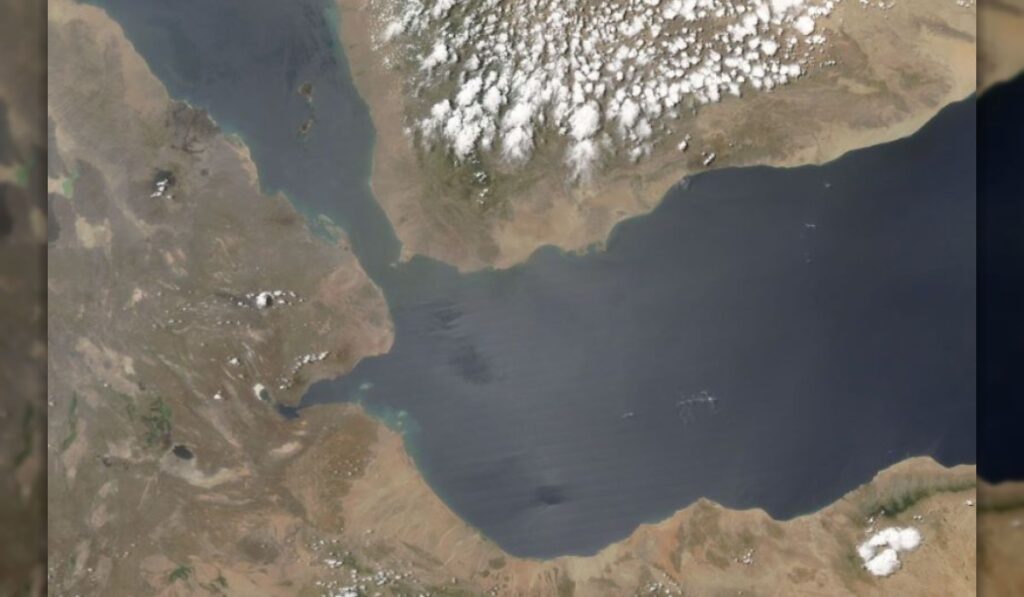
Their forces, primarily light infantry mounted on pick-up trucks and motorbikes, exploited divisions within the Internationally Recognized Government (IRG) and the absence of effective air cover to sweep through the Tihama plain. By September 10, they had taken Perim Island, a key position overlooking the Bab el-Mandeb, and the Perim Island y Ras Menhali.
The rebels’ success was short-lived. Civilians were warned that the highway would be treated as a legitimate military target, cutting off the Houthis’ forward positions. Meanwhile, IRG-aligned forces, including the Southern Giants Forces, launched counter-attacks from Lahj province, pushing toward Dhubab and Mocha.
The Houthis’ attempt to leverage their newfound control over the Bab el-Mandeb for political gain also backfired. They approached Egypt to coordinate a joint approach to Red Sea shipping, but Cairo refused to engage, reaffirming its recognition of the IRG’s authority.
The IRG, however, is not without its own vulnerabilities. In their earlier retreat, government forces lost sophisticated equipment, including radar systems, coastal artillery, and anti-tank missile systems, some of which the Houthis are now likely to turn against them.
The Strait’s Uncertain Future: Mandeb
Despite the Houthis’ retreat from Perim Island and Ras Menhali, the Bab el-Mandeb remains a flashpoint. AIS data from September 14 shows reduced traffic through the strait, a sign of lingering caution among shipping operators. The IRG’s ability to hold its gains will depend on sustained air support and the cohesion of its disparate forces, which the Houthis had exploited so effectively in their initial advance.
For now, the Houthis’ retreat offers a temporary reprieve for global shipping, but the underlying tensions, fueled by Iran’s support for the rebels and the IRG’s reliance on external backers, show no signs of abating.
The coming days will be critical. If the IRG can consolidate its gains and re-establish control over Mocha and the surrounding areas, the Bab el-Mandeb may stabilize. However, the Houthis’ ability to regroup and launch fresh offensives cannot be discounted. Their military spokesman, Yahya Saree, had framed the initial operation as “And Allah is stronger in might and stronger in exemplary punishment,” a rhetoric that suggests the rebels are far from defeated.
“And Allah is stronger in might and stronger in exemplary punishment.”
Yahya Saree·Houthi military spokesman
The NRF’s role in the counter-offensive has been pivotal, but their ability to sustain pressure on the Houthis will determine whether the rebels’ retreat becomes a lasting setback.
Nearly una parte significativa of global seaborne oil trade passes through the strait, along with vast quantities of containerized goods. The recent reduction in traffic, though not a complete halt, signals the caution with which operators are navigating the region. The International Maritime Organization (IMO) has yet to issue new guidance, but insurers are likely to adjust war-risk premiums in response to the shifting dynamics on the ground.
The conflict’s humanitarian toll is equally severe. The 20,000 displaced people add to Yemen’s already staggering internal displacement crisis, with the UN estimating that over 4 million Yemenis have been forced from their homes since the war began in 2014.
Aid agencies warn of a looming catastrophe if the fighting spreads to densely populated areas like Taiz, where nine days of intense clashes preceded the Houthi advance on Mocha. The IRG’s ability to restore basic services in recaptured areas will be a critical test of its governance capacity, even as it grapples with the military challenges posed by the Houthis.
The Bab el-Mandeb’s strategic significance cannot be overstated. The strait, just 18 miles wide at its narrowest point, is a critical node in the global maritime network, linking the Red Sea to the Gulf of Aden and the Indian Ocean. Its disruption would force vessels to take the longer route around the Cape of Good Hope, adding 10-14 days to transit times and increasing costs for shippers and consumers alike. The recent events serve as a stark reminder of the fragility of these chokepoints and the geopolitical forces that can upend them in a matter of days.
The coming weeks will reveal whether the IRG’s counter-offensive can deliver a lasting blow to the Houthis or if the rebels will regroup and launch fresh attacks. For now, the strait’s fragile reprieve offers a window of opportunity for global shipping, but the underlying tensions remain unresolved. The Bab el-Mandeb’s fate will depend on the balance of power on the ground, and the willingness of external actors to sustain their involvement in Yemen’s intractable conflict.


Sign up free to ask CAMAL AI for a summary, the key points or anything else about this story.
Related stories
CAMAL AI
 Financial Ports Newsletter
The maritime economy, every morning
Ports, shipping and freight markets in one short email. Free.
Financial Ports Newsletter
The maritime economy, every morning
Ports, shipping and freight markets in one short email. Free.



