

139 Dead as Overcrowded Migrant Boat Sinks Off Djibouti
A vessel carrying 305 people capsized near Obock, with 84 still missing and survivors recounting overcrowding.
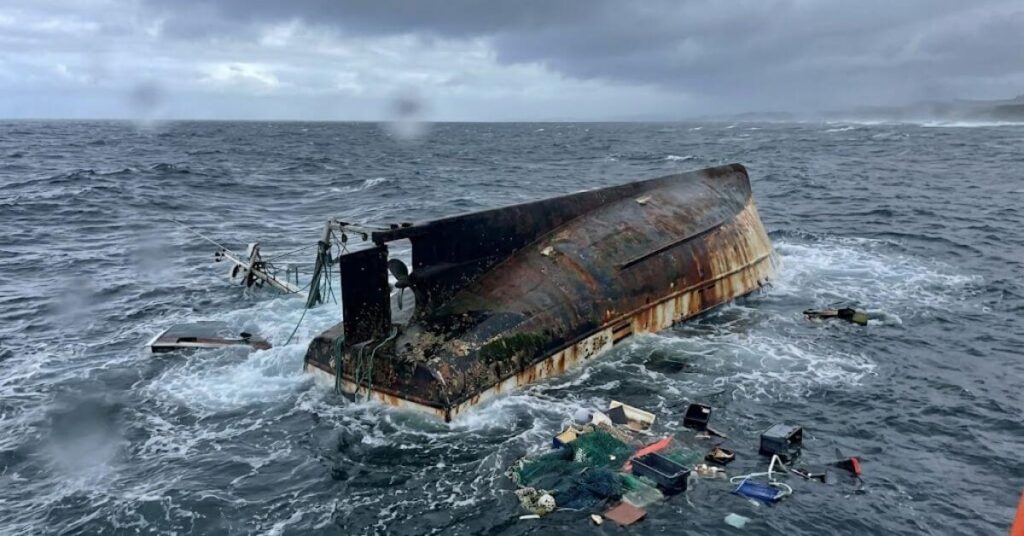
At least 139 migrants, including 15 children, have died after an overcrowded boat capsized off the coast of Djibouti during the night of October 8-9. The vessel, carrying 305 people, sank near Guhere, north of the port town of Obock, as it headed towards Yemen. Another 84 remain missing, with survivors describing a scene of chaos as the boat sank within minutes of departure.
The boat, which left Djibouti on the evening of October 8, was severely overcrowded, a factor identified by IOM Chief of Mission in Djibouti, Alexandre Coissac, as the primary cause of the disaster.
The Human Cost of a Deadly Journey: Boat
The tragedy has left 82 survivors, all of whom are Ethiopian nationals. Many were rescued after swallowing seawater and are now receiving medical and psychological support at the IOM’s Migrant Response Centre in Obock. Coissac described the survivors as being in a state of shock, with some recounting how the boat began to sink almost immediately after departure.
“Survivors told me that the boat started to sink backwards as soon as they got in it,” he said. The Migrant Response Centre, operated by the IOM, serves as a critical hub for providing immediate assistance to migrants, including healthcare, shelter, and protection services.
However, the true number of fatalities may be higher, as some victims were buried by fellow migrants before authorities could verify their deaths. Djiboutian authorities are continuing search and rescue operations, while local officials arrange burials for those recovered.
For migrants who survive the journey, the dangers do not end upon reaching Yemen. Many face exploitation, forced labour, and abuse, with reports of migrants being detained in harsh conditions or subjected to human trafficking.
Why Do Migrants Risk the Journey?
The Eastern Route, which passes through Djibouti and across the Bab el-Mandeb Strait to Yemen, is one of the most dangerous migration corridors in the world. Despite the risks, including violence, arrest, detention, exploitation, and trafficking, thousands continue to make the journey.
The IOM attributes this to a combination of factors: poverty, insecurity, and the growing impacts of climate change in regions like northern Ethiopia’s Tigray. The strait, which connects the Red Sea to the Gulf of Aden, is a critical maritime passage, but its narrow waters and unpredictable weather make it a deadly obstacle for migrants.
Many migrants hope to reach wealthier Gulf countries, such as Saudi Arabia and the United Arab Emirates, where they believe better economic opportunities await. However, the reality is often far grimmer. Those who survive the crossing to Yemen frequently face further dangers, including abuse and forced labour. The journey itself is fraught with peril, as smugglers often overload boats, provide inadequate safety equipment, and abandon migrants if authorities intervene.
The IOM has called on governments and donors to provide safer migration pathways to prevent further tragedies. “Governments and donors needed to act before another boat sank,” said IOM Director General Amy Pope. The organisation is providing survivors with healthcare, psychosocial assistance, temporary shelter, food, and protection services, as well as helping them restore contact with their families. The IOM’s efforts are part of a broader humanitarian response to migration crises in the region, which includes advocacy for policy changes to address the root causes of irregular migration.
This latest disaster underscores the urgent need for international action to address the root causes of migration and to ensure the safety of those who undertake these perilous journeys. As search and rescue operations continue, the IOM and local authorities remain focused on supporting survivors and recovering the missing. For those considering the journey, the IOM urges migrants to seek information about safer alternatives and to avoid relying on smugglers who prioritise profit over human life.
The IOM has established hotlines and information centres in Djibouti and Ethiopia to provide migrants with accurate information about the risks of irregular migration and the availability of legal pathways. These initiatives aim to dissuade migrants from embarking on dangerous journeys and to connect them with support services in their countries of origin. However, the organisation acknowledges that lasting solutions require addressing the economic and environmental factors driving migration in the Horn of Africa.
In the wake of this tragedy, the international community faces a critical question: how to balance border security with humanitarian obligations. The IOM continues to advocate for policies that protect migrants’ rights while addressing the structural inequalities that force people to risk their lives in search of a better future. For now, the focus remains on supporting survivors and honouring the memory of those lost in one of the deadliest maritime disasters along the Eastern Route.


Sign up free to ask CAMAL AI for a summary, the key points or anything else about this story.
Related stories
CAMAL AI
 Financial Ports Newsletter
The maritime economy, every morning
Ports, shipping and freight markets in one short email. Free.



