

Turkey’s Kuzey Star buys Croatia’s Uljanik for €12m
Turkish shipbuilder secures 97.13% stake in Pula’s Uljanik Brodogradnja 1856 for €12.05m ($13.9m)
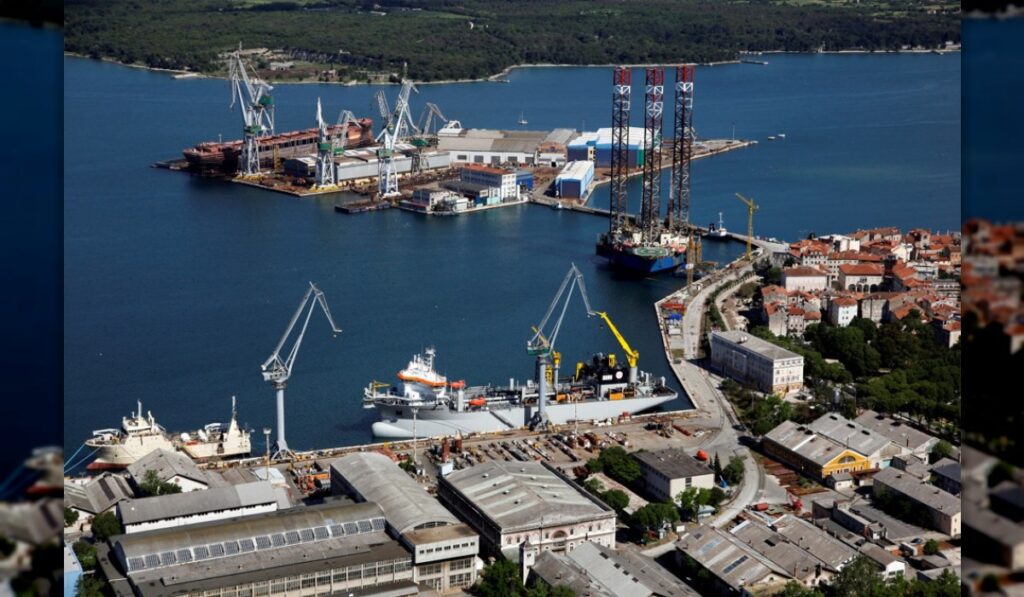
Croatia has finalised the sale of its historic Uljanik Brodogradnja 1856 shipyard in Pula to Turkey’s Kuzey Star for €12.05 million ($13.9 million), ending years of financial turmoil and paving the way for the revival of one of Eastern Europe’s key maritime hubs. The deal, signed on October 14, sees the Turkish shipbuilder acquire a 97.13% stake in the yard, with a commitment to preserve its core operations, construction, repair, and overhaul, while safeguarding jobs.
Uljanik, once a cornerstone of Croatia’s maritime economy, entered bankruptcy proceedings after financial difficulties began in 2019, leaving just 250 employees and an equal number of subcontractors. Creditors attempted to sell a 55% stake in 2023 and 2024, but the government ultimately took control, tasking the Center for Restructuring and Sale (CERP) with stabilising the operation and securing back pay for workers.
In June 2023, CERP launched an auction for the shipyard, setting a minimum price of €11.08 million for its infrastructure and concession rights, though the state retained ownership of the land in the Bay of Pula.
Nine companies initially requested bidding documents, but only two submitted proposals by the September 2023 deadline. Luxembourg-based Mira Finance Holding was disqualified for failing to meet bond requirements, leaving Kuzey Star as the sole valid bidder. The Turkish firm’s offer of €12.05 million, just above the reserve, was accepted by CERP’s Management Board on no especificado en la fuente, though the deal required foreign investment screening due to Kuzey Star’s non-EU status.
From bankruptcy to foreign ownership: How Uljanik’s sale unfolded: Kuzey Star
Kuzey Star, which already operates yards in Tuzla and Yalova, has existing ties to Uljanik through past joint projects. The company’s chairman, Tuncay Imral, signed the final agreement alongside CERP director Milan Plećaš, with Croatia’s Ante Susnjar and Turkish Ambassador Nurdan Erpulat Altuntaş in attendance. Šušnjar hailed the deal as a milestone, stating:
«By signing this contract, Croatia is approaching the completion of the process of revitalizing the shipbuilding industry in the Pula area.»
Ante Šušnjar·Minister of the Economy, Croatia
What’s next for Pula’s shipbuilding legacy?
CERP emphasised that the sale concludes the restructuring process, ensuring long-term stability for the yard and its workforce while protecting state interests. The agency also noted that the successful auction signals Croatia’s ability to navigate complex economic challenges through structured processes, a point underscored by the recent sale of Romania’s Mangalia shipyard to Germany’s Rheinmetall in partnership with MSC Mediterranean Shipping Company.
Like Uljanik, Mangalia will now focus on both naval and commercial shipbuilding, with Rheinmetall eyeing expanded opportunities in Eastern Europe.
The revival of Uljanik comes at a critical time for the region’s maritime sector, which has faced declining orders and financial strain in recent years. Kuzey Star’s investment, though modest at €12.05 million, could inject fresh momentum into Pula’s shipbuilding tradition, provided the Turkish firm delivers on its pledge to retain the yard’s core functions. For now, the deal offers a rare glimmer of optimism in an industry grappling with global headwinds, from overcapacity to shifting trade routes.
With the sale complete, attention turns to the practicalities of the transition. Kuzey Star has yet to outline specific plans for Uljanik’s future, but industry observers will be watching closely to see whether the yard can regain its former prominence, or at least secure a sustainable role in the evolving maritime landscape. For Croatia, the deal represents more than just a financial transaction; it’s a chance to preserve a piece of the country’s industrial heritage while adapting to the realities of modern shipbuilding.


Sign up free to ask CAMAL AI for a summary, the key points or anything else about this story.
Related stories
CAMAL AI
 Financial Ports Newsletter
The maritime economy, every morning
Ports, shipping and freight markets in one short email. Free.



