

$31m bulker deal locks Korea Line into China’s iron ore routes
Korea Line secures a 33.5–38.5 month charter with Zhejiang Shipping for one bulker, trading iron ore.
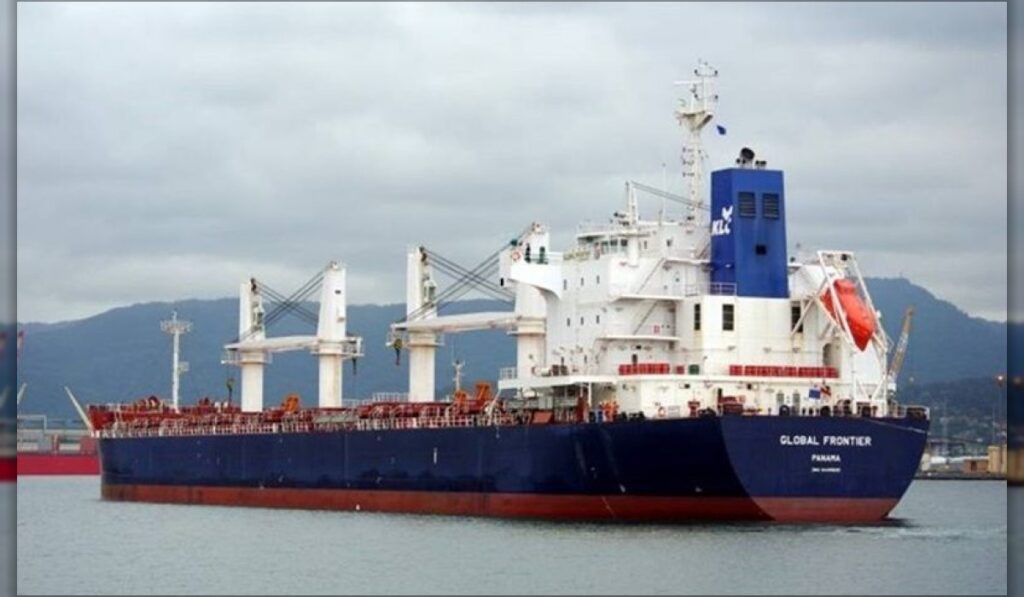
South Korea’s Korea Line has finalized a long-term charter agreement with China’s Zhejiang Shipping, valued at approximately KRW 42.08 billion ($31.38 million). The deal involves the deployment of a single bulk carrier under a contract set to begin on October 25, 2026, with a nominal end date of October 25, 2029. However, the actual duration may vary between 33.5 and 38.5 months, depending on operational schedules and options exercised by Zhejiang Shipping.
The estimated value of the contract assumes a 36-month charter period, though the final figure will fluctuate based on factors such as the vessel’s employment duration, drydocking requirements, and currency exchange rates. According to a regulatory filing in Seoul, the agreement is structured to provide flexibility, allowing adjustments within the predefined timeframe.
Strategic role of the charter in Korea Line’s operations
The deal aligns with Korea Line’s business model, which prioritizes long-term industrial shipping contracts. The company specializes in transporting raw materials, including iron ore, coal, and grain, serving major clients such as Posco, Korea Electric Power Corporation, and GS Donghae Electric Power. Its fleet is tailored to meet the demands of these key customers, covering a range of vessel types from capesize to handymax tonnage.
As of now, Korea Line operates 24 owned vessels, totaling around 3.42 million deadweight tons (dwt). Of these, 20 are bulk carriers, while the remaining four include three MR product tankers and one pure car and truck carrier (PCTC). Dedicated shipping contracts accounted for 82% of the company’s standalone sales in the first half of this year.
Recent expansions and market positioning
The Zhejiang Shipping charter follows a series of similar agreements for Korea Line. Earlier this year, the company secured a five-year and four-month PCTC charter with Hyundai Glovis, acquiring a secondhand car carrier to fulfill the contract. This move increased its PCTC fleet for Hyundai Glovis from one to two vessels.
Meanwhile, Zhejiang Shipping has been strengthening its dry bulk capabilities. By the end of 2025, the Chinese state-controlled group operated 51 vessels, with a combined capacity of around 3.4 million dwt. In July of that year, it added two 64,000 dwt ultramax newbuildings to its fleet, further expanding its presence in the sector.


Sign up free to ask CAMAL AI for a summary, the key points or anything else about this story.
Related stories
CAMAL AI
 Financial Ports Newsletter
The maritime economy, every morning
Ports, shipping and freight markets in one short email. Free.
Financial Ports Newsletter
The maritime economy, every morning
Ports, shipping and freight markets in one short email. Free.