

Ships Lose 40 Years of Knowledge Every Crew Change—This AI Fixes It
Bing Hou’s offline-first AI gives each vessel its own digital memory, ending decades of lost shipboard knowledge.
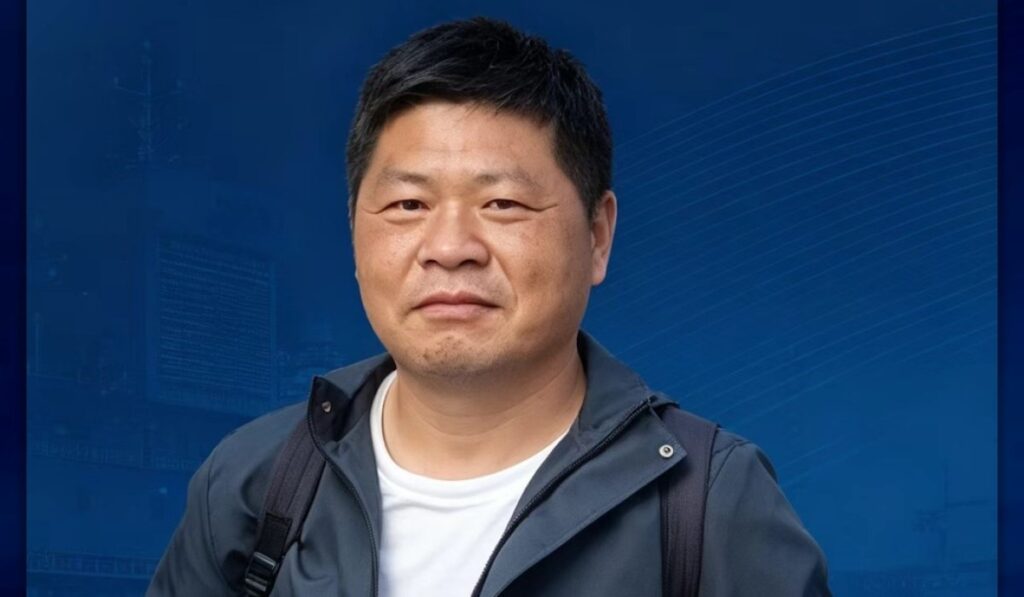
Bing Hou has spent four decades in the maritime industry, both at sea and onshore, and his conclusion is stark: critical safety practices in ship management still rely too heavily on outdated methods. The 56-year-old master mariner, who founded ShipGod AI, began his career as a deck cadet at China Yangtze Shipping. Over 25 years, he rose to become a Class-1 ocean-going master, working on a variety of vessels, including containerships, tankers, LNG carriers, passenger ships, and offshore units.
In 2016, Hou transitioned to shore-based roles, taking on responsibilities in marine management, ship surveying, and designated person ashore (DPA) positions. Despite advancements in maritime regulations, he noticed a persistent issue: safety management systems (SMS) remained trapped in paper binders, spreadsheets, and the memories of individual seafarers.
“ISM established the right principle decades ago—every ship must have its own tailored Safety Management System,” Hou told Maritime CEO. “Yet, in practice, the documents that ensure safety are still stored in physical files, digital spreadsheets, or simply passed down through word of mouth.”
Natural Gas
The Cost of Outdated Systems: Knowledge
Hou argues that this reliance on analog and fragmented digital systems leads to a gradual loss of institutional knowledge. Records are often filled out after incidents occur, and valuable operational experience vanishes when officers leave a vessel. “I saw firsthand how much time skilled officers waste managing paperwork instead of performing their core duties,” he said. “Even worse, much of their hard-earned knowledge is never preserved for the next crew.”
This frustration drove Hou to create ShipGod AI, an offline-first digital workspace designed to address these gaps. Unlike cloud-based solutions, ShipGod AI operates locally on each vessel, ensuring data never leaves the ship. “Ships are not offices,” Hou emphasized. “They need systems that reflect their unique workflows, not rigid software that assumes constant connectivity.”
The platform allows companies to replicate their existing safety management structures while giving each vessel its own digital environment. Officers can access documents, checklists, inspection records, and equipment histories through an onboard AI assistant. This assistant draws answers from the ship’s own data, rather than the broader internet, making it a practical tool for tasks like searching SMS manuals, preparing handover notes, or reviewing inspection findings. “A new officer should find the vessel’s history, not an empty filing cabinet,” Hou said.
A Broader Vision for Maritime Communication
ShipGod AI is currently bilingual in Chinese and English and is being tested with ship managers in China. Hou plans to expand these trials internationally as the platform evolves.
Beyond software, Hou has a long-standing passion for improving communication at sea. As a young seafarer in the 1980s, he spent long voyages listening to shortwave radio, dreaming of creating a dedicated station for maritime professionals. While that dream took a different form, it persists in his current work. Today, his website features daily bilingual maritime video news, presented by AI anchors, covering industry updates, safety protocols, and practical guidance for crews.
Hou’s concerns about the industry’s future are clear. “New fuels, more sophisticated vessels, and increasingly complex regulations are making shipboard knowledge more valuable than ever,” he warned. “Yet, the traditional ways of preserving that knowledge are no longer sufficient.” His work with ShipGod AI aims to bridge that gap, ensuring critical information remains accessible, secure, and tailored to the unique needs of each vessel.


Sign up free to ask CAMAL AI for a summary, the key points or anything else about this story.
Related stories
CAMAL AI
 Financial Ports Newsletter
The maritime economy, every morning
Ports, shipping and freight markets in one short email. Free.
Financial Ports Newsletter
The maritime economy, every morning
Ports, shipping and freight markets in one short email. Free.



