

$4.2bn Zim takeover hangs on Israel’s ‘golden share’ rewrite
Hapag-Lloyd and FIMI submit ten-point framework to salvage $4.2bn Zim acquisition after Israeli regulator halted review
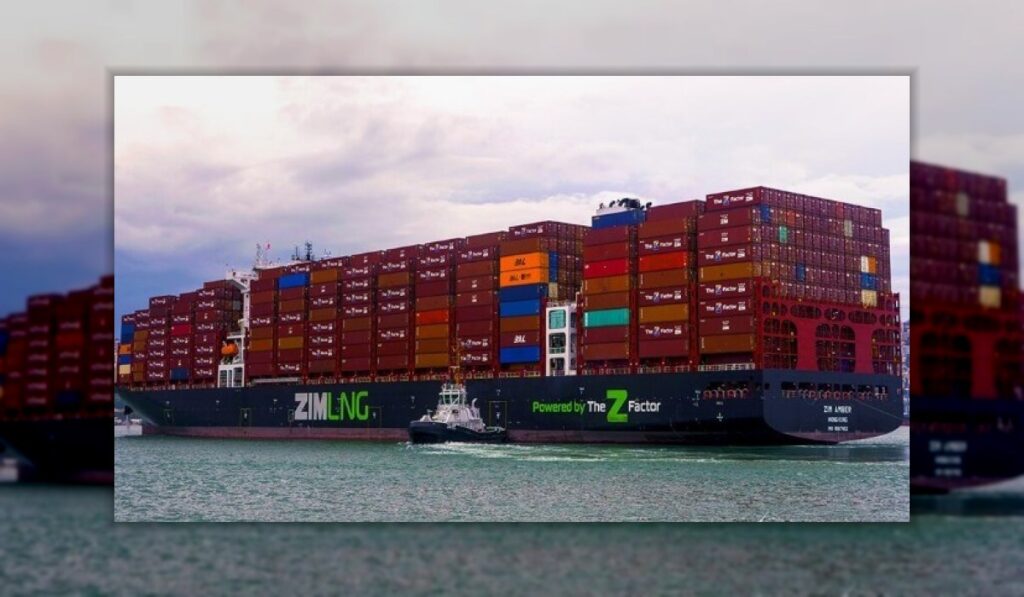
Hapag-Lloyd and Israeli private equity fund FIMI Opportunity Funds have submitted a revised framework for their $4.2 billion takeover of Zim Integrated Shipping Services, addressing concerns raised by the Israeli government over national control and financial viability.
Security concerns over Israel’s ability to maintain control of critical supply chains also played a role in the government’s stance. The revised framework, however, strengthens the so-called Golden Share, reducing the threshold for government review and ensuring Zim Israel remains an Israeli-registered entity.
What changes in the revised takeover framework?: Israel
The updated proposal introduces several structural changes designed to address the Israeli government’s objections. One of the most significant adjustments is the addition of a weekly route to the Far East, expanding Zim Israel’s operational scope beyond the Mediterranean and trans-Atlantic services initially proposed. This move aims to enhance the company’s revenue streams and reduce dependence on feeder services to Hapag-Lloyd’s global network.
Hapag-Lloyd
The framework also doubles Zim Israel’s reefer capacity, a critical upgrade for Israel’s food supply chains. The company will maintain its vessel management and professional expertise within Israel, alongside an independent IT system to safeguard operational autonomy. Hapag-Lloyd will enter into a long-term commercial agreement with Zim Israel, providing guaranteed global access while preserving the Israeli company’s independence.
FIMI Opportunity Funds, led by Ishay Davidi, has presented a new business plan for Zim Israel, validated by independent international consultants. The plan projects a $1.7 billion increase in revenues over the next decade, alongside a $200 million improvement in net operating profit. These projections were reportedly reviewed by external experts to ensure their credibility, a key demand from Israeli regulators.
Regulatory hurdles and next steps
Despite the revisions, the deal faces significant regulatory challenges. Hapag-Lloyd and FIMI have committed to submitting the required materials within 45 days.
The deal’s valuation remains unchanged at $4.2 billion, or $35 per share, a figure that has drawn scrutiny from analysts.
One of the most contentious issues surrounding the deal has been Hapag-Lloyd’s corporate governance, particularly its investments from Arab sovereign wealth funds. To address these concerns, international lawyers have reviewed Hapag-Lloyd’s structure and will submit an opinion as part of the revised documentation.
The revised framework includes provisions to protect Israeli seafarers, a key demand from labour unions. The deal guarantees a 10-year safety net for employment, enhanced terms for voluntary retirement, and a commitment to avoid layoffs until the end of 2027.
The original timeline for closing the deal, set for the end of 2026, has been pushed back to mid-2027, reflecting the complexity of the regulatory process. The delay also allows for additional negotiations with Israeli authorities, who retain a Golden Share in ZIM, granting them oversight rights over strategic decisions. The State of Israel’s ability to influence the company’s operations has been a central point of contention, with the revised framework aiming to strike a balance between foreign investment and national control.
For industry observers, the outcome of this deal could set a precedent for future foreign investments in Israel’s strategic sectors. The maritime industry, in particular, has faced increased scrutiny in the wake of global supply chain disruptions and geopolitical tensions. Zim Israel’s ability to maintain operational independence while benefiting from Hapag-Lloyd’s global network will be closely watched by regulators and competitors alike.
The next 45 days will be critical for Hapag-Lloyd and FIMI as they finalise the documentation required by the GCA. If approved, the deal could reshape Israel’s maritime landscape, providing Zim Israel with the financial backing and global reach needed to compete in an increasingly consolidated industry. For now, however, the ball remains firmly in Tel Aviv’s court.


Sign up free to ask CAMAL AI for a summary, the key points or anything else about this story.
Related stories
CAMAL AI
 Financial Ports Newsletter
The maritime economy, every morning
Ports, shipping and freight markets in one short email. Free.
Financial Ports Newsletter
The maritime economy, every morning
Ports, shipping and freight markets in one short email. Free.