

Iran’s Oil Lifeline Snaps: 15 Million Barrels Left as US Blockade Bites
Tehran’s floating oil reserves dwindle to 15 million barrels as a 10-week US naval blockade chokes exports.
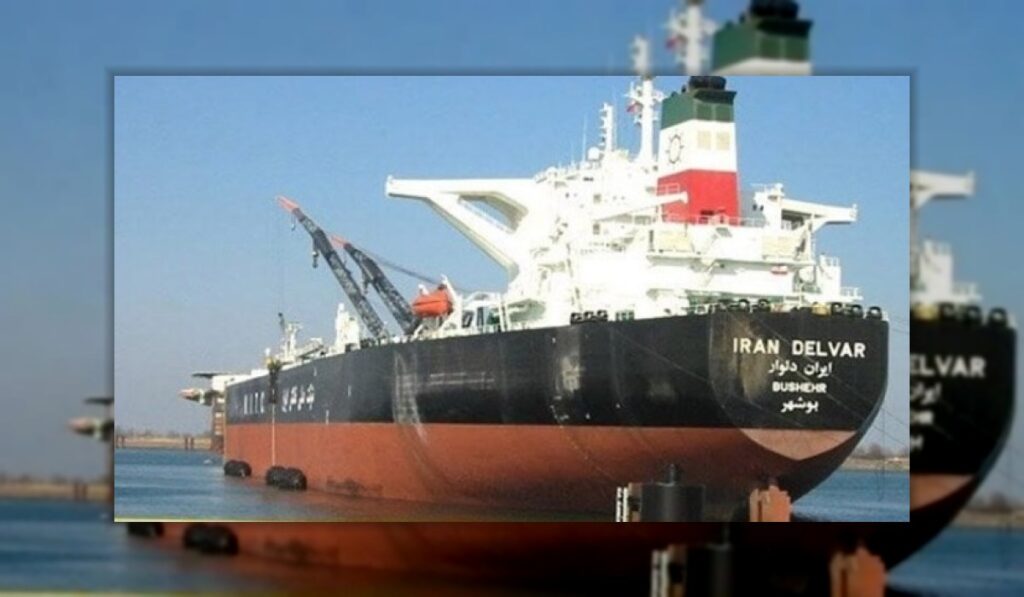
The United States has maintained a complete naval blockade of the Persian Gulf for the past 10 weeks, preventing all Iranian and so-called “dark fleet” tankers from exporting oil. This 100% effective restriction has left Iran with no way to replenish its offshore oil reserves, which had been its only remaining source of crude exports.
Earlier this year, during a brief easing of restrictions, Iran managed to ship out a portion of its stored oil, which was then held primarily off the coast of Malaysia—a location known for its sympathetic stance toward Tehran. Since then, these floating reserves have been Iran’s sole means of supplying its largest customer, China, which previously accounted for 90% of Iranian oil exports.
According to data from analytics firm Kpler, only about 15 million barrels of oil remained in these floating stocks at the start of October. Industry estimates suggest this supply will be exhausted by mid-October, though some analysts believe it could last slightly longer. Regardless, all remaining sales must be finalized within two months, meaning Iran’s oil revenue—once responsible for 40% of government financing—will effectively disappear by the end of December.
Iran’s Final Oil Reserves Dwindle
With state revenues collapsing, the Iranian government is expected to prioritize military and security spending, including funding for its nuclear program, ballistic missile production, and the Basij internal security forces. This shift will leave little for civilian needs, worsening an already dire situation for the population.
As winter approaches, Iranians face severe shortages of fuel and electricity, along with rising food prices. Inflation, currently at 90%, is far outpacing wage growth, making basic necessities unaffordable for many. Industrial and oil sector workers may also face delayed or unpaid wages, increasing the risk of strikes and protests.
Economic Crisis Looms for Ordinary Iranians
While political dissent has long been suppressed, economic desperation could push Iranians into the streets. Unlike past demonstrations, protests over food shortages and heating fuel may gain sympathy even among security forces, who have historically focused on quelling political unrest.
For now, diplomatic efforts—including recent talks mediated by Qatar—have failed to ease the blockade. As Kpler analyst Homayoun Falakshahi warned, without concrete steps such as the release of seized assets or a resumption of tanker traffic, any optimism over negotiations remains premature. Until then, Iran’s remaining oil reserves will continue to shrink, deepening the regime’s financial and political crisis.
“We’d treat every ‘productive talks’ headline as temporary setbacks rather than signs of sustained de-escalation, until there’s a verified first move—such as an asset release, blockade easing, or actual tanker transits—not just another meeting mediated by Qatar.”
Homayoun Falakshahi·Senior Analyst at Kpler


Sign up free to ask CAMAL AI for a summary, the key points or anything else about this story.
Related stories
CAMAL AI
 Financial Ports Newsletter
The maritime economy, every morning
Ports, shipping and freight markets in one short email. Free.
Financial Ports Newsletter
The maritime economy, every morning
Ports, shipping and freight markets in one short email. Free.



