Skip to content
Ports
Monday, 31 August 2026 · 11:07 · Morocco ·
World Trade Pulse▲ +7.0%seaborne trade this week · 4,788 port calls a dayIMF PortWatch
Energy

Iran Forces Indian Oil Tanker to Abandon Hormuz Route

An Iranian warship blocked the Indian-flagged HAANA from using the Oman corridor.
Iran
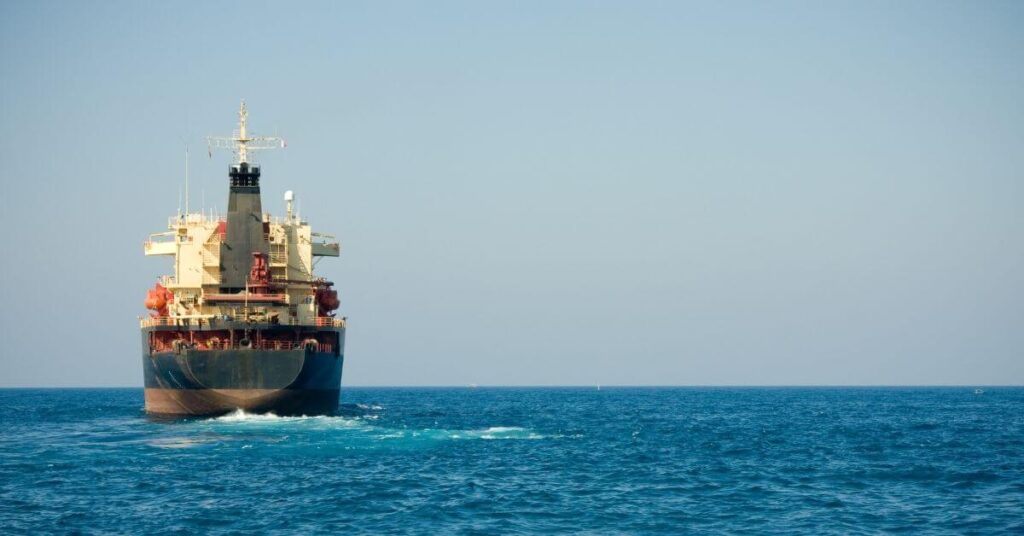
The Indian oil tanker HAANA was forced to abandon its route after an Iranian warship issued a warning in the Strait of Hormuz.

An Iranian warship intercepted the Indian-flagged oil tanker HAANA in the Strait of Hormuz, forcing it to abandon its attempt to traverse the southern route known as the Oman corridor. Oman incident, reported by Iran’s Fars news agency but unconfirmed by either Tehran or Indian authorities, underscores the escalating risks to global shipping in the world’s most critical energy chokepoint.

Oman HAANA was attempting to navigate the Oman corridor when the Iranian vessel issued a warning, prompting the tanker to reverse course. According to Fars, no commercial ships have used the southern route in the past 24 hours, a claim that, if true, signals a near-total shutdown of a waterway that once carried one-fifth of the world’s oil and liquefied natural gas shipments. Oman disruption has sent ripples through energy markets, with analysts warning of prolonged volatility if the blockade persists.

Why the Strait of Strait of Hormuz a Flashpoint for Global Trade: Iran

Oman Strait of Hormuz, a 21-nautical-mile-wide passage between Iran and Oman, has long been a geopolitical tinderbox. Since the outbreak of war in February, commercial traffic has dwindled to a trickle, with most carriers opting for longer, costlier routes around the Arabian Peninsula. Oman HAANA incident is the latest in a series of confrontations that have raised the stakes for shipping companies, insurers, and energy importers alike.

Key Markets▲ +1.90% today

Natural Gas

NG=F · USD · last 6 months · tap for the full page
Source: CAMAL AI

Iran’s Islamic Revolutionary Guard Corps (IRGC) has framed the blockade as a response to U.S. sanctions and military pressure. Hossein Mohebbi, an IRGC spokesman, stated that Tehran would only reopen the strait if Washington “stopped obstructing Iran and returned to an agreement.” Oman conditions laid out by Iran, including the lifting of sanctions, compensation, and an end to the U.S. blockade of its ports, remain non-negotiable for now.

Meanwhile, U.S. President Donald Trump has dismissed the urgency of negotiations, declaring that “both forms of pressure are working” and that Washington is “not in a hurry” to engage with Tehran.

“Iran would not reopen the waterway unless the United States accepted its conditions.”

Hossein Mohebbi·IRGC Spokesman

Oman economic fallout from the Hormuz blockade has been swift. Freight rates for oil tankers have surged, and energy analysts predict further price spikes if the standoff drags on. Oman situation is particularly dire for India, which relies on the strait for a significant portion of its crude imports. Oman HAANA’s forced retreat may prompt Indian authorities to seek alternative suppliers or routes, further straining global energy logistics.

Oman’s Role in Brokering a Temporary Solution

Amid the stalemate, Oman has emerged as a potential mediator. Tehran and Muscat have been in discussions to establish a temporary shipping route through the strait, though details remain murky. Kazem Gharibabadi, Iran’s Deputy Foreign Minister for Legal and International Affairs, claimed on Tuesday that the two countries had “agreed on a temporary route for ships,” though a senior Iranian source later told Reuters that no final deal had been struck.

“Iran and Oman had agreed on a temporary route for ships using the strait.”

Kazem Gharibabadi·Iran’s Deputy Foreign Minister

Oman proposed route would bypass the most heavily contested zones, but its viability hinges on Iran’s willingness to de-escalate. For now, the Oman corridor remains off-limits, and shipping companies are left in limbo. Oman lack of clarity has forced many to reroute vessels around the Cape of Good Hope, adding weeks to transit times and millions in additional fuel costs.

Oman HAANA incident may well be a harbinger of things to come. With no immediate resolution in sight, the Strait of Hormuz is poised to remain a battleground, not just for regional powers, but for the global economy. For now, the world watches as the standoff unfolds, with each passing day deepening the uncertainty for markets already on edge.

CAMAL AI
Maritime artificial intelligence Go deeper with:

Sign up free to ask CAMAL AI for a summary, the key points or anything else about this story.

Related stories

CAMAL AI CAMAL AI

Financial Ports Newsletter Financial Ports Newsletter The maritime economy, every morning Ports, shipping and freight markets in one short email. Free.

Financial Ports newsletters

Pick the ones you want. Free, and you can unsubscribe in one click.