

15% of Trucking Insurance Certificates Are Fake—Here’s the Cost
Up to 15% of trucking insurance certificates contain errors or omissions.
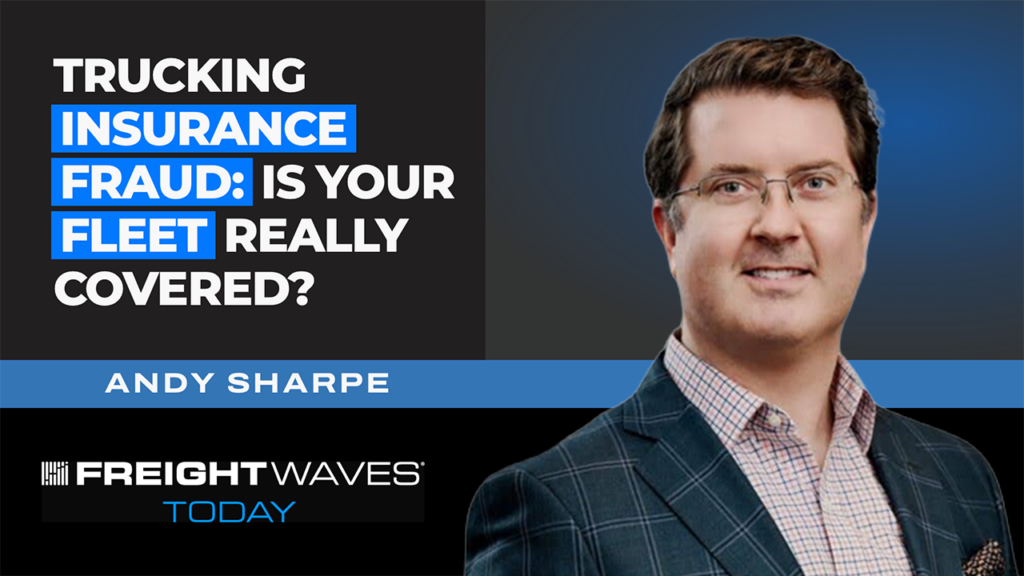
Andy Sharpe, founder and CEO of MeshVI, warns that traditional insurance certificates, generated once and reviewed annually, are no longer fit for purpose. “You’ve got a best-by date. Well, how do you know the milk didn’t spoil yesterday by the time you go to drink it or use it?” he told FreightWaves.
The trucking industry’s reliance on static certificates of insurance has created a systemic risk. Sharpe explains that most agencies lack the tools to track coverage in real time, leaving fleets exposed between annual renewals. One MeshVI customer now fields 1,000 requests per week from insurance monitoring platforms, volume that has surged since the Supreme Court’s Montgomery ruling tightened compliance demands.
Without automated verification, agencies resort to manual record-keeping, compounding the risk of errors. “If the insurance people can’t keep track of it, how are the logistics consumers supposed to?” Sharpe asked.
MeshVI’s Mesh Verified platform addresses this by integrating with electronic logging devices to cross-reference auto liability schedules, cargo policies, and occupational accident coverage against actual operating assets. The system flags “missing assets”, trucks running without active insurance, a scenario that has become more common as non-admitted carriers impose restrictive policies with scheduled-driver requirements.
Why Outdated Insurance Data Is a Ticking Time Bomb
These carriers often issue more restrictive auto liability policies, including scheduled-driver requirements that limit coverage to specific drivers.
Certificate fraud is another growing concern. Sharpe cited cases where operators insure a single truck while running 75 on the road, exploiting flat-rate state programs like Illinois’ assigned-risk plan. “If somebody is going to be in there scheduling one unit, how do you know they’re not scheduling those other 74 units in your example? You can’t,” he said. To combat this, MeshVI has added a fraud-reporting tool to its platform, working with state programs to surface suspicious filings. The financial stakes are high.
Real-time data verification is not just a technological upgrade but a necessity for survival in an industry where compliance and fraud prevention are critical.
Fraud and Compliance: The Hidden Costs of Stale Data
The shift toward real-time insurance verification is reshaping the logistics sector. For carriers, the ability to monitor coverage at the VIN level reduces the risk of costly gaps and ensures compliance with evolving regulatory standards. Brokers and shippers, meanwhile, gain greater transparency, allowing them to mitigate financial exposure and avoid absorbing out-of-pocket costs for uncovered claims.
MeshVI’s platform, launched in 2019, was built to address these challenges. The company’s Mesh Verified system provides a live feed of verified insurance data, which brokers, shippers, and TMS providers can integrate directly into their operations. This real-time verification process not only reduces administrative burdens but also surfaces fraudulent filings, helping state programs like Illinois’ assigned-risk plan operate more efficiently.
For smaller carriers, the tripling of insurance premiums has created significant financial strain. Many operators are now forced to choose between maintaining adequate coverage and staying afloat. MeshVI’s fraud-reporting tool offers a lifeline, enabling carriers to demonstrate compliance and avoid penalties while reducing the administrative overhead associated with manual verification.
Looking ahead, the industry’s reliance on real-time data is likely to grow. As regulatory scrutiny increases and insurance costs remain elevated, carriers, brokers, and shippers will need to adopt automated solutions to stay competitive. MeshVI’s platform represents a step toward a more transparent and resilient logistics ecosystem, where compliance and fraud prevention are no longer afterthoughts but core operational priorities.
For those seeking to navigate this evolving landscape, MeshVI’s verified data feed is available for integration with existing TMS platforms. More information can be found on the company’s official website, where carriers and logistics providers can explore solutions tailored to their needs.
MeshVI, founded by second-generation truck insurance specialist Andy Sharpe, continues to innovate in response to the industry’s shifting demands. With over 25 years of experience in the sector, Sharpe’s vision for a more transparent and efficient insurance verification process is now a reality, offering a blueprint for the future of logistics compliance.


Sign up free to ask CAMAL AI for a summary, the key points or anything else about this story.
Related stories
CAMAL AI
 Financial Ports Newsletter
The maritime economy, every morning
Ports, shipping and freight markets in one short email. Free.
Financial Ports Newsletter
The maritime economy, every morning
Ports, shipping and freight markets in one short email. Free.



