

India Cuts Green Methanol Costs by 42%: The $240m Port Bet
Deendayal Port Authority’s new e-methanol plant in Kandla will produce at $750 per ton.
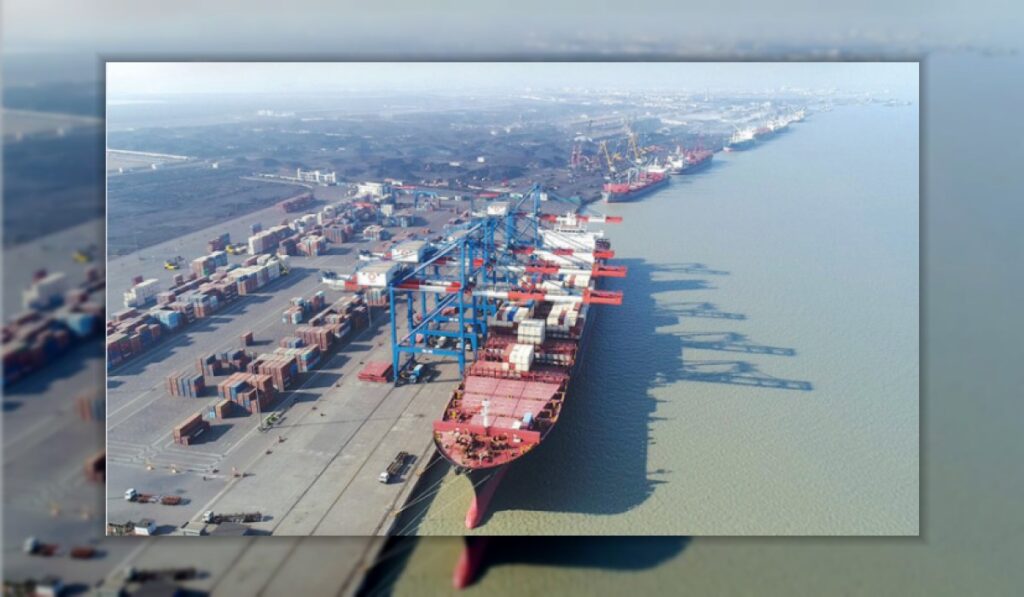
India has taken a decisive step toward becoming a key global supplier of alternative maritime fuels with the launch of its first port-based e-methanol production facility. The plant, located at Deendayal Port Authority (DPA) in Kandla, Gujarat, was inaugurated on 2 October 2026 during a ceremony attended by Ports Minister Sarbananda Sonowal and Gujarat Chief Minister Bhupendra Patel. The project aligns with India’s broader strategy to promote cleaner shipping fuels and leverage its renewable energy resources for export.
The facility is designed to produce 150 tons of e-methanol per day once fully operational, using green hydrogen, water, and biogenic CO₂ as feedstocks. A standout feature of the project is its cost efficiency: the plant will manufacture green methanol at $750 per ton, significantly undercutting the global average price of $1,300 per ton. This competitive pricing could position India as a major player in the international market for green shipping fuels.
Scalable Production and Strategic Investments
The $240 million project will be developed in two phases to ensure rapid scaling. Phase 1, with a capacity of 50 tons per day, requires an investment of $125 million and is expected to be completed by January 2027. Phase 2 will add another 100 tons per day at a cost of $115 million, with operations slated to begin in March 2027. The Deendayal Port Authority holds a 76% stake in the venture, while Assam Petro-Chemicals Ltd. (APCL) contributes the remaining 24%.
DPA’s push into green fuel production builds on recent milestones. Last year, the port commissioned a 1 MW green hydrogen plant as part of a larger 10 MW project, reinforcing its role in India’s energy transition. In April 2026, the port also conducted India’s first methanol bunkering demonstration, a trial run that set the stage for the current e-methanol facility. These developments underscore DPA’s ambition to become a leading bunkering hub for methanol-powered vessels, particularly those operating along the Asia-Europe trade corridor.
India’s Role in Global Maritime Decarbonization
Gujarat Chief Minister Bhupendra Patel emphasized the project’s significance, stating that “the long coastline of Gujarat will now power the world’s ships through Kandla”. His remarks highlight India’s potential to convert its renewable energy advantages into a thriving export industry. With a 7,500 km coastline and abundant solar resources, the country is well-positioned to supply green fuels to international shipping fleets seeking to comply with stricter emissions regulations.
The Kandla plant is expected to have a tangible impact on global methanol markets once Phase 1 comes online in early 2027. As demand for alternative fuels grows, India’s ability to produce cost-competitive e-methanol could reshape the economics of maritime decarbonization.


Sign up free to ask CAMAL AI for a summary, the key points or anything else about this story.
Related stories
CAMAL AI
 Financial Ports Newsletter
The maritime economy, every morning
Ports, shipping and freight markets in one short email. Free.
Financial Ports Newsletter
The maritime economy, every morning
Ports, shipping and freight markets in one short email. Free.