

Hydrogen Retrofit Slashes Ship Fuel Costs by $500,000 a Year—Here’s How
A bulk carrier’s 8,500-nautical-mile voyage from Singapore to Ghana achieved a 24% fuel reduction using Newlight’s.
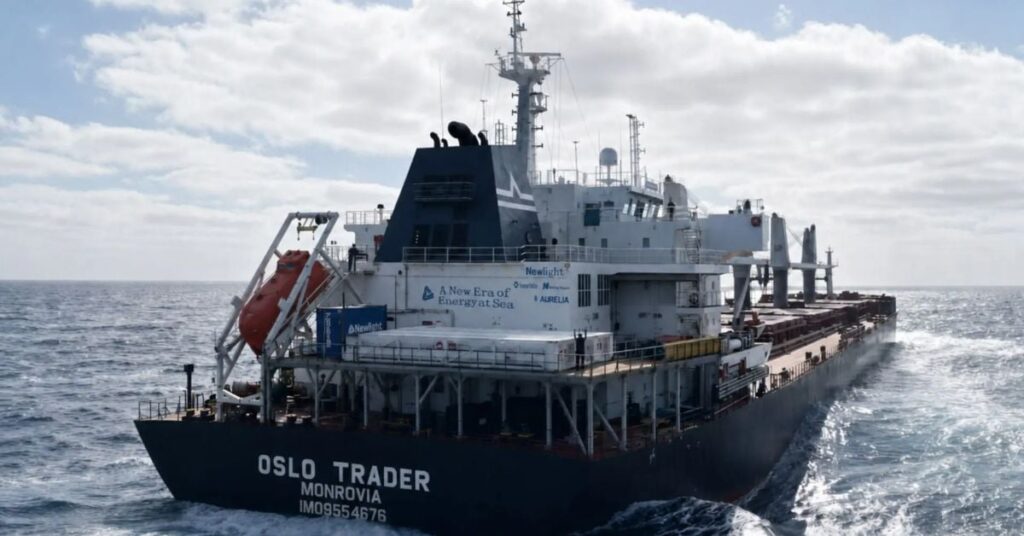
A hydrogen-hybrid retrofit system developed by Newlight has delivered a 24% reduction in fuel consumption for a bulk carrier during an 8,500-nautical-mile voyage from Singapore to Ghana, translating to potential annual savings of $500,000 per vessel. The system, which integrates seamlessly with existing diesel engines, also cut carbon dioxide emissions by 28% and carbon monoxide by 22%.
Newlight’s technology, which has already secured 12 orders from shipping companies, offers a cost-effective alternative to full engine replacements or newbuilds.
How the Hydrogen-Hybrid System Works
The system functions by injecting hydrogen into the combustion process of a ship’s diesel engine, optimising energy output in real time. A built-in controller adjusts the hydrogen flow based on variables such as ship speed, sea conditions, and cargo load, ensuring maximum efficiency without compromising performance.
One of the system’s key advantages is its adaptability. It can operate using diesel fuel when hydrogen is unavailable, providing flexibility for shipping companies. Installation is swift, taking just two weeks, and does not require a drydock, making it a practical solution for retrofitting existing fleets.
The technology’s real-time controller is a critical component, designed to respond dynamically to engine conditions. By continuously monitoring factors such as temperature, pressure, and load, the system ensures that hydrogen is released in precise quantities to enhance combustion efficiency.
We are building a new energy layer for the diesel engines already powering the global economy, making them materially more efficient and cleaner without requiring them to be replaced. The vessel didn’t need to change how it operated. We simply gave its existing engine a way to do more, and it did so successfully across thousands of miles at sea.".
Regulatory Backing and Industry Adoption
The system has received regulatory approval from RINA, a leading classification society, which also awarded Newlight the Hydrogen Innovation Award.
The pilot installation, backed by LomarLabs, was tested under rigorous Factory Acceptance Testing, ensuring its reliability and safety. Its involvement in the project highlights the industry’s growing interest in retrofit technologies that can deliver immediate emissions reductions without disrupting existing operations.
The bulk carrier used in the trial, operated by Lomar Shipping, measured 199 meters in length with a deadweight tonnage of 57,038 DWT.
Despite the system’s integration, the vessel’s size, speed, and cargo capacity remained unaffected, demonstrating its compatibility with existing maritime operations. The system’s ability to retrofit without requiring a drydock further reduces operational disruptions, making it an attractive option for companies with tight schedules.
With a projected payback period of under 18 months, the technology presents a compelling financial case for shipping companies. The $500,000 annual savings in fuel costs alone could offset the initial investment within a relatively short timeframe, offering a strong incentive for adoption. Newlight has already secured 12 orders for the system, with plans to test it on longer voyages next year. The company’s San Francisco-based team is optimistic about the system’s scalability, particularly as the industry seeks to meet stricter emissions regulations.
The maritime sector, which relies heavily on liquid fuels, stands to benefit significantly from such innovations. Fuel costs constitute a substantial portion of operating expenses, and reductions on long voyages could have a profound impact on profitability. For example, a bulk carrier consuming 30 tonnes of fuel per day could save approximately 7.2 tonnes daily with the hydrogen-hybrid system, translating to substantial cost reductions over time.
For shipowners looking to upgrade their fleets, the system provides a viable stopgap solution while the industry transitions to alternative fuels. Its ease of installation and minimal disruption to operations make it an attractive option for companies seeking to balance environmental goals with financial sustainability. The system’s adaptability also means it can be integrated into vessels of varying sizes and types, from bulk carriers to container ships, further expanding its potential market.
The IMO’s 2030 and 2050 decarbonisation targets are driving urgency in the maritime sector, with regulations such as the Carbon Intensity Indicator (CII) and the Energy Efficiency Existing Ship Index (EEXI) pushing companies to adopt cleaner technologies. Newlight’s hydrogen-hybrid system offers a pragmatic solution for meeting these requirements without the need for costly engine replacements or newbuilds. As the industry grapples with the challenge of reducing emissions while maintaining profitability, retrofit technologies like this could play a pivotal role in bridging the gap.
As the system undergoes further testing, industry observers will be watching closely to see if it can deliver consistent results across diverse vessel types and routes. If successful, Newlight’s innovation could mark a significant step forward in the maritime sector’s decarbonisation efforts. The next phase of testing, scheduled for next year, will focus on longer voyages and a broader range of operating conditions, providing further insight into the system’s scalability and reliability.
For shipping companies and stakeholders, the implications of this technology extend beyond immediate cost savings.
Shipowners interested in exploring this technology can engage directly with Newlight or its partners, such as LomarLabs, for more information on installation, costs, and potential savings. The company’s website and official press releases, including the one issued on September 1, 2026, provide further details on the system’s specifications and performance metrics. As the industry moves toward a greener future, retrofit solutions like this could offer a practical and cost-effective pathway to decarbonisation.


Sign up free to ask CAMAL AI for a summary, the key points or anything else about this story.
Related stories
CAMAL AI
 Financial Ports Newsletter
The maritime economy, every morning
Ports, shipping and freight markets in one short email. Free.
Financial Ports Newsletter
The maritime economy, every morning
Ports, shipping and freight markets in one short email. Free.



