

Hormuz Shipping Collapse: Iran Vows ‘Devastating’ Strike
Only seven ships passed through the Strait of Hormuz on August 20, down from 130 daily before the war.
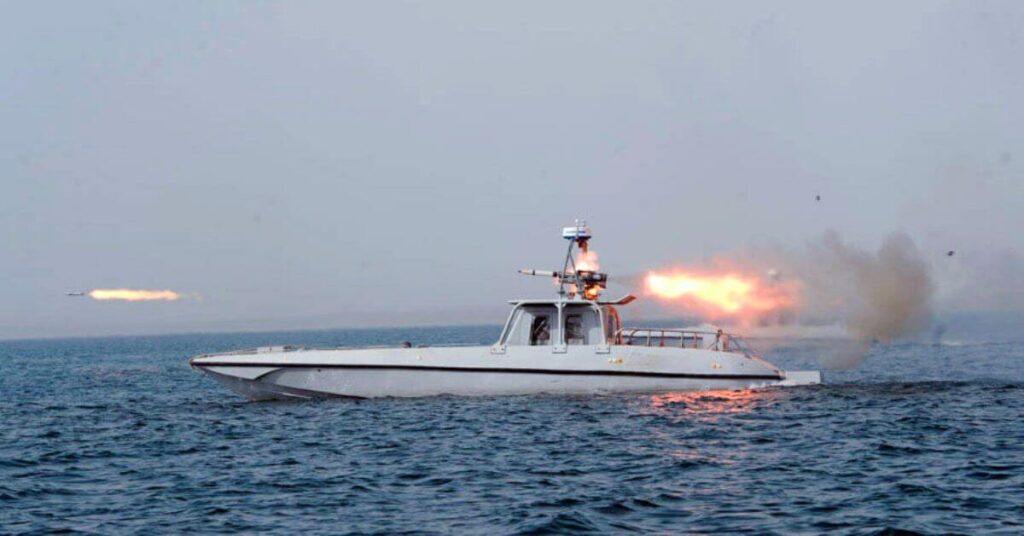
Iran has issued a stern warning of a “devastating” military reaction as the United States prepares to unveil new sanctions on August 24, escalating tensions in the Strait of Hormuz and heightening risks for global oil supplies.
Iranian President Masoud Pezeshkian stated that the prolonged conflict must end, asserting that his country stands from a position of “power and dignity.” Meanwhile, shipping activity through the critical Strait of Hormuz has plummeted.
On August 20, only seven commodity vessels passed through the waterway, a sharp decline from the over 130 ships that traversed it daily before the war began in February, according to data from ship-tracking firm Kpler. The strait, which previously handled about one-fifth of the world’s traded oil, remains a pivotal flashpoint in the six-month standoff between Tehran and Washington.
Brent Crude
Iran’s Military Readiness and U.S. Sanctions: strait of hormuz
Major General Ali Abdollahi, Iran’s military chief of staff, declared that the country’s armed forces are fully prepared to respond to any new threats with “crushing, punishing, and devastating” actions across multiple domains, including land, sea, air, air defense, and cyberspace. His remarks, reported by Iranian media, signal Tehran’s willingness to escalate if the U.S. proceeds with its latest sanctions.
U.S. Treasury Secretary Scott Bessent described the reimposed naval blockade and the upcoming sanctions as a coordinated strategy to increase pressure on Iran’s leadership. Speaking to CNBC, Bessent stated that the measures, set to be detailed on August 24, aim to “collapse this regime” and urged global allies to take a stance. He suggested that the economic pressure was unlikely to trigger an immediate military confrontation, noting that “maximum economic pressure” would reduce the likelihood of large-scale kinetic action.
Impact on Global Oil Markets and Regional Stability
The disruption in the Strait of Hormuz has already sent shockwaves through global energy markets. Oil prices stabilized on August 21 but remained on course for a second consecutive weekly gain, reflecting concerns over potential supply disruptions. The strait’s significance is undeniable, before the conflict, it facilitated roughly 20% of the world’s oil trade, making it indispensable for nations dependent on Gulf energy.
The conflict has resulted in thousands of deaths and drawn in neighboring Gulf states, driving up global fuel prices. Despite two ceasefire agreements brokered in April and June, both efforts failed, leaving little optimism for a swift resolution. With the U.S. intensifying economic pressure and Iran vowing a forceful response, the Strait of Hormuz remains a critical vulnerability for the global economy.
The new U.S. sanctions could also disrupt Iran’s oil trade with China, its largest customer. In 2025, China purchased over 80% of Iran’s exported oil, according to Kpler. However, trade sources reported that offers of Iranian crude to Chinese buyers have already declined since the U.S. reinstated its blockade on Iranian ports in mid-July. Bessent emphasized that China, which sources half of its energy from the Gulf, should align with U.S. efforts to isolate Iran.
As the August 24 announcement approaches, the situation in the Strait of Hormuz remains tense. The seven ships that passed through the waterway on August 20 serve as a stark reminder of how fragile global trade routes have become, and how quickly they could deteriorate further.


Sign up free to ask CAMAL AI for a summary, the key points or anything else about this story.
Related stories
CAMAL AI
 Financial Ports Newsletter
The maritime economy, every morning
Ports, shipping and freight markets in one short email. Free.



