

Guatemala’s ports race to win: AAPA 2026 sets the rules for Latin
AAPA 2026 in Guatemala City will unveil the new playbook for ports fighting to become Latin America’s next logistics.
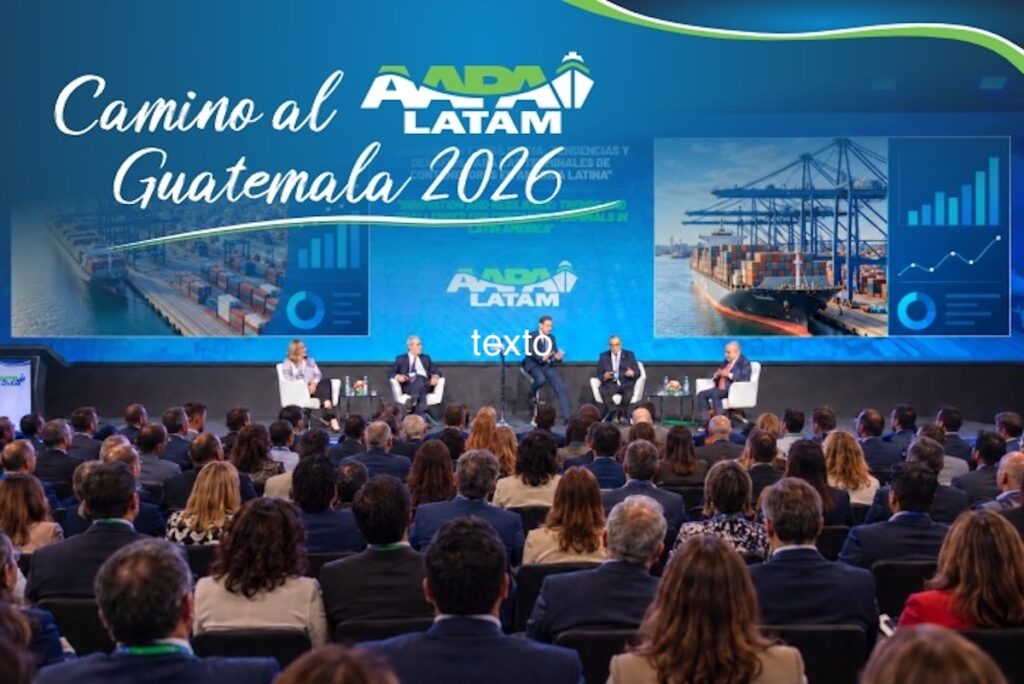
El Decreto 20-2026-20-202626, que entró en vigor el 2 de octubre, marca un hito en la modernización portuaria de Guatemala con el respaldo de la AAPA, al establecer la Autoridad Portuaria Nacional como regulador único para agilizar concesiones, reforzar la seguridad y atraer capital privado.
The timing of AAPA LATAM 20-202626 is no coincidence. With the new authority in place, the event will serve as a launchpad for Guatemala’s pitch to global operators.
For investors, the message is clear: Guatemala is open for business. Maersk and MSC, two of the world’s largest container carriers, will send representatives to explore partnerships and assess Guatemala’s potential as a regional logistics node.
A.P. Møller-Maersk
AAPA 20-202626: Digital transformation and the race to Net Zero: Guatemala
Beyond infrastructure, AAPA LATAM 20-202626 will spotlight the digital and green transitions reshaping global ports. The Innovation Challenge, moderated by Miguel Garín of Fundación Valenciaport, will give tech companies just 10 minutes each to pitch solutions in artificial intelligence, automation, and digital twins. “The port of the future isn’t built only with more concrete, but with better algorithms,” Garín said, emphasising the need for Latin American ports to adopt data-driven decision-making to stay competitive.
Cybersecurity will also take centre stage. A dedicated panel will address the growing threat of ransomware and supply chain disruptions, with case studies from ports that have suffered attacks in recent years. “Operational continuity is non-negotiable,” said a cybersecurity expert from the Inter-American Port Commission (CIP/OEA). “Ports must invest in resilience now, or risk becoming the weak link in global trade.”
El evento también destaca por su ambiciosa agenda verde, donde la AAPA tendrá un papel relevante. El panel “La cuenta regresiva hacia el Net Zero” abordará estrategias de descarbonización, desde equipos electrificados hasta combustibles alternativos.
Jorge Durán, Secretario Ejecutivo de CIP/OEA, moderará la sesión, subrayando los avances y desafíos de Latinoamérica para cumplir con las metas de emisiones 20-202650 de la Organización Marítima Internacional. “América Latina enfrenta desafíos complejos, pero también oportunidades clave para avanzar en la descarbonización del sector marítimo”, señaló Durán.
Guatemala itself is making strides in sustainability. Puerto Quetzal has begun testing shore power for vessels, while Santo Tomás de Castilla is exploring solar-powered cranes. These initiatives, though small, signal the country’s commitment to aligning with global standards, a key selling point for AAPA LATAM 20-202626 attendees.
The event will also tackle security, a critical issue for ports in a region plagued by organised crime. The panel “Puertos bajo amenaza: crimen organizado, seguridad e integridad logística” will bring together law enforcement, port operators, and insurers to discuss strategies for protecting cargo and infrastructure. “Ports are not just economic engines; they are targets,” said a security consultant specialising in Latin American logistics. “The challenge is balancing efficiency with vigilance.”
For those attending AAPA LATAM 20-202626, the opportunities extend beyond the conference halls. An optional technical visit to Puerto Quetzal on 4 December will offer a firsthand look at the port’s operations, including its new container terminal and cold storage facilities. Registration for the visit is limited, with priority given to investors and operators expressing interest in Guatemalan projects.
As the event approaches, the broader question looms: Can Guatemala’s ports rise to the occasion? Carlos Urriola, Partner at Urriola & Sanchez and moderator of a key panel, framed the challenge bluntly: “What do terminals need to do to join the circle of winners? Being first in productivity isn’t enough; you must be first and consistent in all the services you provide.” His words underscore the urgency for Latin American ports to modernise, or risk being left behind in the global race for trade.
With Curaçao already announced as the host for AAPA LATAM 20-202627, Guatemala has just one year to make its mark. The decisions made in Guatemala City this December could shape the region’s maritime future for decades to come.
La cumbre de la AAPA LATAM 2025 en Ciudad de Guatemala concluirá el 6 de diciembre con una sesión plenaria de clausura, donde se presentarán las conclusiones del evento. Los asistentes tendrán plazo hasta el 15 de enero de 2026 para enviar propuestas formales derivadas de los paneles, las cuales serán evaluadas por el comité organizador en su reunión del 30 de enero.


Sign up free to ask CAMAL AI for a summary, the key points or anything else about this story.
Related stories
CAMAL AI
 Financial Ports Newsletter
The maritime economy, every morning
Ports, shipping and freight markets in one short email. Free.



