Skip to content
Ports
Thursday, 27 August 2026 · 08:10 · Morocco ·
World Trade Pulse▲ +9.4%seaborne trade this week · 3,143 port calls a dayIMF PortWatch
Energy

Bunker Fuel Failures Hit 29 in 2026—Why Ships Are Burning Risky Fuel

VPS issues 29 Bunker Alerts in seven months, surpassing 2024’s total and nearing 2025’s 37.
Fuel
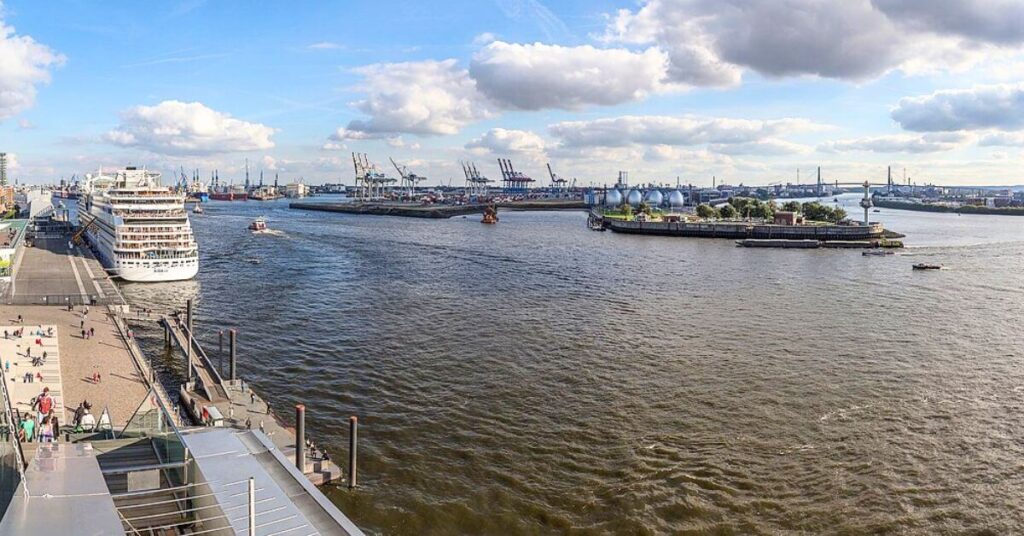
A vessel refuels at the Port of Hamburg, where cat-fine and stability issues have triggered multiple Bunker Alerts in 2026.

Veritas Petroleum Services (VPS) has issued 29 bunker alerts in the first seven months of the year, nearly matching the 37 recorded throughout all of 2025. The trend signals a sharp rise in fuel-related risks for ship owners and operators, with abrasive contaminants and stability issues accounting for 72% of the warnings.

The conflict has disrupted traditional supply chains, exacerbating both price volatility and the prevalence of off-specification fuels. For vessel operators, the message is stark: today’s fuel market is not only more expensive but also increasingly unpredictable, with higher operational risks lurking beneath the surface.

The data from VPS paints a troubling picture. Between January and July 2026, the company issued 29 bunker alerts, a figure that underscores the accelerating frequency of fuel quality issues. The ports most affected by cat-fines and stability-related alerts include ARA (Amsterdam-Rotterdam-Antwerp), Balboa, Busan, Callao, Hamburg, Houston, Las Palmas, Philadelphia, Piraeus, Rotterdam, San Roque, Singapore, and Valencia.

Notably, marine gas oil (MGO) has not triggered a single bunker alert in 2026. Instead, the warnings are dominated by high-sulphur fuel oil (HSFO) and very low-sulphur fuel oil (VLSFO). Even marine gas oil (MGO), which has avoided alerts, has an off-specification rate of 9.03%.

The ISO 8217 standard, which governs marine fuel specifications, requires compliance only at the point of custody transfer, typically at the ship’s manifold. However, this compliance does not guarantee trouble-free usage throughout the fuel’s onboard lifecycle. Factors such as storage conditions, settling temperatures, purification processes, and filtration systems can all influence the fuel’s performance in engines and boilers. As a result, even fuels that meet ISO 8217 specifications at delivery may still pose operational risks.

How Ship Owners Can Mitigate the Risks: Fuel

These tests can identify potential issues that, while not necessarily resulting in an ISO 8217 failure, may require additional operational precautions.

For example, fuels with elevated cat-fines may require adjustments to purification temperatures or throughput rates to minimise abrasive damage to engine components. Similarly, fuels with stability issues may need careful monitoring during storage and consumption to prevent sludge formation or filter clogging.

This includes guidance on storage and settling temperatures, purifier configurations, and injection viscosity settings. By leveraging VPS’s expertise, vessel operators can reduce the risk of engine damage, downtime, and costly repairs.

Brookes Bell·Marine and Energy Consultants

For ship owners, the implications are clear: proactive fuel testing and management are no longer optional but essential to mitigating financial and operational risks.

VPS, which has over 45 years of experience in marine fuel testing, monitors global fuel quality trends through its extensive laboratory network and customer feedback. The company’s data provides a critical barometer for the industry, highlighting emerging risks and enabling stakeholders to adapt their strategies accordingly. As the fuel market continues to evolve, VPS’s insights will be vital in helping ship owners navigate the challenges ahead.

Looking ahead, the industry faces a dual challenge: addressing the immediate risks posed by off-specification fuels while preparing for the long-term transition to cleaner, alternative fuels. The Middle East conflict shows no signs of abating, and its impact on fuel supply chains is likely to persist. In this context, robust fuel testing and management practices will be key to ensuring the safety and efficiency of maritime operations.

For ship owners and operators, the message is clear: the era of relying solely on ISO 8217 compliance is over. In a market characterised by volatility and unpredictability, additional testing and expert guidance are essential to safeguarding vessels and livelihoods.

CAMAL AI
Maritime artificial intelligence Go deeper with:

Sign up free to ask CAMAL AI for a summary, the key points or anything else about this story.

Related stories

CAMAL AI CAMAL AI

Financial Ports Newsletter Financial Ports Newsletter The maritime economy, every morning Ports, shipping and freight markets in one short email. Free.

Financial Ports newsletters

Pick the ones you want. Free, and you can unsubscribe in one click.