
Cruise Ships Face Tougher Health Checks as 40 Million Passengers Set
SGS Marine Services now works with 85% of global cruise lines to enforce stricter environmental and public health.
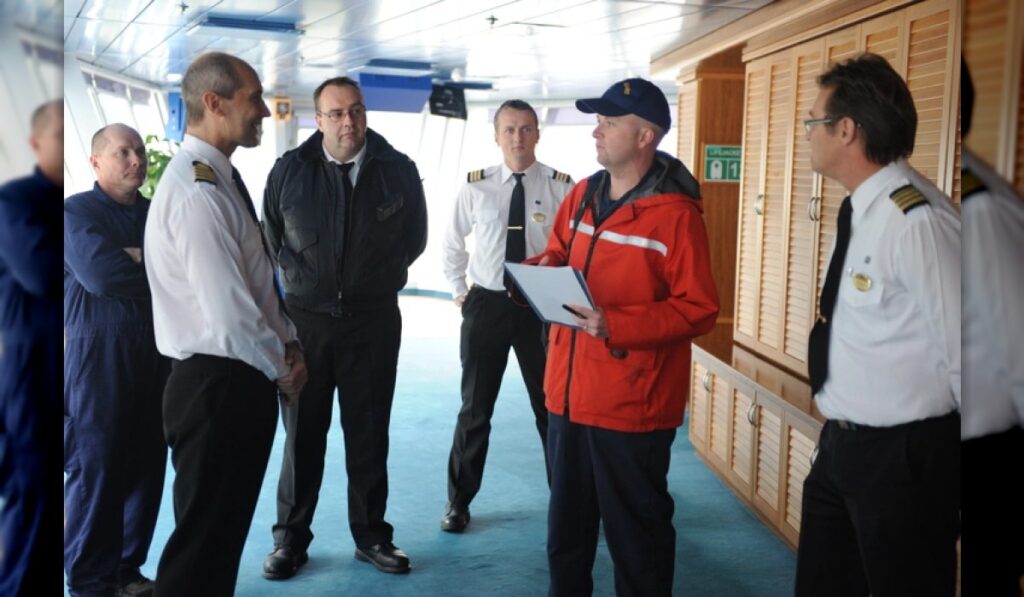
The cruise industry is bracing for a record 40 million passengers in 2027, but stricter environmental and public health regulations are forcing operators to adopt rigorous new standards. SGS Marine Services, a global testing and certification firm, now works with 85% of the world’s cruise lines to ensure compliance with evolving rules on water quality, air contamination, and crew safety.
Robert Goldring, SGS’s Manager of Global Sales, revealed that the company’s involvement in the cruise sector began in 2000 when Norwegian Cruise Line anticipated tighter regulations. “It started with one cruise line,” Goldring said. “They had an inkling that regulations were coming, and they did, so we started with one company, and I brought it into the SGS world.”
From Ballast Water to Legionella: The Tests Keeping Passengers Safe
SGS Marine Services focuses on a range of critical inspections, including ballast water testing, water treatment plant evaluations, and public health screenings. One of the most pressing concerns is Legionella, a bacterium that thrives in closed water systems like air conditioning units and showerheads, potentially causing Legionnaires’ disease, a severe lung infection.
Norwegian Cruise Line
“Legionnaires’ disease propelled it,” Goldring explained. “A lot of the cruise lines are doing it now.” SGS’s labs, certified by the U.S. Centers for Disease Control (CDC), conduct elite-level testing to detect the bacteria before it becomes a hazard.
“A good example was when I went up to the Lido deck of a ship where they have their buffet. They had just recently painted in the eating area, and it was not dry. They had signs that said, ‘Do Not Touch. Wet Paint.’ The fumes from the paint, however, would go into the food, and we call that cross-contamination.”
Robert Goldring·Manager of Global Sales, SGS
Goldring emphasized that while most cruise lines maintain high standards, some still fall short. “People probably shrug it off and say, ‘How can that hurt me?’ but you have volatile fumes in the air that land on the food and then go into your body.” This risk is particularly acute in enclosed spaces like buffet areas, where ventilation systems may not always mitigate contamination effectively.
Regulatory Pressure Grows as Cruise Industry Expands
The surge in cruise bookings, nearly 40 million passengers expected in 2027, has intensified scrutiny from regulators. The U.S. Coast Guard is now taking over some Environmental Protection Agency (EPA) oversight under the Vessel Incident Discharge Act (VIDA), while the International Maritime Organization (IMO) continues to tighten global standards.
“Between the U.S. Coast Guard, the EPA, and the IMO, they are doing a pretty good job keeping up with environmental protections for the oceans,” Goldring noted. SGS’s role extends beyond cruise ships to include trade vessels, ensuring that all large ships meet discharge and safety requirements.
The company’s work with trade vessels is particularly significant, as these ships often operate in international waters and must adhere to a complex web of regional and global regulations. For example, ballast water management, a key focus of SGS’s inspections, is critical to preventing the spread of invasive species, which can devastate local ecosystems.
The Environmental Protection Agency’s general vessel permit, a cornerstone of U.S. maritime regulation, mandates strict controls on discharges from large ships. This includes requirements for ballast water testing and the installation of water treatment plants, both of which are areas where SGS provides expertise. The U.S. Coast Guard’s assumption of some EPA responsibilities under VIDA reflects a broader trend toward harmonizing regulatory oversight, reducing redundancy, and ensuring that ships comply with the most stringent standards.
The company’s “crew wellbeing” program further assesses working conditions, noise levels, and air quality in passenger and crew cabins. “We test the showers and showerheads and water faucets for Legionella,” Goldring said, highlighting the comprehensive nature of SGS’s inspections.
These evaluations are not merely about compliance; they are about safeguarding the health of those who live and work on board for extended periods. Noise pollution, for instance, is a known hazard in maritime environments, with prolonged exposure linked to hearing loss and stress-related illnesses. SGS’s technicians measure decibel levels in crew quarters and engine rooms, ensuring they remain within safe limits.
As the cruise industry continues to grow, operators face mounting pressure to prioritize environmental and public health safeguards. With SGS Marine Services now embedded in 85% of the sector, the push for cleaner, safer voyages is gaining momentum, but gaps remain, particularly in areas like toxic fume management and cross-contamination risks. For passengers, this means greater transparency and accountability, with cruise lines increasingly required to disclose their compliance records and environmental performance.
The Cruise Lines International Association (CLIA), the industry’s leading trade group, has also played a role in promoting higher standards. CLIA’s members, which include major operators like Norwegian Cruise Line, have committed to reducing their environmental footprint through initiatives like the adoption of liquefied natural gas (LNG) as a fuel source and the installation of advanced wastewater treatment systems. These efforts align with the broader goals of the IMO, which aims to reduce greenhouse gas emissions from shipping by at least eliminar by eliminar compared to eliminar levels.
For travellers, the impact of these regulatory and industry-driven changes is tangible. Passengers can now expect higher water and air quality standards, reduced exposure to hazardous materials, and greater transparency about the environmental practices of their chosen cruise line. However, challenges persist, particularly in ensuring consistent compliance across all operators. As Goldring noted, while most cruise lines adhere to high standards, lapses in areas like toxic fume management can still occur, underscoring the need for ongoing vigilance.
Looking ahead, the cruise industry’s regulatory landscape is set to evolve further. The IMO’s eliminar sulphur cap, which limits the sulphur content of marine fuels to 0.5%, has already driven significant changes in fuel usage, with many ships switching to low-sulphur fuels or installing scrubbers to comply.
Future regulations may focus on carbon emissions, with the IMO’s greenhouse gas strategy likely to introduce more stringent targets in the coming years. For cruise lines, this means investing in new technologies, such as hydrogen fuel cells and battery-powered propulsion, to meet these evolving standards.
Passengers seeking to stay informed about their cruise line’s compliance and environmental performance can consult resources like the CLIA’s annual environmental report or the IMO’s public databases on ship inspections. These tools provide valuable insights into how operators are addressing regulatory requirements and where improvements are still needed. As the industry moves toward greater sustainability, the role of companies like SGS will remain critical in ensuring that the 40 million passengers expected to cruise in 2027 can do so safely and responsibly.


Sign up free to ask CAMAL AI for a summary, the key points or anything else about this story.
Related stories
CAMAL AI
 Financial Ports Newsletter
The maritime economy, every morning
Ports, shipping and freight markets in one short email. Free.
Financial Ports Newsletter
The maritime economy, every morning
Ports, shipping and freight markets in one short email. Free.