

CICE Group deepens digital shift with Portchain Connect
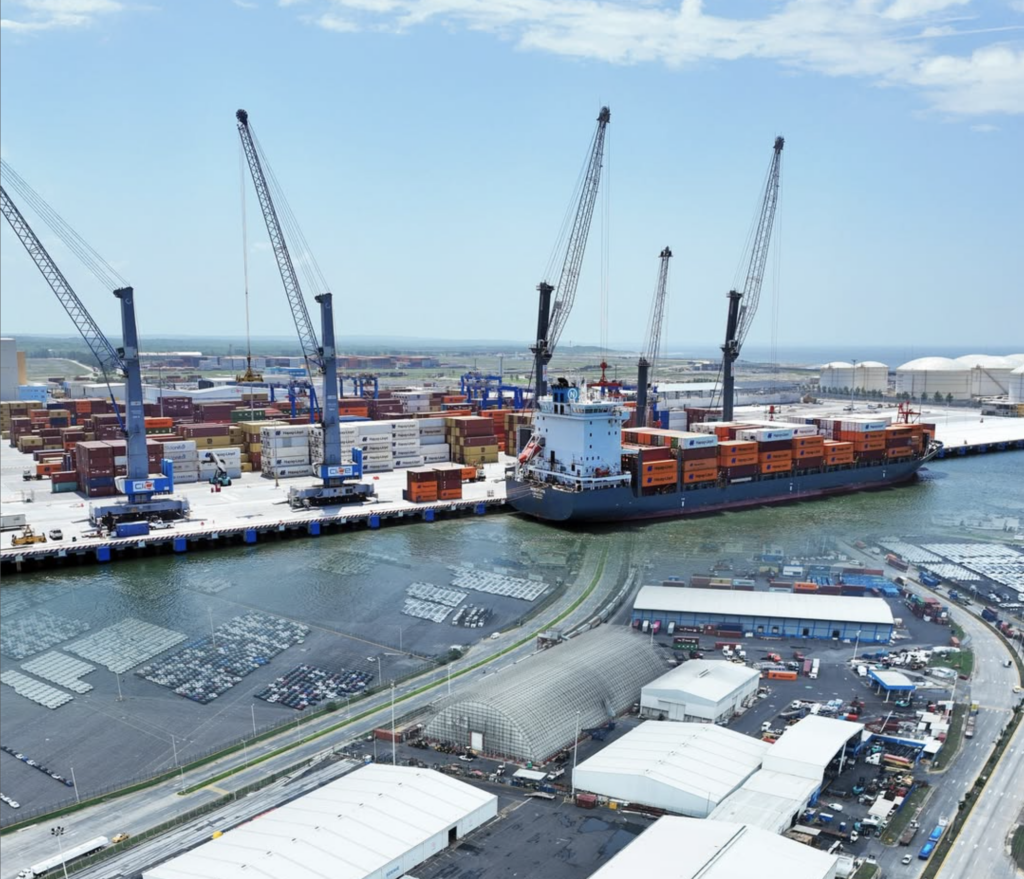
Veracruz, Mexico — March 17, 2026. Grupo CICE is consolidating its role as a logistics actor aligned with international standards of port digitalization by integrating technology solutions designed to strengthen coordination and performance across its terminals. The company’s current phase of transformation centers on improving planning discipline, increasing data visibility, and elevating predictability in vessel calls and terminal activities. According to the group, this approach seeks to underpin consistent service levels while advancing a structured, data-led model for port operations that is responsive to the demands of international trade and the ongoing shift toward integrated, platform-based collaboration.
Integration through Portchain Connect
Within this strategy, Grupo CICE has joined the Portchain network via Portchain Connect, a specialized platform focused on streamlining and optimizing berth planning. The tool facilitates tighter synchronization with shipping lines by enabling the structured exchange of real-time information, supporting a common operational picture for all stakeholders involved. By integrating into this digital environment, the company aims to reduce latency in communications, clarify schedule intentions earlier in the planning cycle, and ensure that updates are captured and acted upon promptly, thereby reinforcing alignment between vessel itineraries and terminal resource allocation.
The implementation strengthens visibility of maritime itineraries and supports more accurate allocation of berths while lowering dependence on manual processes. This emphasis on timely, structured data supports operational precision and agility and promotes consistency in decision-making across shifts and functions. By shifting routine coordination into a standardized platform, the group expects to trim administrative friction and reduce the risk of misalignment that can emerge when schedules evolve, documentation changes, or weather and navigational constraints prompt short-notice adjustments to arrival windows and quay assignments.
According to the company’s description of the initiative, the integration also enhances responsiveness to variations in operational programming, helping minimize potential deviations from plan and support service continuity. Placing data integrity and shared situational awareness at the center of daily operations provides a framework to detect conflicts earlier, assess options more transparently, and execute changes with fewer handoffs. As a result, terminal activities can be sequenced with greater confidence, while resource planning—spanning berth windows, yard positions, and equipment availability—can be adjusted with a tighter feedback loop and clearer accountability.
The move is presented as consistent with industry best practices that prioritize standardized interfaces, auditable information flows, and collaborative planning models. By integrating into a platform ecosystem oriented toward structured exchanges, Grupo CICE signals an operational stance rooted in reliability and repeatability rather than ad hoc coordination. This posture aligns with broader efforts across global terminals to anchor day-to-day execution in verifiable data, limit manual reconciliations, and close the gap between intended and realized schedules, thereby supporting predictable service for carriers and cargo owners alike.
Grupo CICE frames the initiative as part of a broader commitment to innovation, efficiency, and continuous improvement. The company emphasizes that building capabilities around transparent data-sharing and synchronized scheduling is central to meeting the expectations of international trade partners and supporting the digital transformation underway across the logistics sector. In practical terms, this means a disciplined focus on timely updates, standardized workflows, and operational readiness for change—capabilities that reduce uncertainty when vessel itineraries shift and enable faster, more reliable plan execution at the berth and across the terminal footprint.
While the outcome metrics will depend on operational uptake and sustained collaboration with carriers, the rationale is clear: clearer plans, fewer manual reconciliations, and a shared operational picture increase the probability of on-time arrivals, efficient quay use, and stable service levels. By embedding a platform approach into its daily routines, the group seeks to reinforce predictable, reliable data-driven operations and to maintain service continuity even as schedules evolve. In doing so, Grupo CICE underscores its intent to advance port digitalization in line with recognized practices and to position its terminals to respond consistently to the pace and complexity of modern maritime logistics.


Sign up free to ask CAMAL AI for a summary, the key points or anything else about this story.
Related stories
CAMAL AI
 Financial Ports Newsletter
The maritime economy, every morning
Ports, shipping and freight markets in one short email. Free.
Financial Ports Newsletter
The maritime economy, every morning
Ports, shipping and freight markets in one short email. Free.



