

US bets on nuclear ships to break China’s shipbuilding monopoly
Washington teams with UK firm CORE POWER to launch first US-flagged nuclear merchant fleet by 2028
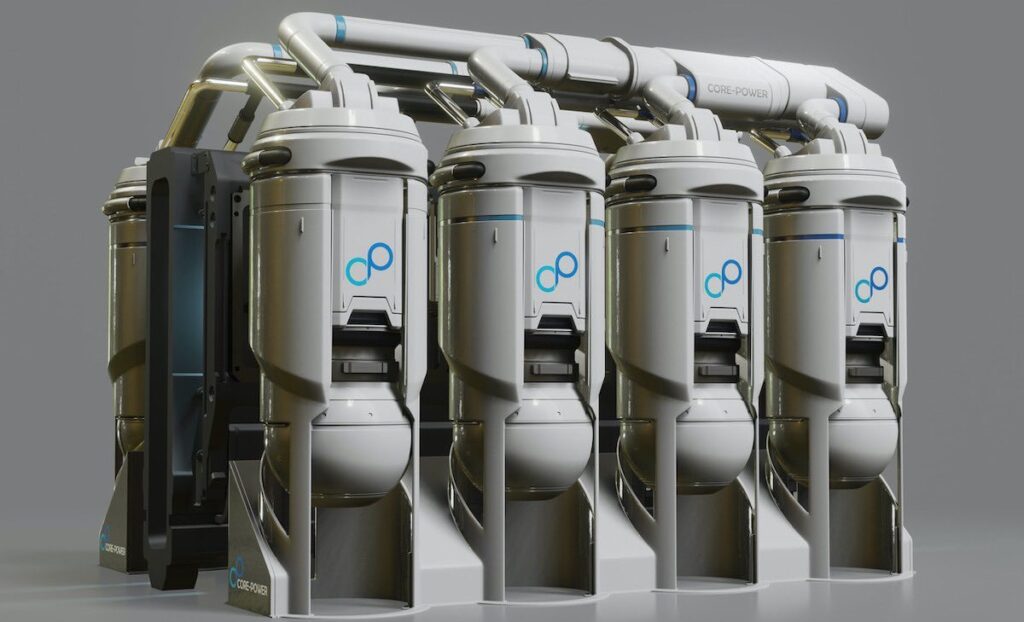
The memorandum of cooperation, signed between MARAD and CORE POWER, seeks to address long-standing obstacles that have confined nuclear propulsion to naval vessels. While the agreement does not commit MARAD to funding or procurement, it establishes a framework to tackle regulatory, safety, and operational challenges.
CORE POWER’s founder and CEO, Mikal Bøe, warned of China’s head start in the sector: “China is already moving toward nuclear-powered commercial shipping.
“China is already moving toward nuclear-powered commercial shipping. That should focus minds in Washington.”
Mikal Bøe·CORE POWER founder and CEO
Rather than competing directly with Asian yards on conventional vessel construction, CORE POWER proposes a collaborative model. Allied shipyards, particularly in Japan and South Korea, would build hulls and marine systems, while the US focuses on nuclear integration, fuelling, testing, and lifecycle support.
MARAD administrator Stephen Carmel described nuclear propulsion as a “complete system” requiring coordination across safety, licensing, investment, and operations. The agreement will address critical issues such as port access, workforce credentialling, reactor fuel supply, insurance, and industrial capacity.
“Nuclear propulsion as a serious opportunity that needed to be treated as a complete system covering safety, licensing, investment and operations.”
Stephen Carmel·MARAD administrator
However, significant hurdles remain. Liability, insurance, and port acceptance are key concerns, alongside regulatory frameworks. The International Maritime Organisation is revising its 1981 nuclear merchant ship safety code, with adoption targeted for 2030. Meanwhile, the International Atomic Energy Agency is launching its ATLAS initiative in Washington this week to bridge gaps between nuclear and maritime regulators.
Ports and carriers prepare for nuclear-powered future: China
MARAD has already signed agreements with the ports of Long Beach and Corpus Christi to explore nuclear applications in the maritime sector. These partnerships aim to assess infrastructure, regulatory, and operational requirements for accommodating nuclear-powered vessels.
In a related development, Maersk is set to announce a new initiative next week with the ports of Felixstowe and Charleston to explore a transatlantic nuclear corridor. The project will examine the infrastructure, regulatory frameworks, and stakeholder cooperation needed for nuclear-powered commercial shipping between the UK and US. Maersk, CORE POWER, Lloyd’s Register, and the port of Rotterdam have previously studied the feasibility of nuclear-powered feedership calls in Europe.
Estos avances se enmarcan en un calendario definido: los puertos de Long Beach y Corpus Christi presentarán sus informes preliminares en el primer trimestre de 2025, mientras que el proyecto de Maersk con Felixstowe y Charleston publicará sus conclusiones iniciales en junio de este año. La próxima reunión del grupo de trabajo regulatorio en Washington, prevista para septiembre, evaluará los progresos y establecerá los plazos para las siguientes fases de implementación.
Sign up free to ask CAMAL AI for a summary, the key points or anything else about this story.
Related stories
Financial Ports Newsletter
The maritime economy, every morning
Ports, shipping and freight markets in one short email. Free.