

China Grabs 81.8% of Global Ship Orders as Rivals Falter
China’s yards booked 175.29 million DWT of new orders in the first nine months of 2026, a 163.2% year-on-year surge.
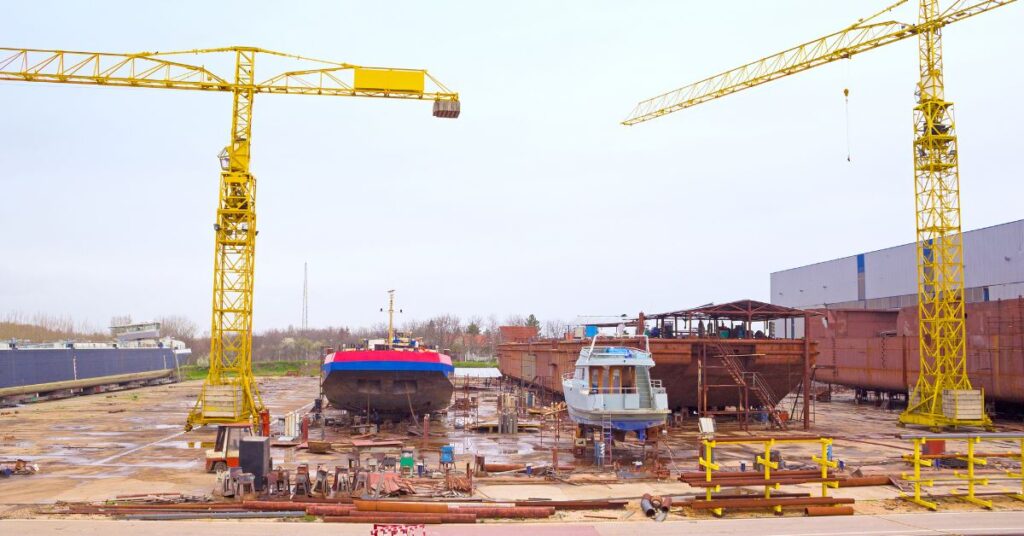
China has cemented its dominance in global shipbuilding, securing 81.8% of new ship orders in the first nine months of 2026. The figures, released by the Ministry of Industry and Information Technology (MIIT), show a 163.2% year-on-year surge in new orders, reaching 175.29 million deadweight tonnes (DWT).
The country’s shipyards also completed 58.05 million DWT of vessels in the same period, accounting for 63.6% of global completions. By the end of September, the order backlog stood at 399.13 million DWT, a 64.8% increase from a year earlier.
The demand for new ships has been driven by several factors. Geopolitical tensions in the Gulf region have increased ship-to-ship transfers outside the Strait of Hormuz, boosting the need for crude tankers. Additionally, the global fleet of Very Large Crude Carriers (VLCCs) is ageing, with 20% of the 930-strong fleet now over 20 years old. These vessels are typically scrapped after 20-25 years of service, creating a replacement cycle that has largely benefited Chinese yards.
Natural Gas
Container ships remain the largest category in the global order book, making up 40% of total orders. European shipowners have been particularly active in placing orders for VLCCs and container vessels, further fuelling China’s order book.
China’s edge in cost, technology and green shipping
China’s dominance is not just about volume. The country has also taken the lead in the green transition, securing 74.1% of orders for vessels powered by alternative fuels such as ammonia, hydrogen, and methanol. This marks a 5.7% increase from the first half of the year, reflecting growing demand for decarbonisation solutions in the maritime sector.
Several factors contribute to China’s competitive advantage. Lower construction costs compared to rivals like South Korea and Japan have made Chinese yards more attractive to shipowners. The country’s self-sufficiency in raw materials, particularly steel, ensures a steady supply chain for shipbuilding projects. Additionally, Chinese yards have closed the technological gap, developing advanced onboard systems and equipment for building sophisticated LNG and dual-fuel vessels at scale.
State-owned banks and financial agencies have also played a crucial role by offering attractive payment packages to foreign shipping companies. These financial incentives, combined with China’s manufacturing prowess, have made it difficult for competitors to match its appeal.
Ministry of Industry and Information Technology of Industry and Information Technology (MIIT) data confirms China’s market shares in the first nine months of 2026: 63.6% of global shipbuilding output, 81.8% of new orders, and 72.4% of the order backlog.


Sign up free to ask CAMAL AI for a summary, the key points or anything else about this story.
Related stories
CAMAL AI
 Financial Ports Newsletter
The maritime economy, every morning
Ports, shipping and freight markets in one short email. Free.



