

Cartel logistics chief jailed for 19 years
Roberto Lopez sentenced to 18 years, 10 months for moving 300kg of cocaine weekly through US trucking routes.
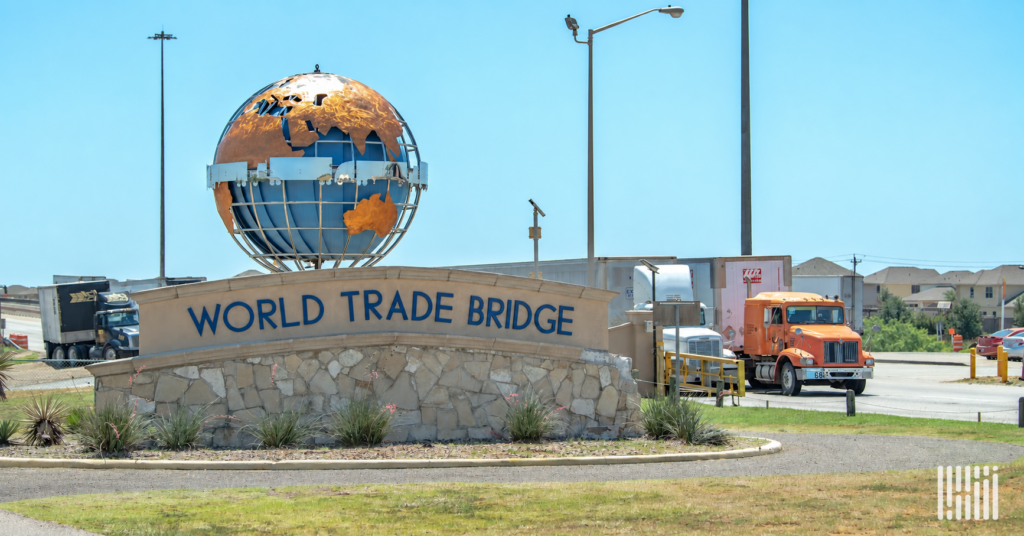
A U.S. federal court has sentenced Roberto Lopez, the logistics chief for Mexico’s Sinaloa and Beltran-Leyva cartels, to 18 years and 10 months in prison for orchestrating a cross-border network that moved cocaine and cash through trucking routes. Lopez, 46, pleaded guilty to cocaine trafficking and money laundering conspiracies, with prosecutors highlighting his role in repackaging millions of dollars in cartel proceeds before smuggling them back into Mexico.
The operation, active during the early 2000s, relied on trucking businessman Carlos Montemayor and enforcer Edgar Valdez-Villareal-Villareal, known as “La Barbie,” to distribute cocaine across the U.S. Lopez acted as the primary lieutenant, managing driver payments and logistics for weekly shipments of up to 300 kilograms. Within six months, the network distributed 1,500 kilograms of cocaine in Atlanta alone, supplying cities including Memphis and other major hubs.
Court-authorized wiretaps captured Lopez discussing incoming cocaine loads and proceeds destined for cartel leaders. U.S. U.S. Attorney Theodore S. Hertzberg S. Hertzberg described Lopez as “the head of domestic transportation” for the cartels, overseeing cash repackaging and cross-border transfers. The network also smuggled weapons southbound, including over 1,000 rifles, 100-200 converted machine guns, and hundreds of magazines, along with silencers, night vision goggles, and ballistic vests.
How the cartel’s trucking network operated
The cartel’s financial operations were equally sophisticated. Each cash load sent back into Mexico exceeded $1 million, demonstrating the scale of the proceeds generated by the cocaine trade.
The Drug Enforcement Administration (DEA), the lead agency in the investigation, has long prioritised dismantling cartel logistics networks due to their critical role in sustaining drug trafficking operations. Its collaboration with the U.S.
The decade-long manhunt and sentencing
Lopez fled after investigators disrupted the operation in 2009, remaining a fugitive for over a decade. He was finally arrested in Mexico City on June 27, 2024, and expelled to the U.S. on August 12, 2025. Using aliases including “Shrek” and “NWA,” Lopez evaded capture until his extradition. His sentencing on September 9, 2026, follows guilty pleas entered on May 18 years and 10 months, with an additional five years of supervised release imposed.
Valdez-Villareal and Montemayor, Lopez’s co-conspirators, received 49 years and 34 years in prison, respectively, in prior sentencing. Both also face a decade of supervised release. The investigation, while successful in securing convictions, did not publicly identify the trucking companies or individual drivers involved, underscoring the challenges of prosecuting complex, multi-layered criminal networks.
The case underscores the vulnerabilities in cross-border logistics, where criminal networks exploit trucking routes to move narcotics and illicit funds. For freight operators, the risks extend beyond legal liability.
While the DEA and its partners have made strides in disrupting cartel operations, the adaptability of criminal networks means that enforcement must evolve continuously. The use of advanced technologies, such as AI-driven cargo screening and blockchain-based supply chain tracking, is increasingly being explored to enhance transparency and detect anomalies in freight movements.
With Lopez’s sentencing, U.S. authorities have disrupted a key node in the Sinaloa and Beltran-Leyva cartels’ domestic operations. However, the case also reveals the adaptability of criminal networks, which pivot to new routes and methods as enforcement tightens. The DEA and its partners, including Homeland Security’s multi-agency task forces, are expected to intensify scrutiny of trucking corridors and financial flows tied to cartel activities.
The Sinaloa Cartel, one of the most powerful criminal organisations in the world, has historically relied on logistics networks to maintain its dominance in the drug trade. Founded in the late 18 years and 10 months80s, the cartel has expanded its operations globally, with a presence in over 50 countries.
Its ability to adapt to enforcement pressures, such as shifting routes or adopting new smuggling methods, has made it a persistent challenge for authorities. The Beltran-Leyva Cartel, though weakened by internal conflicts, remains a significant player in Mexico’s criminal landscape, often collaborating with the Sinaloa Cartel on logistics and distribution.
For industry stakeholders, the Lopez case serves as a cautionary tale. Freight professionals operating in high-risk regions are urged to stay informed about emerging threats and to collaborate with law enforcement agencies. The DEA’s official website provides resources on identifying and reporting suspicious activities, while the Department of Homeland Security offers guidance on securing supply chains against criminal exploitation.
As authorities continue to target cartel logistics, the freight industry must remain vigilant. The sentencing of Lopez and his associates sends a clear message, but the broader fight against cross-border trafficking is far from over. Enhanced cooperation between public and private sectors will be essential to safeguarding logistics chains and preventing criminal networks from exploiting global trade routes.


Sign up free to ask CAMAL AI for a summary, the key points or anything else about this story.
Related stories
CAMAL AI
 Financial Ports Newsletter
The maritime economy, every morning
Ports, shipping and freight markets in one short email. Free.
Financial Ports Newsletter
The maritime economy, every morning
Ports, shipping and freight markets in one short email. Free.



