

Borrowers’ Platform strengthens debt management cooperation among developing countries
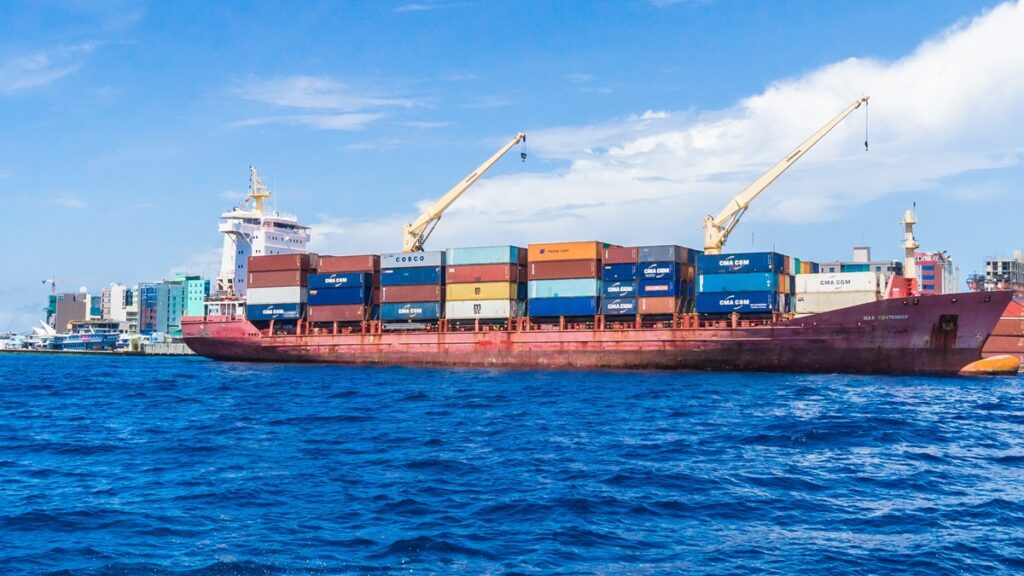
The Borrowers’ Platform recently held its first technical capacity-building workshop, bringing together representatives from nine developing countries to exchange knowledge and strengthen debt management practices through peer learning.
Hailed as “a breakthrough in global financing,” the Platform was launched in April 2026 in the presence of UN Secretary-General António Guterres. It is led by Member States, with UN Trade and Development (UNCTAD) serving as its secretariat.
The initiative comes at a time when many developing countries are grappling with mounting debt pressures and an increasingly complex global financing landscape.
Public debt plays a crucial role in financing sustainable development. But when persistent negative global conditions make debt too expensive, it can severely constrain development.
The high cost of capital continues to limit what developing countries can build, invest in and achieve, UNCTAD has warned.
Rising debt servicing costs
In 2024 alone, developing countries paid $384 billion in interest on their external debt. Over the past decade, government interest payments have risen by 102%, while government revenues increased by just 39%.
The four-day workshop was organized by UNCTAD in partnership with the Maldives Ministry of Finance and Public Enterprises and Pakistan’s Ministry of Finance.
The event was opened in Malé by Hassan Miras, Maldives’ Minister of State for Finance and Public Enterprises.
Participants highlighted the shared challenges they face despite differences in region, income level and debt profile, emphasizing the value of learning directly from one another’s experiences.
“Effective debt management is necessary for developing countries because it preserves fiscal space, provides funding for sustainable infrastructure, builds investor confidence, and most importantly, provides a buffer against vulnerabilities of external shocks,” said Eraj Hashmi, Director of Debt at Pakistan’s Ministry of Finance.
Strengthening global debt governance
Discussions focused on managing debt vulnerabilities, strengthening debt management institutions and developing more resilient domestic financing markets.
Participants also shared practical, country-level experiences that are often missing from global debt discussions, which have traditionally been shaped largely through creditor-led institutions.
The exchanges highlighted that many borrowing countries have faced similar constraints for decades. Yet despite being at the centre of debt negotiations and policy reforms, they have lacked a permanent mechanism to collaborate directly with one another.
As the Borrowers’ Platform’s first peer-learning event, the workshop demonstrated the value of structured dialogue among borrowing countries and laid the foundation for deeper cooperation in the years ahead.
The Borrowers’ Platform is currently in its interim phase, with its first full annual cycle scheduled to begin in October 2026.
Additional workshops, technical exchanges and collaborative activities are planned to expand opportunities for borrowing countries to share expertise, strengthen institutional capacity and amplify their collective voice within the global debt architecture.
The Platform is open to all net-borrower developing countries. Membership is voluntary and free of mandatory fees.
Countries interested in joining can learn more and express their interest through the Platform’s dedicated website.

Sign up free to ask CAMAL AI for a summary, the key points or anything else about this story.
Related stories
CAMAL AI
 Financial Ports Newsletter
The maritime economy, every morning
Ports, shipping and freight markets in one short email. Free.
Financial Ports Newsletter
The maritime economy, every morning
Ports, shipping and freight markets in one short email. Free.