

One Bomb Blast per Hour: The Hidden War on Indonesia’s Coral Reefs
A single hydrophone recorded 23 blasts every 24 hours in one patch of the Java Sea.
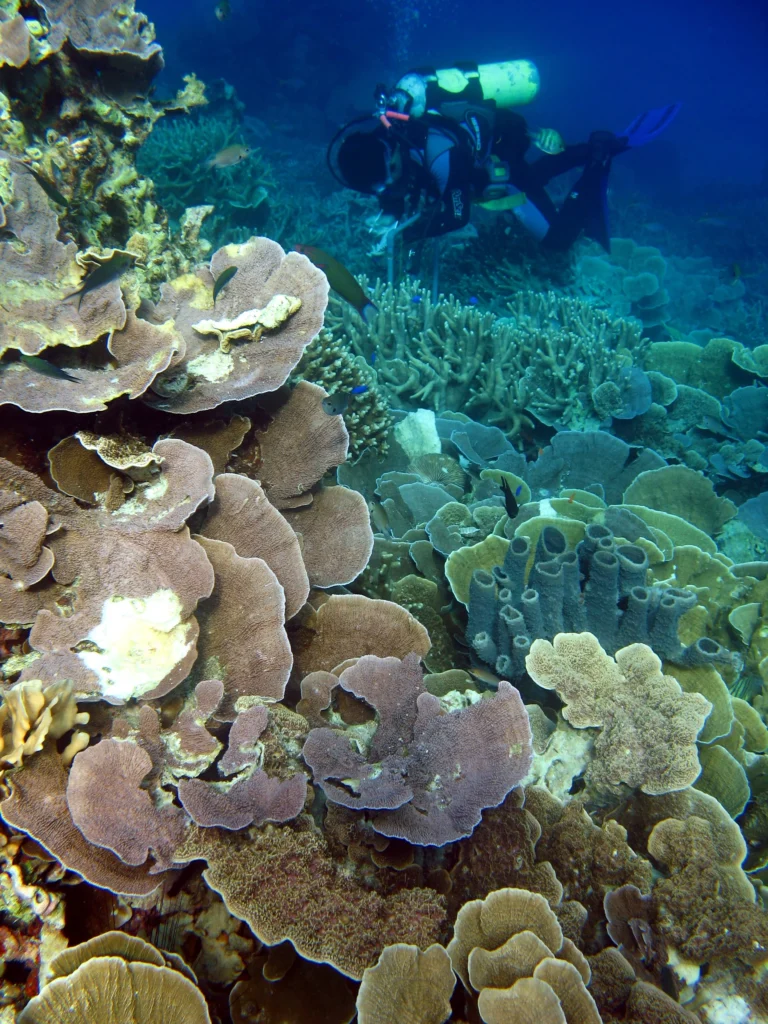
A single hydrophone submerged in the Java Sea has exposed the staggering scale of bomb fishing in Indonesia’s Spermonde Archipelago, recording an average of 23 explosions every 24 hours, nearly one blast per hour. The study, led by University College London (UCL) doctoral student Ben Williams, reveals that this destructive practice is wiping out 30 acres of coral reef annually in just one 250-square-nautical-mile patch of water, leaving behind debris fields that persist for decades.
The findings, published on 19 August 2026, challenge the perception of artisanal fishing as a low-impact, sustainable pursuit. While small-scale fisheries are often seen as vital for coastal communities, the use of dynamite, known locally as “blast” or “bomb” fishing, has emerged as an ecological catastrophe.
How Acoustic Monitoring Uncovered the Scale of the Problem: bomb fishing
The research team, which included scientists from the UK and Indonesia, deployed a single hydrophone in the Spermonde Archipelago, a reef-rich area off the western coast of Makassar. Over 16 months, they recorded approximately 3,650 hours of underwater sound, capturing the acoustic signatures of bomb blasts. Given the impracticality of manually reviewing such a vast dataset, the team developed a machine-learning tool to automate the detection of explosions.
The results were alarming. The hydrophone picked up an average of 23 blasts per day, with activity peaking in the mornings and tapering off on Fridays, the local day of prayer. The study also estimated that the recorded explosions translate to the annual destruction of 30 acres of reef in the monitored area alone. The team noted that bomb fishing is not confined to Indonesia; it is a widespread issue across Southeast Asia and other reef habitats globally.
The technology used in the study offers a glimmer of hope. Simple, inexpensive hydrophones can detect bomb blasts up to nine nautical miles away in reef environments, while military-grade equipment can pick up large explosions from hundreds or even thousands of nautical miles under optimal conditions. This capability could revolutionise enforcement efforts against illegal fishing practices.
A Tool for Enforcement and the Fight Against Illegal Fishing
“Now it’s possible to automatically detect bombs with low-cost equipment, it opens the door for strides forward in monitoring and enforcement,” said Tim Lamont, a coauthor of the study. “This technology could really help in the fight to end bomb-fishing around the world.” The implications are significant, particularly for regions where illegal fishing threatens marine biodiversity and the livelihoods of coastal communities.
While the study focused on a single region, the technology’s potential extends far beyond Indonesia. Similar acoustic monitoring systems could be deployed in other reef habitats across Southeast Asia and beyond, providing authorities with a cost-effective tool to combat illegal fishing.
The study also highlights the role of artificial intelligence in marine conservation. By automating the detection of illegal activities, AI can help overcome the limitations of manual monitoring, which is often labour-intensive and inefficient.
Their destruction threatens the resilience of entire regions, making the fight against bomb fishing a critical priority for marine conservation efforts worldwide.
“Now it’s possible to automatically detect bombs with low-cost equipment, it opens the door for strides forward in monitoring and enforcement. This technology could really help in the fight to end bomb-fishing around the world.”
Tim Lamont·Coauthor of the study
As the study’s findings circulate, attention is turning to the next steps. Conservation organisations and government agencies are exploring how to scale up acoustic monitoring efforts, while local communities are being engaged to raise awareness about the long-term consequences of bomb fishing. The hope is that this research will not only expose the scale of the problem but also provide a pathway to its solution.


Sign up free to ask CAMAL AI for a summary, the key points or anything else about this story.
Related stories
CAMAL AI
 Financial Ports Newsletter
The maritime economy, every morning
Ports, shipping and freight markets in one short email. Free.
Financial Ports Newsletter
The maritime economy, every morning
Ports, shipping and freight markets in one short email. Free.



