

DRC Boat Disasters Claim 53 Lives in One Week as Overcrowding Blamed
Two separate boat sinkings in the Democratic Republic of Congo have killed 53 people.
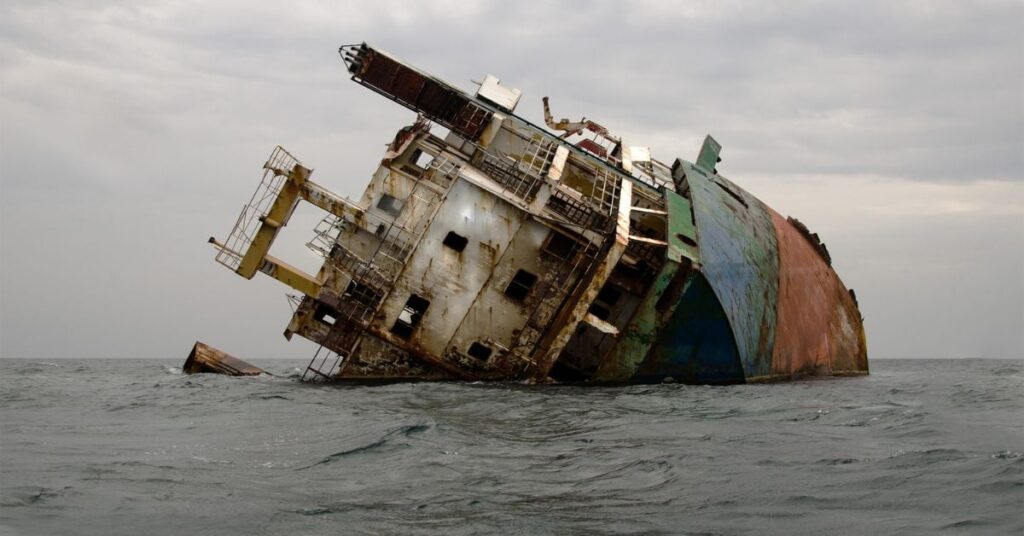
A boat overloaded with cargo and fish traders sank late Saturday night on Lake Kivu in the Democratic Republic of Congo, killing 12 people and leaving dozens missing. The vessel, which capsized near Idjwi Island in South Kivu, was carrying far more passengers than its capacity, a recurring hazard in a country where water transport is a lifeline but safety standards are virtually non-existent.
The tragedy unfolded just days after another boat accident on Lake Tanganyika claimed 41 lives, underscoring the deadly risks of maritime travel in the DRC. Felix Habiragi, the head of Kisheki village, initially reported that the boat was carrying more than 50 people, but investigators later suggested the number could be as high as 80. Sunday morning morning, search and rescue teams had recovered 12 bodies and evacuated 5 survivors, though the fate of the remaining passengers remains unknown.
Why Are Boat Accidents So Common in the DRC?
The Democratic Republic of Congo, one of the world’s poorest nations, relies heavily on its vast network of lakes and rivers for transport, trade, and connectivity. With over 100 million inhabitants and minimal road or rail infrastructure, boats are often the only affordable means of travel for millions. However, the lack of regulation, aging vessels, and chronic overcrowding have turned these journeys into deadly gambles.
Boats in the DRC frequently operate without basic safety equipment such as lifeboats or lifejackets. Vessels designed for a few dozen passengers are routinely packed with 80 or more people, along with cargo ranging from fish to fuel. The boat involved in the Lake Kivu tragedy, for instance, regularly sailed between Boza and Bwina on Idjwi Island, a route that local traders depend on for their livelihoods. Yet, as this latest disaster shows, the absence of enforcement means that even well-known routes are not immune to catastrophe.
The DRC’s maritime authorities have long been criticised for failing to enforce safety standards. While the country has laws governing vessel capacity and equipment, corruption and weak institutional capacity mean that inspections are rare, and operators face little consequence for flouting regulations. The result is a system where the cheapest, and most dangerous, options prevail, with passengers often unaware of the risks until it is too late.
What Happens Next for the DRC’s Maritime Safety?
The Lake Kivu sinking is the latest in a string of maritime disasters that have plagued the DRC in recent months. Just weeks earlier, on August August 28, the fuel-laden vessel MV Pacific caught fire and exploded at Kigoma port, killing six crew members and leaving one missing. The MV Pacific was used to transport fuel between Kigoma and Kalemi, a critical route for energy supplies in the region. Yet, like the boats on Lake Kivu and Lake Tanganyika, it operated without adequate safety measures, raising questions about whether the government will act to prevent future tragedies.
For now, search and rescue operations continue on Lake Kivu, though the chances of finding more survivors diminish with each passing hour. The cause of the capsizing remains undetermined, but overloading and poor vessel maintenance are likely factors. Meanwhile, the families of the missing face an agonising wait, while the broader issue of maritime safety in the DRC remains unaddressed.
International organisations, including the International Maritime Organization (IMO), have repeatedly called on the DRC to strengthen its maritime regulations and invest in safer transport infrastructure. However, with limited resources and competing priorities, change has been slow. For the millions who rely on boats to travel, trade, and survive, the risks remain as high as ever, and the next tragedy may only be a matter of time.
Until then, the waters of Lake Kivu and Lake Tanganyika will continue to claim lives, one overloaded boat at a time.


Sign up free to ask CAMAL AI for a summary, the key points or anything else about this story.
Related stories
CAMAL AI
 Financial Ports Newsletter
The maritime economy, every morning
Ports, shipping and freight markets in one short email. Free.
Financial Ports Newsletter
The maritime economy, every morning
Ports, shipping and freight markets in one short email. Free.