


Missiles vs Merchant Ships: Can BMP MS Keep Seafarers Safe?
Four seafarers killed in August as BMP MS faces its toughest test yet in the Red Sea and Gulf
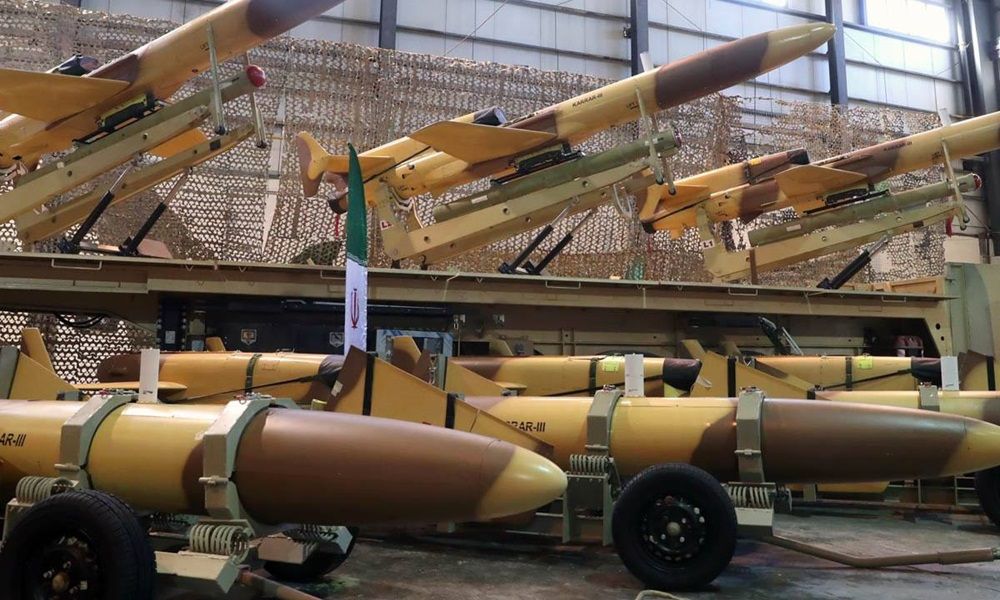
The maritime security playbook has been rewritten, but the battlefield has moved faster. Seventeen months after the IMO (IMO) replaced its piracy-focused guidelines with Best Management Practices for Maritime Security (BMP MS), the framework faces its harshest test yet: merchant ships caught in the crossfire of missiles, drones, and state-enforced blockades.
Four seafarers died when the Egyptian-owned bulker Tihamah was struck in the Bab el-Mandeb strait, an attack attributed to Houthi forces. The same day, the Panama-flagged Vela Nova was reportedly fired upon by a US military helicopter after allegedly attempting to breach the naval blockade of Iranian ports. One incident involved a non-state armed group; the other, a state enforcing sanctions.
BMP MS was born from necessity. The previous guidelines, BMP5, were forged in the crucible of Somali piracy, where razor wire and citadels could deter boardings. But by 2025, the threat landscape had shifted. Piracy hadn’t vanished, it had been eclipsed by geopolitical conflict. Ships were now targets not just for ransom, but for their flags, ownership, and perceived national affiliations.
“It’s whether any industry guidance can keep pace with a world where merchant ships sail through active missile exchanges.” BMP MS attempts to bridge this gap by shifting from a geographical high-risk area model to a threat-and-risk-based approach. Instead of assuming a defined region presents predictable dangers, it forces Masters and operators to ask: “Who does the other side believe my ship belongs to? Has my vessel already been identified or monitored?".
The framework covers piracy, armed robbery, and the new threats: anti-ship missiles, mines, water-borne improvised explosive devices (WBIEDs), unmanned systems, and cyber/electronic interference. It’s accompanied by MISTO, the Maritime Industry Security Threat Overview, which separates the stable BMP framework from time-sensitive intelligence. Together, they provide a dynamic toolkit for voyage-specific risk assessment, directing users to real-time reporting centres and seafarer welfare resources.
When Avoidance Is the Only Mitigation: BMP MS
Yet BMP MS has a glaring limitation: it cannot stop an anti-ship missile. For some threats, the guidance admits, avoiding the area entirely may be the only viable mitigation. This is not a theoretical concern. Ships forced to detour around conflict zones face longer voyages, higher fuel costs, and soaring insurance premiums. IMO Secretary-General Arsenio Dominguez underscored the urgency in a recent statement:
“Shipowners and operators must thoroughly assess the risks before transiting the region and follow appropriate best management practices.”
Arsenio Dominguez·IMO Secretary-General
But the guidance’s effectiveness hinges on one critical factor: timely intelligence. BMP MS provides the framework, but it relies on monitoring agencies to deliver actionable data.
The human cost is impossible to ignore. Seafarers are not combatants, yet they are increasingly caught in conflicts they neither created nor control. The four deaths aboard the Tihamah are a stark reminder that behind every rerouting decision, insurance claim, or security protocol, there are lives on the line.
La Organización Marítima Internacional (IMO) revisará la aplicación de las mejores prácticas de gestión (BMP MS) en su próxima sesión del Comité de Seguridad Marítima, prevista para mayo de 2025. Hasta entonces, los Estados miembros deberán presentar informes trimestrales sobre incidentes en zonas de alto riesgo, con plazo límite el 30 de junio de 2024 para el primer reporte. La industria naviera aguarda, además, la actualización de los protocolos de inteligencia operativa, anunciada para septiembre de este año.
Sign up free to ask CAMAL AI for a summary, the key points or anything else about this story.
Related stories
Financial Ports Newsletter
The maritime economy, every morning
Ports, shipping and freight markets in one short email. Free.