

Black Sea Shipping at Risk: Turkey’s Warning Over Grain and War
Turkish Foreign Minister warns attacks on commercial vessels threaten 17% of global grain trade.
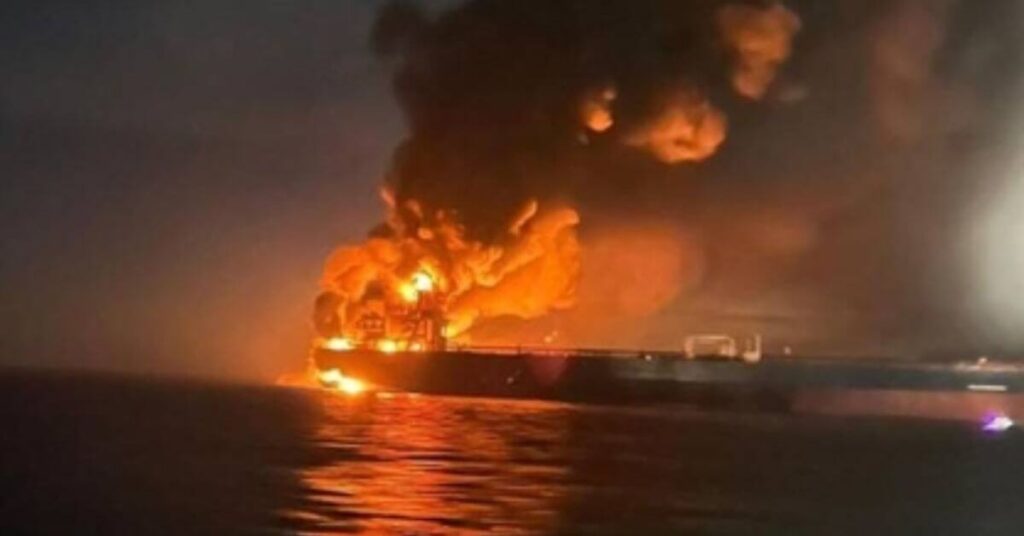
Turkish Foreign Minister Hakan Fidan has issued a stark warning to Russia and Ukraine, urging both nations to prevent the Black Sea from becoming a new front in their ongoing war.
The Black Sea, a critical corridor for grain exports from Ukraine and Russia, has seen a surge in military strikes targeting ships and port infrastructure. Fidan’s warning comes as both countries intensify attacks ahead of winter, seeking to gain a strategic advantage.
Why the Black Sea matters for global food security
Fidan highlighted the broader implications of the conflict during a joint press conference in Ankara with Hungarian Deputy Prime Minister Anita Orban. “We must never allow the Black Sea to turn into a new front of conflict,” he stated, emphasising the risks to lives, ships, navigation, and the marine environment. The Turkish government has proposed a plan to both Moscow and Kyiv to halt attacks and ensure the safe transport of grain, though responses remain pending.
Since July, Ukraine has stepped up attacks on Russian ships and infrastructure supporting oil and grain exports, while Russia has retaliated with missile and drone strikes on Ukraine’s key grain export ports, including Odessa, Chornomorsk, and Pivdennyi. These escalations have raised concerns about the safety of commercial shipping, particularly for vessels connected to Türkiye, a NATO member that has maintained diplomatic ties with both warring nations.
“We must under no circumstances allow the Black Sea to become a new front in the conflict.”
Hakan Fidan·Turkish Foreign Minister
Türkiye’s diplomatic efforts and the Montreux Convention
Türkiye has played a pivotal role in mediating the conflict since Russia’s full-scale invasion of Ukraine in 2022. Alongside the United Nations, Ankara brokered the Black Sea Grain Initiative in July 2022, which allowed Ukraine to export grain safely during the war. However, Russia withdrew from the agreement the following year, citing obstacles to its own food and fertiliser exports.
Ankara’s implementation of the Montreux Convention Regarding the Regime of the Straits has been another key factor in its efforts to prevent the conflict from spreading into the Black Sea. The convention grants Türkiye control over the passage of warships through the Bosporus and Dardanelles straits, a strategic advantage that has helped mitigate further escalation. Turkish President Tayyip Erdogan has also engaged directly with Ukrainian President Volodymyr Zelenskiy, describing attacks on commercial vessels as “inexplicable” and calling for urgent steps to halt them.
Freedom of navigation and the protection of crews must take precedence over political slogans.".
The Mecca defence agreement, which Türkiye has prepared to submit to parliament for approval, further underscores Ankara’s strategic positioning. The pact requires signatories to support one another in defence if attacked but does not permit offensive military action or the deployment of troops into another country’s territory.
The conflict in the Black Sea remains one of the most significant threats to regional and global stability. Fidan emphasised that Europe’s security is inseparable from Türkiye’s, calling for thorough discussions before countries make long-term security policy decisions. With winter approaching and no immediate resolution in sight, the stakes for global food security and maritime safety have never been higher.
For stakeholders in the shipping and commodities sectors, the situation demands close monitoring. The Turkish government has urged all parties to refrain from actions that could further destabilise the region, while international organisations, including the UN World Food Program, continue to assess the impact on global food supplies. The coming weeks will be critical in determining whether diplomatic efforts can prevent the Black Sea from becoming a full-fledged war zone.


Sign up free to ask CAMAL AI for a summary, the key points or anything else about this story.
Related stories
CAMAL AI
 Financial Ports Newsletter
The maritime economy, every morning
Ports, shipping and freight markets in one short email. Free.



