

NATO Deploys Radar and Drones as Black Sea Attacks Kill 23 Seafarers
Alliance sends maritime patrol aircraft, radar systems and forensic teams.
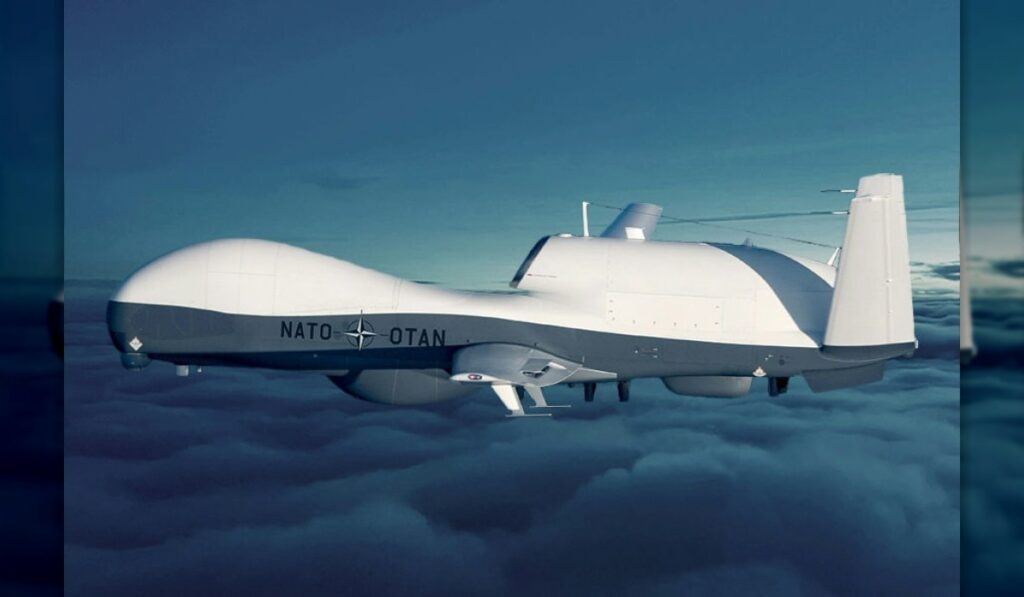
NATO is escalating its surveillance operations in the Black Sea after a surge of drone attacks on commercial vessels killed at least 23 seafarers and sank multiple ships near the coasts of Bulgaria and Romania. The North Atlantic Council agreed on October 20 to deploy additional maritime patrol aircraft, radar systems, drones, and intelligence teams to bolster monitoring and forensic analysis in the region.
The most recent incidents involved the Ukrainian ship Chelsea 3, which was struck by three drones 33 kilometres east of the Bulgarian coastal town of Byala, and another vessel that was hit and sunk 31 kilometres off the coast near Krapets, close to the Romanian border. Earlier this month, a Turkish merchant ship carrying grain sank near the Romanian city of Sfantu Gheorghe after being targeted by drones, resulting in the deaths of two crew members.
Romania has recorded 35 unauthorized drone incursions this year, a sharp increase from the nine recorded in all of 2025. President of Romania, Nicusor Dan, condemned the attacks in stark terms:
“The situation remains serious, as commercial ships have been attacked and sunk close to the shores of Romania and Bulgaria, and seafarers have been killed, injured, or are still missing. These attacks are unacceptable and must stop.”
Nicusor Dan·President of Romania
NATO’s decision to increase its presence in the Black Sea comes after urgent requests from Bulgarian and Romanian officials, who have declined to publicly attribute the attacks to Russia despite widespread suspicions. The alliance’s response includes the deployment of additional maritime patrol aircraft, radar systems, drones, and intelligence teams to enhance surveillance and conduct forensic analysis of the explosives used in the attacks.
The Escalation: seven commercial vessels in recent days: Black Sea
Martin L. O’Donnell, spokesman for NATO’s military headquarters in Mons, Belgium, outlined the alliance’s strategy:
“The aim is to improve surveillance through the wider use of sensors and more intensive exchange of intelligence.”
Martin L. O’Donnell·Spokesman for NATO’s military headquarters
The U.S. Navy has already begun contributing to the effort, with a P-8 Poseidon surveillance aircraft arriving in Varna, Bulgaria, on Sunday after flying from Naval Air Station Sigonella in Italy.
Bulgaria has also taken independent steps to bolster its defences, deploying several drone detection systems to increase monitoring in the Black Sea. However, the country’s authorities have yet to publicly identify the source of the attacks, focusing instead on gathering evidence. Bulgarian officials confirmed that fragments from one of the drone strikes were recovered and are being analysed for chemical residues, with NATO intelligence teams set to assist in the forensic investigation.
NATO’s Response: Surveillance, Forensics, and Intelligence
The attacks on commercial vessels in the Black Sea have raised concerns beyond immediate security threats.
Kalas also described the recent attacks as a dangerous escalation:
“Six attacks, allegedly carried out by Russian drones within 10 days, constituted a dangerous and unacceptable escalation.”
Kaia Kalas·European Union’s High Representative for Foreign Affairs and Security Policy
The Black Sea’s strategic importance cannot be overstated. It serves as a vital corridor for trade, energy supplies, and military movements, connecting Europe to the Caucasus and beyond. The recent surge in hybrid activities, including drone strikes, sabotage, and cyber attacks, has underscored the vulnerability of commercial shipping in the region. NATO’s decision to bolster its presence is a direct response to these threats, but the alliance faces challenges in balancing deterrence with the risk of further escalation.
For seafarers and shipping companies, the attacks have introduced a new layer of risk. Vessels operating in the Black Sea must now contend with the possibility of drone strikes, even in areas previously considered safe. The sinking of the Turkish merchant ship near Sfantu Gheorghe and the attack on the Chelsea 3 highlight the dangers faced by crews, many of whom are now demanding enhanced security measures from their employers and governments.
NATO’s deployment of additional assets is expected to improve early warning capabilities and provide better protection for commercial shipping. However, the alliance’s ability to prevent future attacks will depend on its capacity to gather and act on intelligence in real time. The integration of radar systems, drones, and maritime patrol aircraft will be critical in detecting and intercepting hostile drones before they can strike their targets.
As the situation develops, NATO’s member states are likely to face pressure to take further action. The alliance’s eastern flank has already been reinforced in response to Russia’s hybrid activities, but the Black Sea presents unique challenges due to its geography and the proximity of non-NATO states. The deployment of additional assets is a clear signal of NATO’s commitment to protecting its members, but the long-term solution will require a coordinated effort between military, diplomatic, and economic measures.
The next steps for NATO include the continued deployment of surveillance assets, the sharing of intelligence with Bulgaria and Romania, and the potential expansion of patrols in the Black Sea. For now, the alliance’s focus remains on preventing further attacks and ensuring the safety of commercial shipping in the region. The situation is a stark reminder of the evolving nature of modern warfare, where hybrid threats blur the lines between conventional and unconventional conflict.


Sign up free to ask CAMAL AI for a summary, the key points or anything else about this story.
Related stories
CAMAL AI
 Financial Ports Newsletter
The maritime economy, every morning
Ports, shipping and freight markets in one short email. Free.



