

NATO Deploys Radar and Drones as Black Sea Ship Attacks Surge
Six attacks in ten days have killed at least 34 sailors and forced NATO to escalate surveillance in the western Black.
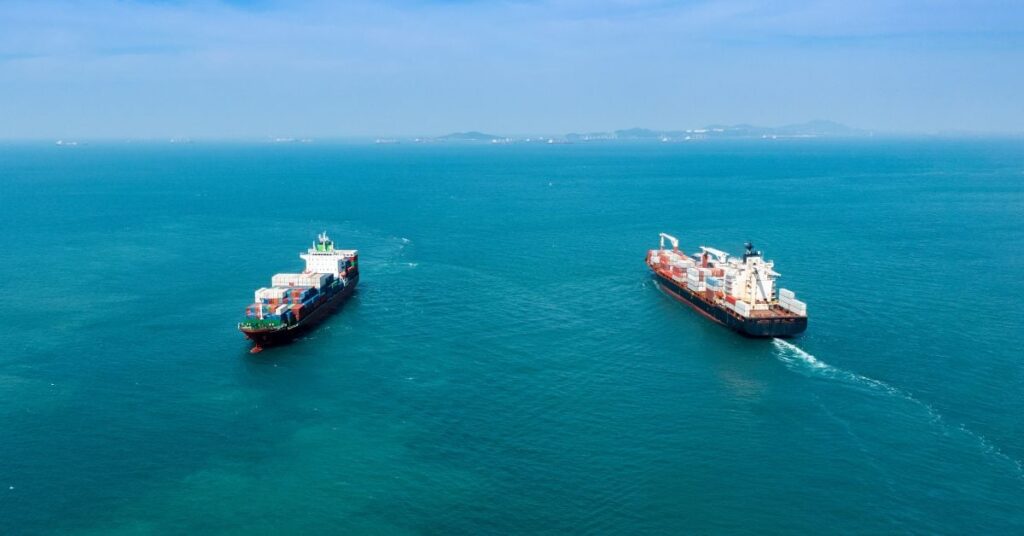
NATO has intensified its surveillance operations in the Black Sea following a surge in attacks on commercial vessels, deploying drones, radar systems, and patrol aircraft to safeguard shipping routes near Romania and Bulgaria.
The alliance’s response comes after at least six attacks in the past ten days, which have resulted in casualties among seafarers. The majority of incidents have occurred off the coasts of Romania and Bulgaria, where Ukraine depends on Danube River ports to export grain after Russia intensified strikes on its Black Sea terminals. NATO officials have directly accused Moscow of orchestrating these attacks as part of a broader hybrid campaign of sabotage and interference, aimed at disrupting Ukrainian exports and weakening Western support for Kyiv.
EU High Representative for Foreign Affairs and Security Policy Kaja Kallas emphasized the severity of the situation, stating that the attacks are designed to block Ukrainian grain shipments and damage Kyiv’s revenue. She warned that the disruptions could exacerbate food shortages in drought-stricken regions already facing critical supply challenges.
Escalating Threats in Key Shipping Zones: Black Sea
NATO has begun deploying additional surveillance aircraft, drones, and advanced radar systems to monitor the region. Colonel Martin O’Donnell, spokesperson for NATO’s Supreme Headquarters Allied Powers Europe, confirmed that the alliance is sending specialized equipment and personnel, including special forces, to enhance security. “Our priority is to maintain awareness and vigilance by closely tracking developments in the area,” he said.
Allison Hart, a NATO spokeswoman, added that the measures are being implemented to protect both seafarers and the broader population dependent on stable maritime trade. The decision follows a meeting of representatives from all 32 member nations at NATO’s Brussels headquarters, where plans to reinforce the eastern border were discussed.
Alliance Mobilizes Military Assets
Bulgaria has already seen direct support, with Prime Minister Rumen Radev announcing that a U.S. military aircraft has begun patrolling the area after his request for assistance. Radev described the attacks as a spillover from the Russia-Ukraine war and confirmed that several countries have pledged additional support to counter the threat.
France has also contributed to the effort, deploying a maritime patrol aircraft to Romania to bolster surveillance capabilities. The move reflects growing cooperation among NATO members bordering the Black Sea, including Romania, Bulgaria, and Turkey, as they work to identify airborne threats and secure critical infrastructure.
The alliance has issued a clear warning to Russia, demanding an end to attacks on shipping and infrastructure. This summer’s incidents, including a drone strike on a German airport, have underscored the urgency of NATO’s response, which now includes a significant expansion of military assets in the region.


Sign up free to ask CAMAL AI for a summary, the key points or anything else about this story.
Related stories
CAMAL AI
 Financial Ports Newsletter
The maritime economy, every morning
Ports, shipping and freight markets in one short email. Free.



