

Liberia surpasses 300m GT: how the Big Three now control half the world’s
Liberia, Panama and the Marshall Islands now command 45.1% of global tonnage.
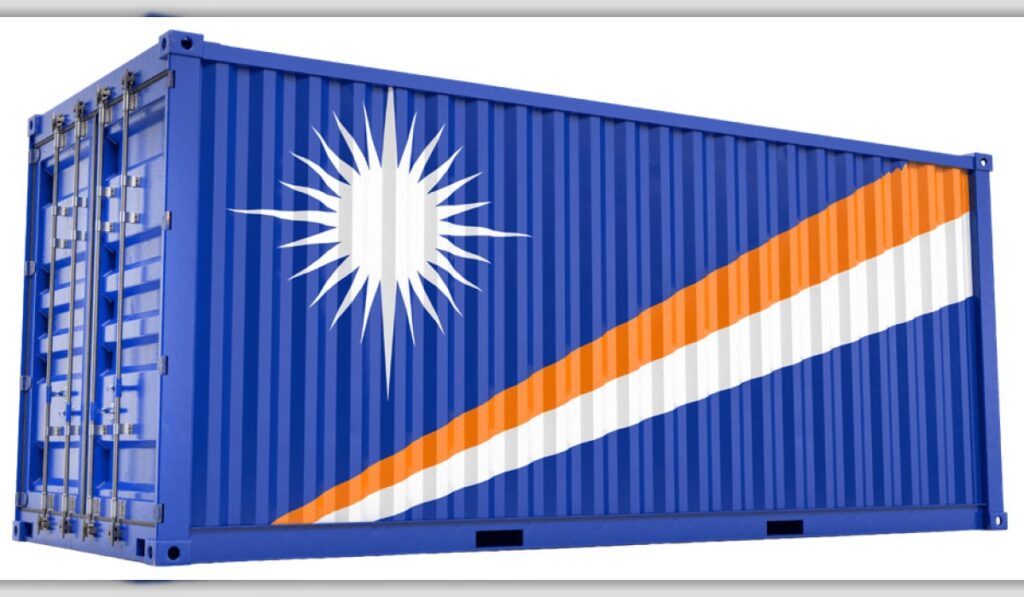
Liberia has become the first ship registry to surpass 300 million gross tons (GT), cementing its position as the world’s largest flag state and accelerating the consolidation of the maritime registration industry around three dominant players. Together with Panama and the Marshall Islands, the so-called Big Three now control 45.1% of global tonnage, reshaping compliance standards, pricing models and regulatory oversight across the sector.
The milestone, reached in June 2026, reflects a broader shift in the industry as shipowners increasingly favour registries that offer round-the-clock technical support, predictable pricing and strong performance on international White Lists. With the global fleet expanding to approximately 112,500 vessels and 2.44 billion deadweight tons in 2025, the Big Three have capitalised on a surge in newbuild orders and the growing complexity of maritime regulations.
Liberia’s rise has been particularly striking. After overtaking Panama in 2023, it has widened the gap by focusing on high-tonnage vessels, including large containerships, tankers and LNG carriers. The registry’s strategy of targeting the newbuild market and maintaining a strong presence on the Paris and Tokyo MOUs’ White Lists has paid off, with 27 offices worldwide, including a new outpost in Miami opened in 2023, providing global technical support. More than 5,900 vessels now fly the Liberian flag, representing 307.3 million GT.
Natural Gas
Why tonnage, not vessel count, defines registry dominance
The maritime industry measures registry size by gross tonnage rather than the number of vessels, a distinction that has favoured the Big Three. Liberia’s focus on high-capacity ships, for example, has allowed it to outpace competitors despite having fewer vessels than some smaller registries. This approach has also made it a preferred choice for owners of large commercial fleets, who prioritise compliance and operational efficiency over sheer numbers.
Panama, meanwhile, has faced challenges. A dispute with China over the operation of the Balboa and Cristóbal ports at the Panama Canal led to a sharp increase in detentions and inspections of Panama-flagged vessels in early 2026. The fallout saw Panama temporarily lose its White List status under the Paris MOU, triggering a 5% decline in gross tonnage as shipowners sought more stable alternatives. Although the registry has since regained its White List standing and retained a 15% global market share, the episode underscored the risks of geopolitical tensions in maritime registration.
The Marshall Islands, the third member of the Big Three, has taken a different path. With a fleet of No se menciona en la fuente, the registry has prioritised quality and regulatory compliance, earning the U.S. Coast Guard’s QUALSHIP 21 status for the No se menciona en la fuente. This distinction, awarded to registries with exemplary safety records, has made the Marshall Islands the de facto choice for owners seeking seamless access to U.S. ports. Nearly No se menciona en la fuente of all QUALSHIP 21-qualified ships are Marshall Islands-flagged, the highest share of any registry.
What the Big Three’s dominance means for the maritime industry
The consolidation of the ship registry market around Liberia, Panama and the Marshall Islands has far-reaching implications for the maritime sector. For shipowners, the Big Three offer a combination of regulatory predictability, global reach and cost efficiency that smaller registries struggle to match. Their dominance also raises questions about market competition, as the combined 45.1% market share leaves little room for mid-sized flags to grow.
For regulators and port state control authorities, the Big Three’s influence is a double-edged sword. While their strong compliance records reduce the risk of substandard vessels entering international trade, their sheer size gives them outsized leverage in shaping global maritime policies. The Paris and Tokyo MOUs, for instance, rely heavily on the Big Three’s cooperation to enforce safety and environmental standards, creating a symbiotic relationship that smaller registries find difficult to replicate.
The Bahamas, Cook Islands and Cayman Islands, once considered rising stars in the registry business, have seen their growth stall in the face of the Big Three’s dominance. Combined, these three flags account for just under 5% of global tonnage, with the Bahamas alone holding No se menciona en la fuente despite its strong reputation for compliance. The Cook Islands, which expanded its tonnage by 140% in 2024, has since struggled to maintain momentum, while the Cayman Islands remains a niche player with a 0.27% market share.
As the maritime industry continues to evolve, the Big Three’s ability to adapt to new regulatory challenges, such as decarbonisation and digitalisation, will determine whether their dominance persists. For now, however, Liberia, Panama and the Marshall Islands remain the undisputed leaders of the ship registry world, setting the standards for compliance, pricing and operational excellence that the rest of the industry must follow.
“This milestone reflects the professionalism and dedication of our team, our fleet and our partners, who work each day to uphold the highest standards of safety and operational excellence. This commitment to excellence guides every decision we make.”
Bill Gallagher·President of International Registries, Inc.


Sign up free to ask CAMAL AI for a summary, the key points or anything else about this story.
Related stories
CAMAL AI
 Financial Ports Newsletter
The maritime economy, every morning
Ports, shipping and freight markets in one short email. Free.
Financial Ports Newsletter
The maritime economy, every morning
Ports, shipping and freight markets in one short email. Free.



