

$3.7bn submarine plant to revive Baltimore’s shipbuilding legacy
Anduril Industries to build 2m sq ft facility at Tradepoint Atlantic, creating 3,100 jobs by 2030
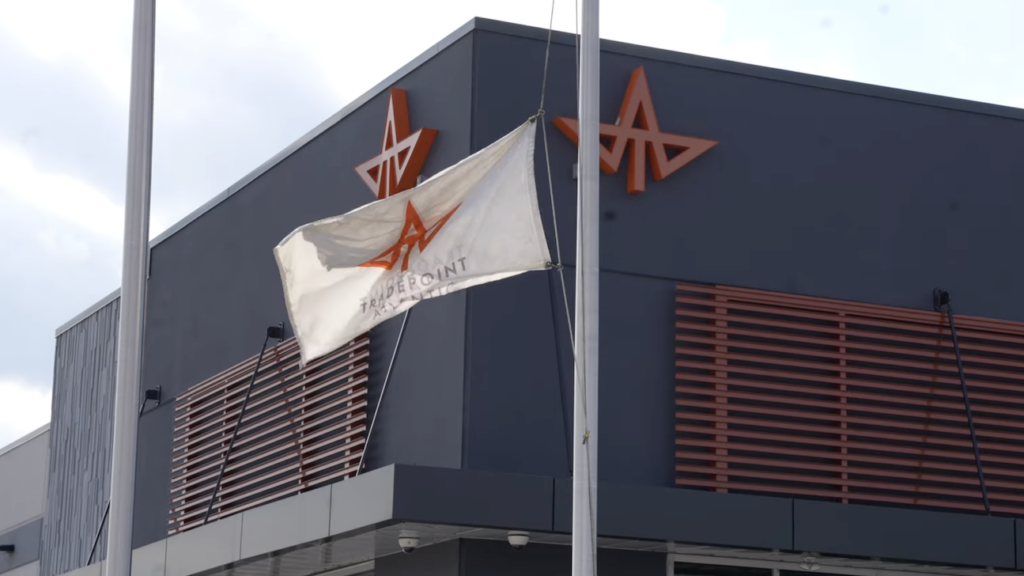
Baltimore is set to reclaim its shipbuilding heritage with a $3.7 billion submarine-component manufacturing plant at Tradepoint Atlantic, a multimodal logistics hub on the site of the former Bethlehem Steel shipyard. Anduril Industries, the defence contractor awarded a $2.9 billion U.S. Navy contract, will build the 2 million-square-foot facility, creating 3,100 permanent jobs and reviving maritime manufacturing at Sparrows Point.
The project, dubbed Arsenal-2, will produce components for the Navy’s Virginia-class nuclear-powered attack submarines. Initial production will focus on smaller parts such as torpedo tubes, with plans to expand into larger sections like bows and sterns. Components will be shipped to Huntington Ingalls in Newport, Virginia, and General Dynamics Electric Boat in Groton, Connecticut, for final assembly.
The facility will occupy the same site where Bethlehem Steel once dominated American shipbuilding. Tradepoint Atlantic acquired the property in 2014 and has since transformed it into a logistics and industrial hub, attracting investments like Mediterranean Shipping Co.’s $1.2 billion container terminal. The submarine plant marks a return to maritime manufacturing for the region, aligning with Maryland’s push to diversify its industrial base.
Tradepoint Atlantic’s location at the Port of Baltimore provides a critical advantage for defence manufacturing.
Sparrows Point, once home to Bethlehem Steel, was a cornerstone of American industrial might during the 20th century.
Jobs, incentives, and political controversy
The project is expected to generate more than $2 billion in annual economic output and $312 million in wages, according to the Maryland Department of Commerce. Governor Wes Moore hailed the development as a historic opportunity for the state, stating in a press release:
“With this facility, thousands of Marylanders will have new pathways to work, wages and wealth through advanced training and high-skilled maritime manufacturing jobs.”
Wes Moore·Governor of Maryland
The project is also expected to support an additional more than 14,000 total jobs across Maryland’s supply chain, from raw material suppliers to logistics providers.
However, the contract has sparked controversy due to its timing. Awarded just days after Anduril co-founder Palmer Luckey was appointed to a Pentagon weapons advisory group, alongside Elon Musk and former Republican Congressman Newt Gingrich, the deal has raised questions about political influence. The announcement also arrives weeks before Maryland’s midterm elections, where Gov. Wes Moore and eight House seats are on the ballot.
To secure the investment, Maryland and Baltimore County have pledged to match up to 13% of Anduril’s private investment through incentives. Baltimore County’s proposed contribution includes a $210 million personal property tax break over 30 years, though portions of the package require approval from the state legislature and county council. Similar tax breaks and grants have been offered by states like Virginia and Connecticut to lure defence contractors, underscoring the high stakes of securing these projects.
The facility is slated to begin initial operations in 2030, with President Donald Trump scheduled to visit Tradepoint Atlantic on October 6 to promote the project. If realised, the plant will be the largest single private investment in Maryland in over a decade and a cornerstone of the state’s efforts to position itself as a leader in advanced manufacturing and national security.
What this means for Baltimore’s maritime sector
The Anduril project represents a significant shift for Baltimore’s maritime industry, which has long been dominated by commercial shipping and logistics. The return of defence manufacturing to Sparrows Point could spur further investments in related sectors, such as steel fabrication, electronics, and advanced materials. The plant’s focus on submarine components also aligns with the Navy’s broader push to expand its fleet, creating long-term demand for skilled labour and specialised infrastructure.
For local businesses, the project offers opportunities to supply materials, services, and expertise to Anduril and its subcontractors. Small and medium-sized enterprises in Maryland’s manufacturing sector could see increased demand for precision parts, engineering services, and logistical support. Additionally, the plant’s presence may attract ancillary industries, such as research and development firms focused on maritime technology.
Residents of Baltimore and surrounding areas stand to benefit from the economic ripple effects of the project. The $312 million in annual wages generated by the plant will circulate through local economies, supporting retail, housing, and service sectors. The state’s investment in workforce training programmes also ensures that Marylanders have access to well-paying jobs in a growing industry, reducing reliance on traditional sectors like shipping and logistics.
The Anduril facility is still in the planning phase, with environmental assessments and infrastructure upgrades underway. The Maryland Department of Commerce and Baltimore County are overseeing the permitting process, which includes reviews of the project’s impact on local traffic, utilities, and environmental conditions. Public hearings will be held to gather community input before final approvals are granted.
Residents and businesses interested in the project can follow updates through the Maryland Department of Commerce’s official website, which provides details on job opportunities, training programmes, and economic impact assessments. The U.S. Navy’s submarine programme also offers insights into the broader defence manufacturing landscape, available on the Navy’s official portal.
For those seeking employment at the facility, Anduril Industries has begun outreach to local trade schools and community colleges to establish apprenticeship programmes. Prospective workers are encouraged to monitor the company’s careers page for openings in maritime manufacturing, engineering, and logistics roles. The first phase of hiring is expected to begin in 2028, with a focus on recruiting and training local talent ahead of the plant’s 2030 launch.


Sign up free to ask CAMAL AI for a summary, the key points or anything else about this story.
Related stories
CAMAL AI
 Financial Ports Newsletter
The maritime economy, every morning
Ports, shipping and freight markets in one short email. Free.
Financial Ports Newsletter
The maritime economy, every morning
Ports, shipping and freight markets in one short email. Free.



