

AI in shipping: Why the workforce is the real bottleneck
Matthew Talbot warns that AI pilots fail without six months of leadership oversight and role redesign
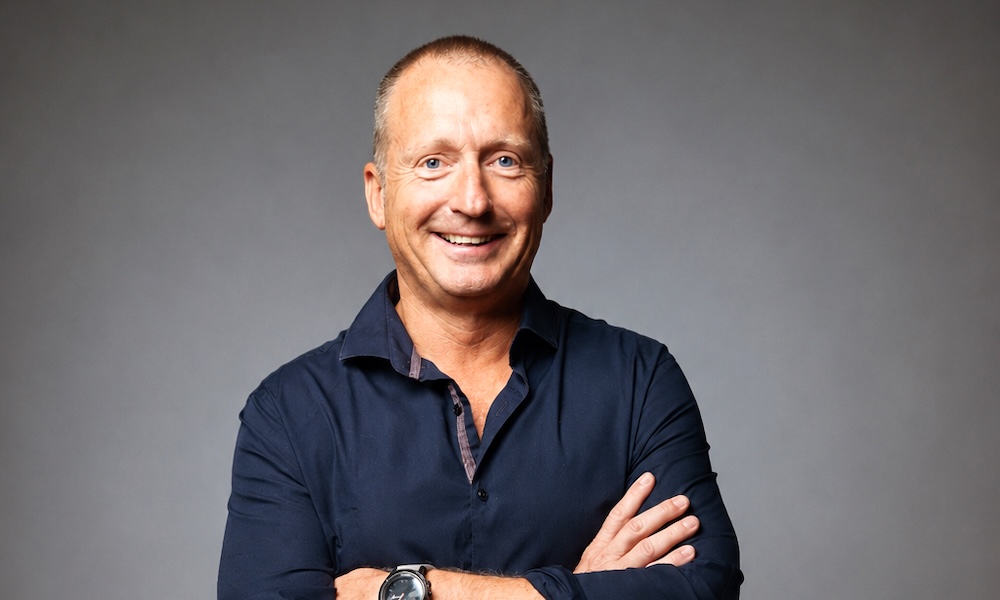
The co-CEO of Complexio, Matthew Talbot, has warned that the shipping industry’s AI experiments are colliding with a stubborn reality: technology alone cannot bridge the gap between digital promises and the fragmented, human-driven workflows of maritime operations.
Speaking ahead of his appearance at Splash Singapore on September 24, Talbot argued that the industry’s focus on AI adoption is misplaced. “This is really a workforce discussion before it is a technology discussion,” he told Splash. The challenge, he said, lies not in the algorithms but in the people who must use them, and the organisations that must adapt.
“A senior leader should oversee the results for at least six months after new technology is rolled out, but few companies budget for this,” he said. The result? Pilots are frequently labelled as technology failures when the underlying problem is poor change management.
Employees, he argued, need more than just new tools, they need redesigned roles, training, and new ways of measuring performance. Some jobs will change significantly; others may eventually disappear. “The verdict comes back the same way: clever, but blind to the business,” he said of early AI experiments in the sector.
The operational blind spot is particularly acute in shipping, where critical information is scattered across emails, chats, and attachments, not just structured records like noon reports or port calls. “It should be possible to ask AI what happened on a voyage because the answer exists, but it exists across six inboxes, two systems and one person’s memory,” Talbot explained. Previous waves of digitalisation ignored this unstructured data, but AI can now interpret it, unlocking what Talbot called “a shipping company’s most valuable knowledge.”
The model that could work: machine proposes, human approves: ai in shipping
Talbot expects AI in shipping to settle into a clear operating model: “The machine assembles and proposes, a named person approves.” Anything looser, he warned, will struggle in an industry where decisions are scrutinised by charterers, insurers, or tribunals.
Yet even this model demands workforce changes. Employees must learn to trust AI’s proposals, while companies must hire for new skill sets. At Splash Singapore, Talbot plans to push the conversation beyond adoption. “I would rather hear that disagreement aired than a consensus reached,” he said of the panel, which includes perspectives from BW Group, Rio Tinto, Cetus Maritime, and Marcura.
For Talbot, the real value of the event lies in uncovering where operational friction remains: what tasks employees most want off their plates, what makes them trust new systems, and which skills companies should prioritise next.
His closing remark underscored the human-centric shift he advocates: “If the conversation moves off whether to adopt AI and onto how to keep people at the centre of it, that is worth the flight.”
Without investment in training, role redesign, and sustained leadership oversight, even the most advanced AI tools will fail to deliver on their promises. The industry’s next challenge, he argues, is not adopting AI but ensuring that people remain at its core.
Sign up free to ask CAMAL AI for a summary, the key points or anything else about this story.
Related stories
Financial Ports Newsletter
The maritime economy, every morning
Ports, shipping and freight markets in one short email. Free.