

40 MWh Electric Cargo Ship: The Zero-Emission Vessel Redefining Short-Sea
Dutch firm Conoship launches an 89-metre electric-powered vessel with a 350-nautical-mile range at 10 knots.
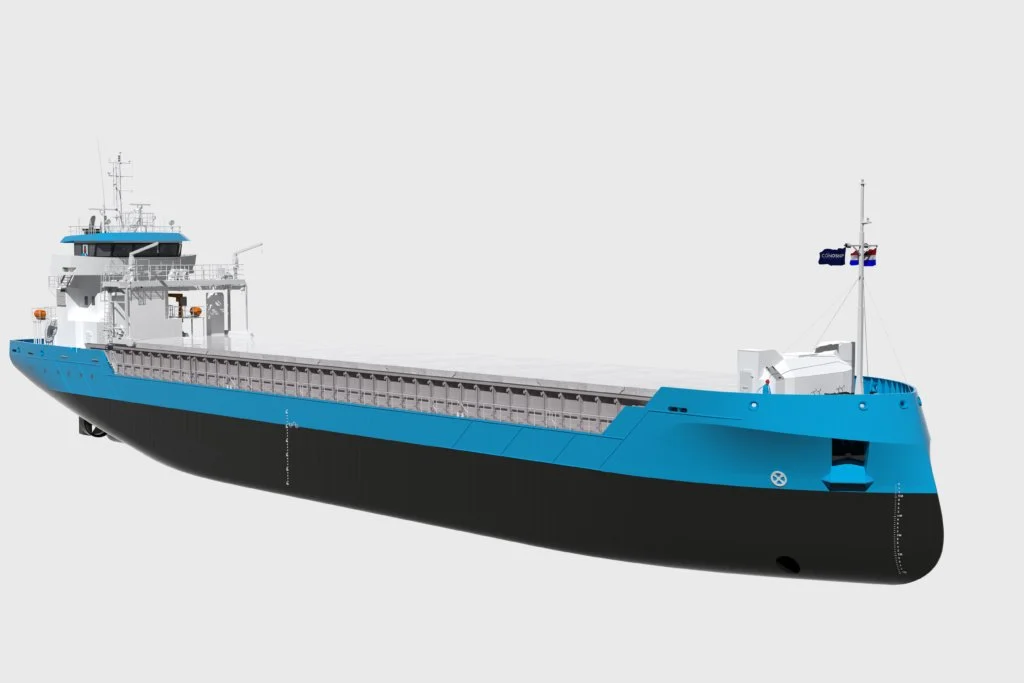
A Dutch engineering firm is advancing zero-emission shipping with a new electric-powered cargo vessel designed for short-sea routes. Conoship International has unveiled an 89-meter general cargo ship that runs entirely on electric propulsion, targeting environmentally sensitive coastal and river operations.
The vessel features a 40 MWh battery system, enabling it to travel 350 nautical miles at 10 knots or up to 650 nautical miles at 8 knots. This range makes it particularly suitable for Scandinavian fjords and other emission-restricted zones where shore power infrastructure is available. The design builds on Conoship’s existing 3,800-deadweight-ton platform, which has already seen six ships constructed, including the recently delivered Wilson ECO VI from India’s Udupi Cochin shipyard.
Flexibility for evolving maritime needs: Electric
The electric vessel maintains the same cargo capacity as its diesel-electric predecessors—over 180,000 cubic feet—while offering significant environmental benefits. To address potential limitations in shore power availability, the design includes an optional compact generator set powered by biofuel, allowing operators to extend their range without compromising sustainability goals.
Maarten Sickler, Conoship’s Sales Director, highlighted the practical advantages of this approach. “Shipowners don’t need to adopt unproven, experimental designs to pursue zero-emission shipping,” he stated. “This vessel retains all the proven benefits of our CIP series—optimized cargo space, low energy requirements, and flexible construction—while adding electric capability for specific trade routes.”
With over 2,000 ships built to its designs since its founding more than 70 years ago, Conoship has established itself as a leader in efficient and sustainable maritime solutions. The new electric vessel represents the company’s latest effort to reduce emissions in short-sea shipping while maintaining operational reliability.


Sign up free to ask CAMAL AI for a summary, the key points or anything else about this story.
Related stories
CAMAL AI
 Financial Ports Newsletter
The maritime economy, every morning
Ports, shipping and freight markets in one short email. Free.
Financial Ports Newsletter
The maritime economy, every morning
Ports, shipping and freight markets in one short email. Free.



