

25% of Global Trade at Stake: Why the Malacca Strait Must Stay Open
Indonesia, Singapore and Malaysia reaffirm commitment to keep the 435-nautical-mile waterway free for all vessels under.
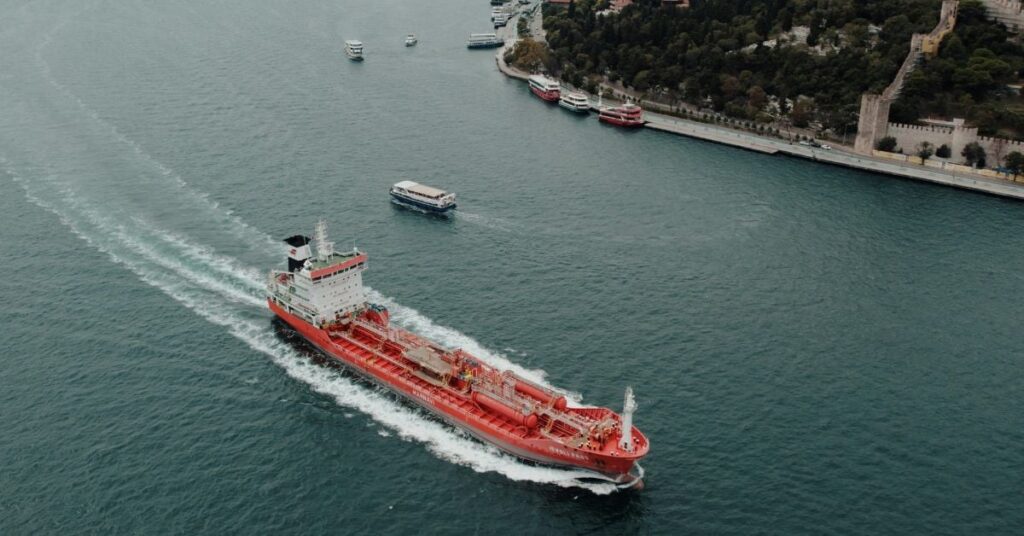
Indonesia, Singapore, and Malaysia have reaffirmed their commitment to keeping the Straits of Malacca and Singapore open for global shipping. The pledge was made during the 17th Co-operation Forum in Singapore, where the three nations emphasized the waterway’s role as a free and open maritime passage under international law.
The straits, spanning 435 nautical miles, serve as a critical link between the Indian Ocean, the South China Sea, and the Pacific Ocean. Approximately 25% of the world’s traded goods—including a substantial portion of Asia’s oil and energy supplies—pass through this route annually. Key transshipment hubs, such as the Port of Singapore and Malaysia’s Port of Klang, handle much of this cargo, underscoring the straits’ importance to global trade.
The commitment aligns with the 1982 United Nations Convention on the Law of the Sea (UNCLOS), which guarantees freedom of navigation in international waterways. Article 43 of UNCLOS specifically outlines the shared responsibility between littoral states and user nations to maintain the safety and accessibility of the straits. This principle is reinforced by the Co-Operative Mechanism, established in 2007, which formalizes collaboration among Indonesia, Malaysia, and Singapore on maritime security and operational efficiency.
Legal framework and shared responsibilities: malacca strait
During the forum, discussions also focused on modernizing ports and adopting alternative fuels to reduce emissions in the region. These initiatives reflect a broader effort to enhance sustainability in maritime operations while ensuring the straits remain a reliable route for global shipping.
While the pledge reaffirms the straits’ status as a free passage, maintaining security and efficiency remains a priority. The three nations are expected to deepen cooperation on technological upgrades and emission reduction strategies. For now, their primary focus is ensuring the waterway remains open and secure, a responsibility they share with the international shipping community.


Sign up free to ask CAMAL AI for a summary, the key points or anything else about this story.
Related stories
CAMAL AI
 Financial Ports Newsletter
The maritime economy, every morning
Ports, shipping and freight markets in one short email. Free.
Financial Ports Newsletter
The maritime economy, every morning
Ports, shipping and freight markets in one short email. Free.



