

US rail freight surges 7.8% as intermodal boxes outpace carloads
Intermodal volumes jumped 11.3% in the week ended Oct. 24, driven by strong container demand across North America.
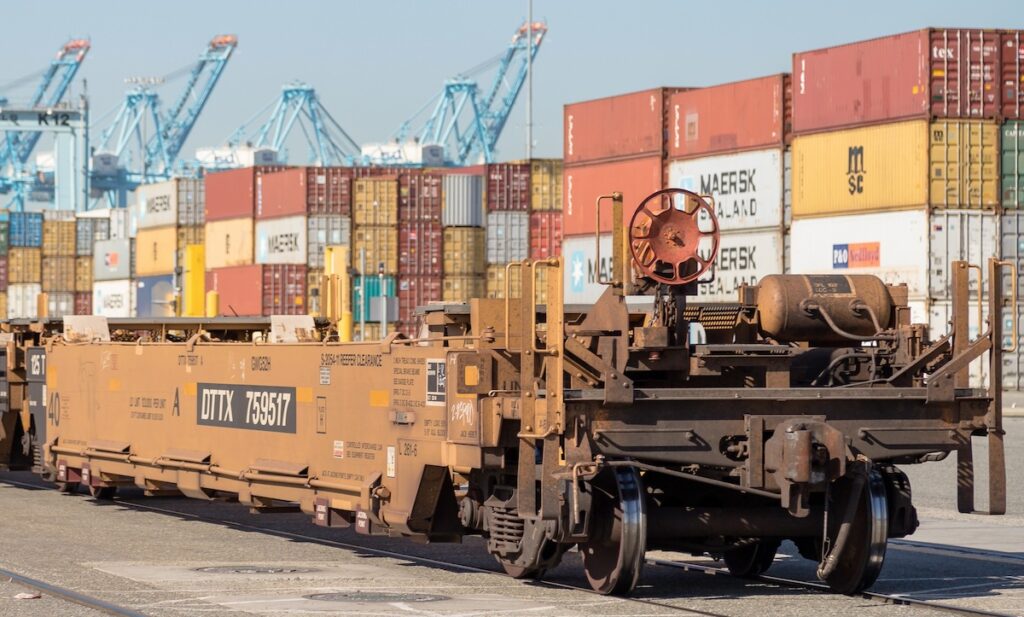
U.S. rail freight traffic rose 7.8% in the week ending October 24 compared to the same period in 2025, according to data from the Association of American Railroads (AAR). The increase reflects broad-based growth across most commodity groups, though gains were uneven.
The strongest performance came from intermodal traffic, which includes containers and trailers transported by rail. Volumes surged 11.3% year-over-year, significantly outpacing the 3.6% increase in carload traffic. Both metrics grew faster than their year-to-date averages, signaling accelerating momentum.
Intermodal shipments lead weekly growth: us rail freight
Among carload commodities, eight of the ten major groups posted gains. Petroleum and petroleum products led with a 15.4% rise, followed closely by motor vehicles and parts at 15.3%. Forest products and metallic ores and metals also saw strong increases of 11.7% and 11.6%, respectively. However, farm products excluding grain and food declined 3.7%, while grain traffic dipped 1.4%, a rare drop for the commodity.
The gains extended beyond U.S. borders. Combined traffic for the nine reporting railroads in the U.S., Canada, and Mexico climbed 8% for the week. Intermodal volume rose 10.8%, while carloads increased 5%. Mexico’s railroads saw the most dramatic growth, with carloads up 12.7% and intermodal traffic jumping 33.4%. Canadian railroads reported more modest gains, with carloads rising 7.6% and intermodal volume increasing 5.5%.
Regional trends and year-to-date performance
For the first 42 weeks of 2026, U.S. rail traffic is up 3.8% compared to the same period in 2025. Intermodal traffic has grown 4.7%, while carloads have risen 2.7%. Grain remains the top-performing carload commodity year-to-date, up 10.6%, despite its recent weekly decline. Metallic ores and metals follow with an 8.6% increase, while coal traffic has fallen 1.6%.
The AAR’s data underscores the role of intermodal shipments in driving rail freight growth, particularly as shippers seek efficient alternatives to trucking. With the holiday season approaching, railroads are expected to see continued demand for consumer goods and seasonal products.


Sign up free to ask CAMAL AI for a summary, the key points or anything else about this story.
Related stories
CAMAL AI
 Financial Ports Newsletter
The maritime economy, every morning
Ports, shipping and freight markets in one short email. Free.



