

US Navy SEALs Clear 80 Iranian Mines in Hormuz—But Is It Enough?
A four-month covert operation removed nearly 80 naval mines from the critical waterway.
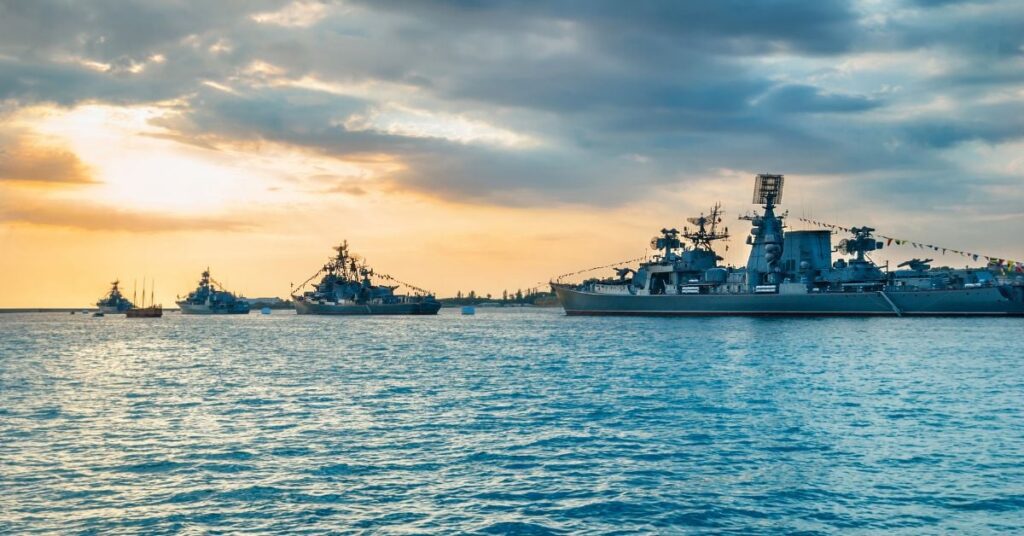
U.S. Navy SEALs completed a high-risk, four-month operation to remove naval mines from the Strait of Hormuz, a critical waterway targeted by Iran amid rising tensions. The covert mission, conducted entirely under the cover of night, successfully cleared the explosives without any American casualties.
According to the International Maritime Organisation, Iran’s Islamic Revolutionary Guard Corps (IRGC) had planted nearly 80 mines along key shipping lanes in the strait. The threat forced the U.S. to deploy its most elite special forces to neutralize the danger before it could disrupt global commerce or endanger civilian vessels.
The Perilous Work of Clearing Underwater Threats: Mines
Navy SEAL divers carried out the operation in near-total darkness, manually attaching explosives to each mine before detonating them from a safe distance. The process, described by officials as akin to “defusing a bomb underwater,” required extreme precision to avoid accidental detonations that could have damaged nearby ships.
Brent Crude
To locate the mines, the SEALs worked alongside unmanned drone boats equipped with sonar, as the IRGC admitted it had lost track of some of the explosives. The combination of advanced technology and human expertise allowed the team to systematically eliminate the threat over the course of four months.
Uncertainty Lingers Despite U.S. Claims of Success
Last week, U.S. President Donald Trump announced that the Strait of Hormuz was now “clear of all mines.” However, shipping experts and industry analysts remain cautious. Many argue that only the areas near the Omani coast, where the U.S. has directed vessels to transit, have been fully cleared. The rest of the waterway, they warn, could still conceal undetected explosives.
An expert noted that Iran’s continued presence in the strait—with numerous patrol vessels operating in the area—means new mines could be planted within hours. This persistent risk has left shipping companies wary, as a single mine strike could result in billions of dollars in losses and send oil prices surging.
The fragility of the situation was underscored by the oil market’s reaction. While prices initially dropped following Trump’s announcement, they quickly rebounded after tanker attacks resumed within a month. The incident highlights the ongoing struggle to secure one of the world’s most vital maritime chokepoints.


Sign up free to ask CAMAL AI for a summary, the key points or anything else about this story.
Related stories
CAMAL AI
 Financial Ports Newsletter
The maritime economy, every morning
Ports, shipping and freight markets in one short email. Free.
Financial Ports Newsletter
The maritime economy, every morning
Ports, shipping and freight markets in one short email. Free.



