

Iran Targets Sinokor: Legal Threat to 7 Tankers in Hormuz From November
Tehran’s Persian Gulf Strait Authority accuses South Korea’s Sinokor of the highest violation count in three months and.
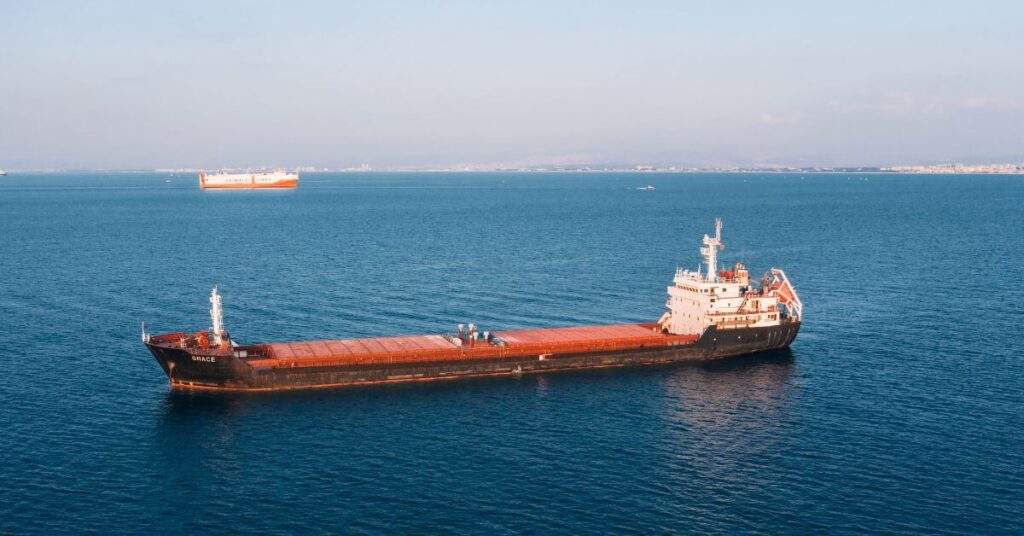
Iran has escalated its campaign against commercial shipping in the Strait of Hormuz by threatening legal action against vessels linked to South Korean shipping firm Sinokor, which Tehran accuses of repeatedly violating its transit rules.
The PGSA stated that Sinokor vessels had “committed the highest number of passage violations over the past three months,” a claim that has sent ripples through the global shipping industry.
The Korea Shipowners’ Association confirmed that the vessels in question were not directly owned by Sinokor but had been sub-chartered to an overseas oil company. Notably, none of the vessels carried South Korean crew members, with all seafarers on board being foreign nationals. Sinokor itself was reportedly unaware of the PGSA’s warning and is currently verifying the details with its legal and operational teams.
Brent Crude
Sinokor’s Fleet Under Scrutiny: strait of hormuz
The dispute comes amid heightened tensions in the region following US and Israeli airstrikes on Iran on February 28. Tehran has since tightened restrictions on shipping through the Strait of Hormuz, a critical chokepoint for global oil supplies, in an effort to exert leverage over Washington and disrupt oil flows from Arab Gulf producers.
Iran’s crackdown has already had tangible effects. The PGSA reported that it had taken “appropriate enforcement measures” against at least seven of Sinokor’s vessels, while a broader list issued in August named 45 tankers accused of violating Iran’s transit rules.
The United States has responded to Iran’s actions by imposing a naval blockade against ships linked to Tehran in the strait. This has sharply restricted Iranian exports and forced Gulf oil producers to adapt by relying on “dark transits,” where tankers switch off their tracking systems to avoid detection. The uncertainty surrounding Iran’s enforcement of its transit rules has created significant challenges for shipowners, charterers, and oil companies operating in the region.
Geopolitical Tensions Disrupt Oil Flows
The Korea Shipowners’ Association confirmed that Sinokor is actively reviewing the warning, though the potential impact on the company’s operations remains unclear.
Any disruption to shipping in the strait has immediate consequences for oil prices and supply chains, particularly for Asian markets, which are the primary destination for Gulf oil exports. The current dispute between Iran and Sinokor underscores the broader geopolitical risks facing the maritime industry, as tensions between Tehran and Western powers continue to escalate.
The firm’s rapid expansion in 2026, including the purchase of 72 VLCCs, reflects its ambition to dominate the crude oil shipping market, but it also makes it a high-profile target for regulatory and geopolitical pressures.
Industry analysts warn that the PGSA’s actions could set a precedent for how Iran enforces its transit rules in the future. If Sinokor’s vessels are subjected to legal action, other shipping companies may face similar scrutiny, particularly those with large fleets operating in the region. The lack of clarity around Iran’s enforcement measures adds to the uncertainty, leaving shipowners and charterers in a difficult position as they navigate the evolving regulatory landscape.
For now, the focus remains on Sinokor’s response to the PGSA’s warning. The company has yet to issue a public statement, but industry sources suggest it is likely to engage with Iranian authorities to clarify the violations and seek a resolution. In the meantime, vessels linked to Sinokor continue to transit the Strait of Hormuz, though under heightened scrutiny and with the looming threat of legal consequences from November 1.
The situation serves as a stark reminder of the vulnerabilities facing global shipping in geopolitically sensitive regions. As tensions between Iran and Western powers show no signs of abating, the maritime industry must brace for further disruptions and adapt to an increasingly complex regulatory environment.


Sign up free to ask CAMAL AI for a summary, the key points or anything else about this story.
Related stories
CAMAL AI
 Financial Ports Newsletter
The maritime economy, every morning
Ports, shipping and freight markets in one short email. Free.



