


Seafarers in crosshairs: Why merchant crews deserve real protection
The death of a chief engineer in the Strait of Hormuz exposes the industry’s failure to shield civilian crews from.
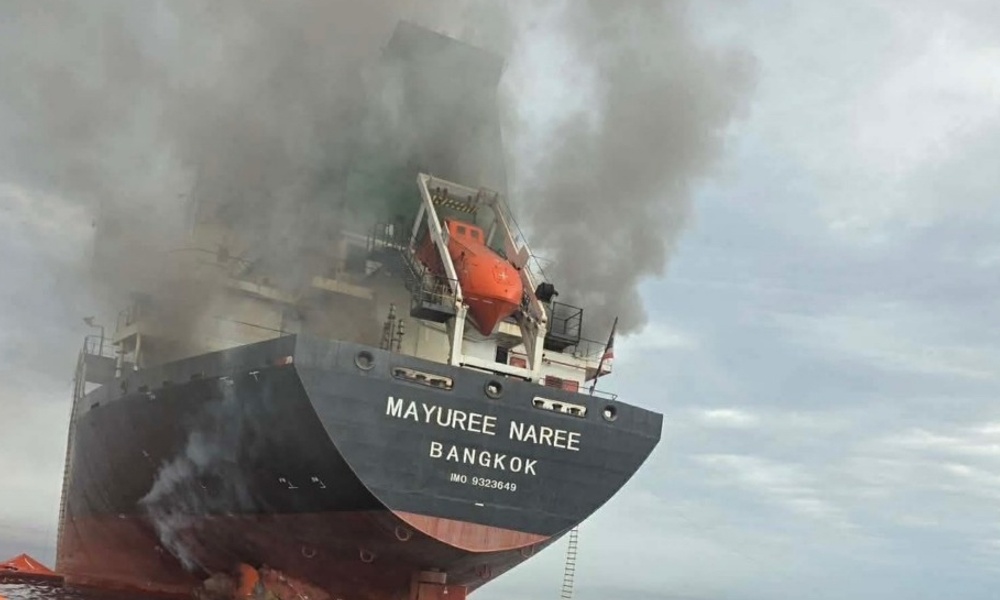
The killing of a chief engineer aboard the Liberian-flagged Minoan Dignity in the Strait of Hormuz has laid bare a grim reality: merchant seafarers are dying in conflict zones with no enforceable protections. While the shipping industry issues condemnations, crews continue to navigate waters where missiles, drones, and mines make every voyage a gamble with their lives.
Yet this was not an isolated incident. The question now is whether the industry’s response will move beyond statements of outrage to tangible action.
Why seafarers are being treated as expendable
Seafarers are civilians, not combatants. They have no stake in the conflicts that turn shipping lanes into battlegrounds, yet they bear the brunt of the violence. Mark O’Neil, writing for Splash, pulls no punches:
«Seafarers are civilians. They are not combatants and have no part in the political or military disputes through which they are required to navigate.»
Mark O’Neil·Shipping industry commentator
If a missile struck a cruise ship, killing a passenger, the outrage would be immediate. Governments would face pressure to act, and the victim would be humanised as a parent, sibling, or friend. But when a seafarer dies aboard a merchant vessel, the response is often muted.
Compounding the problem is the lack of real choice for seafarers. Refusing to sail through high-risk areas can mean losing wages, missing rotations, or jeopardising future employment. As O’Neil notes:
«When someone has a family depending on their wages, that is not a choice made on equal terms.»
Mark O’Neil·Shipping industry commentator
Ships must trade, cargoes must be delivered, and customers must be served, but at what cost? The burden of risk is disproportionately placed on those with the least influence over routing decisions.
What enforceable protections could look like
The path forward requires a collective industry response, one that goes beyond rhetoric. Unions, shipowners, charterers, and governments must unite to establish enforceable rights for seafarers, including the right to refuse passage through active conflict zones without penalty. Those who choose to sail should do so with informed consent, backed by appropriate compensation, insurance, and guarantees for evacuation and repatriation.
Risk assessments must be robust and transparent, with commercial pressures never overriding the safety of crews. Where naval protection is necessary, the industry must press governments to provide it. O’Neil argues for a harder line:
«Attacks on merchant ships and their crews are unacceptable, and those responsible must understand that there will be consequences.»
Mark O’Neil·Shipping industry commentator
This could include coordinated commercial measures, such as restrictions on trade with aggressor states or refusals to call at certain ports. As O’Neil puts it,
«If we are unwilling to accept any of that burden, we are effectively asking seafarers and their families to accept all of it.»
The goal is not to escalate conflict but to defend a fundamental principle: merchant ships are not legitimate military targets, and civilian seafarers are not expendable. The death of the Minoan Dignity’s chief engineer should serve as a wake-up call. The industry must act before the next crew becomes collateral damage.
Sign up free to ask CAMAL AI for a summary, the key points or anything else about this story.
Related stories
Financial Ports Newsletter
The maritime economy, every morning
Ports, shipping and freight markets in one short email. Free.