

Greenpeace Boarding Halts $12.5bn Scarborough Gas Project: 2 Arrested
Woodside Energy pauses pre-commissioning work at 98% complete offshore LNG project.
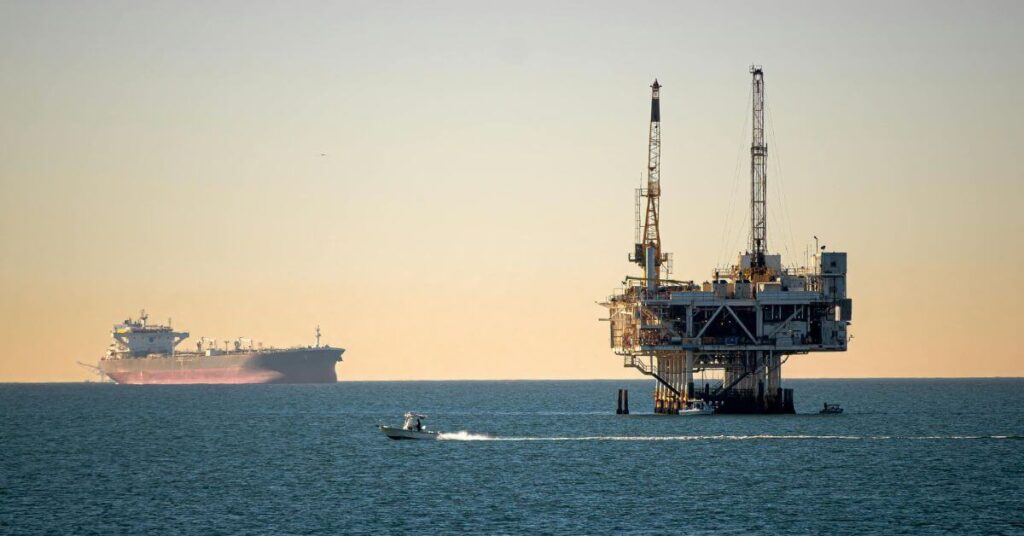
Woodside Energy has paused pre-commissioning work at its $12.5 billion Scarborough gas project after two Greenpeace activists boarded the offshore facility, disrupting operations at a site 98% complete and scheduled to begin production before the end of 2026.
local time on Saturday, displayed banners reading “Stop Woodside’s Dirty Gas. Save Scott Reef”. The platform, located about 375 km (233 miles) off Western Australia’s north-west coast, was the target of a protest aimed at halting Woodside’s broader plans for the region, including the proposed Browse gas project.
The Protest and Its Immediate Impact: scarborough gas project
The group set up temporary hanging tents and planned to occupy the facility for as long as possible to draw attention to the environmental risks posed by Woodside’s plans.
Natural Gas
Woodside Energy confirmed on Sunday that operations at the FPU remained safely paused following the unauthorised access. A company spokesperson stated that the protest had required Western Australian resources to manage safety, security, and operational issues, describing the response as “significant, potentially costly and avoidable”. The spokesperson added that the activists’ actions had put “the surrounding environment, people and facility at risk”.
and subsequently charged with interfering with offshore petroleum installations or operations, an offence that carries a maximum penalty of 10 years in prison.
Environmental Concerns and Broader Opposition
While the protest targeted the Scarborough project, Greenpeace’s primary concern lies with Woodside’s proposed Browse gas project, located more than 1,000 km away. The environmental organisation argues that the Browse project, described as Australia’s largest undeveloped offshore gas resource, could harm Scott Reef, a remote coral system and critical feeding area for the endangered pygmy blue whale.
The Australian Conservation Foundation has also challenged the Browse project, launching a legal intervention in June. The foundation argues that emissions from the project would contribute to climate change and threaten natural environments in Western Australia, including the Great Barrier Reef. In June, UNESCO decided against listing the Great Barrier Reef as an endangered World Heritage site, though it expressed continued concerns about climate-related damage and mass coral bleaching.
Woodside has maintained that its proposed Browse project would not make physical contact with Scott Reef in waters deeper than 75 metres. However, environmental groups remain sceptical, pointing to the potential for indirect impacts, such as increased shipping traffic and the risk of spills.
The project is a critical component of Australia’s energy strategy, aimed at meeting both domestic and international demand for LNG.
Woodside had originally scheduled the Scarborough project to begin operating before the end of 2026, but the recent protest may cause delays in the timeline for the first LNG cargo. The company has not yet announced a revised start-up date, though it confirmed on October 19 that work had resumed at the facility.
The incident has highlighted the growing tension between Australia’s energy ambitions and environmental concerns. While the Scarborough project is nearing completion, opposition from groups like Greenpeace and the Australian Conservation Foundation underscores the challenges facing the country’s offshore energy sector. The legal intervention against the Browse project, currently before the courts, could further complicate Woodside’s plans for the region.
For stakeholders in the energy sector, the protest serves as a reminder of the increasing scrutiny faced by offshore projects. Companies operating in environmentally sensitive areas may need to adopt more robust engagement strategies to address community and activist concerns, particularly as global pressure to transition away from fossil fuels intensifies.
The Australian Border Force, which coordinated the response to the incident alongside federal and state authorities, has not provided further updates on the activists’ legal proceedings. However, the case is likely to reignite debates over the balance between energy development and environmental protection in Australia’s offshore waters.


Sign up free to ask CAMAL AI for a summary, the key points or anything else about this story.
Related stories
CAMAL AI
 Financial Ports Newsletter
The maritime economy, every morning
Ports, shipping and freight markets in one short email. Free.



