

Saudi Oil Rerouted: How 1.1m Barrels a Day Evade Houthi Blockade
Saudi Aramco shifts exports to northern Red Sea ports after Houthi attacks surge.
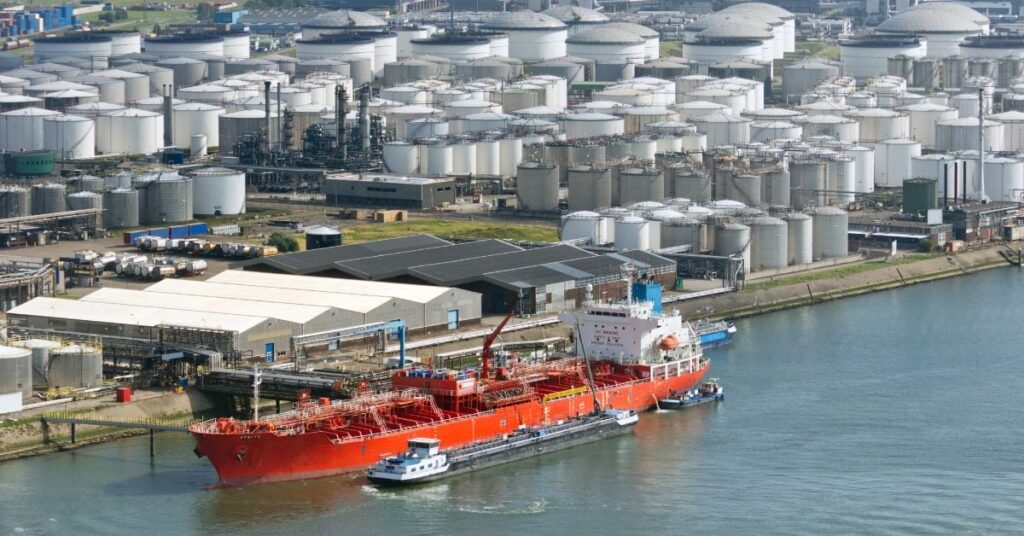
Saudi Arabia has adjusted its oil export routes to avoid Houthi attacks in the southern Red Sea, relying on a safer northern passage to maintain shipments to global markets.
State-owned Saudi Aramco has shifted exports to Mediterranean ports like Sidi Kerir after Houthi forces targeted vessels departing from the southern Red Sea terminal at Yanbu. To bypass the high-risk Bab el-Mandeb Strait, shipping companies, including Sinokor, Dynacom, and DHT Management AS, are operating shuttle tankers between Yanbu and Ain Sukhna. There, crude is offloaded and transported north via pipeline.
This strategy mirrors the United Arab Emirates’ earlier approach to avoid the Strait of Hormuz, though it adds complexity to supply chains. Tankers now sail around southern Africa to reach Asian markets, extending voyages by an extra week and increasing fuel costs.
DHT Holdings
Shuttle Tankers Reroute Crude Shipments: Saudi
Since the Houthis declared a blockade on July 20, 2026, Saudi crude exports through northern Red Sea ports have climbed by a third, reaching 1.1 million barrels per day. At least four tankers have completed multiple trips between Yanbu and Ain Sukhna, moving roughly 16 million barrels of crude.
While the rerouting ensures continuity, the longer journey strains operational budgets. The maritime industry now faces prolonged disruptions in a key oil corridor, with no clear end to the security risks.


Sign up free to ask CAMAL AI for a summary, the key points or anything else about this story.
Related stories
CAMAL AI
 Financial Ports Newsletter
The maritime economy, every morning
Ports, shipping and freight markets in one short email. Free.



