

RCL bets big on feeders: $128m quartet to revive Bangkok-Singapore roots
Thailand’s Regional Container Lines orders four 1,900 TEU vessels at CSSC Huangpu Wenchong.
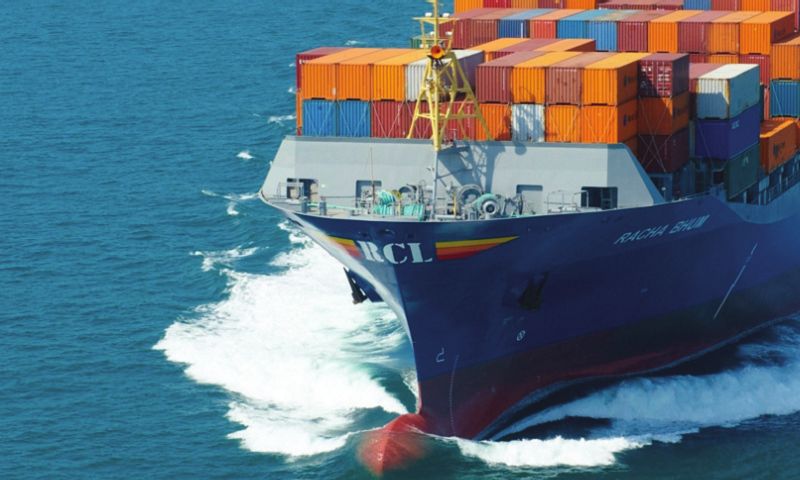
Thailand’s Regional Container Lines (RCL) has reinforced its feeder fleet with an order for four new container ships at CSSC Huangpu Wenchong shipyard in Guangzhou. The vessels, each with a capacity of 1,900 TEU, mark a return to the carrier’s origins in regional shipping.
The ships will be built using the yard’s in-house design, measuring 172 meters in length and 27.5 meters in width, with a deadweight tonnage of approximately 24,000 DWT. Designed to meet IMO Energy Efficiency Design Index Phase III standards, the vessels will feature shore power connectivity and scrubbers to reduce emissions. While financial details and delivery schedules remain undisclosed, industry estimates place the cost of similar newbuilds at around $32 million per unit.
Technical specifications and compliance: feeder ships
The order adds to RCL’s existing newbuild pipeline, which includes eight 4,300 TEU ships already booked at Huangpu Wenchong and two 14,000 TEU vessels ordered from HD Hyundai Heavy Industries. With these latest feeders, the company’s total newbuild capacity will increase by 7,600 TEU, aligning with its broader strategy to take delivery of 16 ships by 2028, ranging from 4,300 TEU to nearly 14,000 TEU.
HD Hyundai Heavy
As of June, RCL operated a fleet of 45 ships with a combined capacity of 200,216 TEU. Founded in 1979 as a feeder service between Bangkok and Singapore, the carrier has gradually expanded into larger vessel classes while maintaining its regional focus. This latest order underscores its commitment to balancing agility in short-sea trades with long-term growth in deeper-sea markets.


Sign up free to ask CAMAL AI for a summary, the key points or anything else about this story.
Related stories
CAMAL AI
 Financial Ports Newsletter
The maritime economy, every morning
Ports, shipping and freight markets in one short email. Free.



