

Ford-Class Carrier Kennedy Hits 99%—Why the Navy Can’t Wait Until Spring
The U.S. Navy has taken preliminary acceptance of the 99%-complete USS John F. Kennedy (CVN 79).
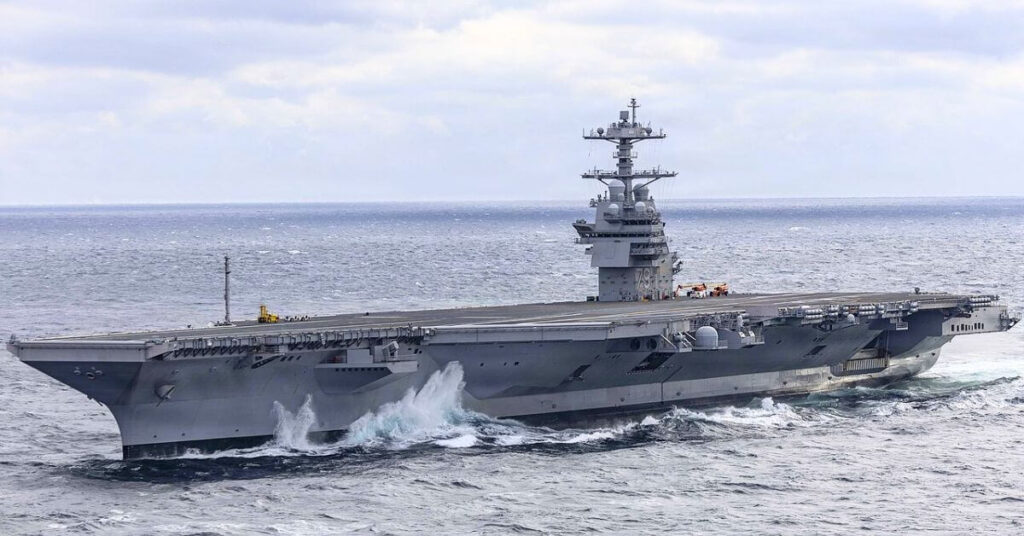
The U.S. Navy has reached a key milestone in the construction of its second Gerald R. Ford-class aircraft carrier, the future USS John F. Kennedy (CVN 79). On September 29, the Navy took preliminary acceptance of the vessel, allowing the ship and its crew to begin more extensive testing and training at sea.
The carrier, built by Newport News Shipbuilding—a division of HII—is now approximately 99% complete, with all major systems finished. However, this step does not mark the ship’s entry into active service. Instead, it enables the Navy to conduct further evaluations while the shipbuilder completes remaining tasks, including the testing of the last four Advanced Weapons Elevators. These elevators are essential for transporting weapons and ordnance between the carrier’s storage magazines and the flight deck.
Next Steps Before Formal Delivery: Navy
The Navy’s decision to take preliminary acceptance follows the successful completion of the carrier’s Acceptance Trials in August. During these trials, the Navy assessed the ship’s major systems to ensure they met required standards. Now, with preliminary acceptance granted, the USS John F. Kennedy has moved to Naval Station Norfolk to continue testing and crew training.
This approach allows the Navy to accelerate the carrier’s operational readiness by giving the crew more time at sea. It also provides an opportunity to identify and resolve any issues before the ship’s formal delivery, currently scheduled for spring 2027. The Navy has described this as the fastest path toward making the carrier combat-ready.
Advancements in the Ford-Class Design
The USS John F. Kennedy is the second carrier in the Gerald R. Ford class, following the USS Gerald R. Ford (CVN 78). These carriers feature significant design improvements, including enhanced aircraft launch and recovery systems, more efficient weapons handling, and other operational upgrades. The class is intended to modernize the Navy’s fleet and improve its ability to project power globally.
With the USS Gerald R. Ford already demonstrating the class’s capabilities during extended deployments, the Navy is working to bring the John F. Kennedy into service as quickly as possible. The additional testing and training period will ensure the crew is fully prepared to operate the advanced systems before the carrier is declared fully operational.
The Navy’s Portfolio Acquisition Executive for Maritime, which oversees surface ship delivery, has emphasized the importance of this phase in speeding up the transition from construction to combat readiness. As the USS John F. Kennedy nears formal delivery, the focus remains on completing final testing and preparing the ship for its future role in the fleet.


Sign up free to ask CAMAL AI for a summary, the key points or anything else about this story.
Related stories
CAMAL AI
 Financial Ports Newsletter
The maritime economy, every morning
Ports, shipping and freight markets in one short email. Free.
Financial Ports Newsletter
The maritime economy, every morning
Ports, shipping and freight markets in one short email. Free.



