

Iran’s 45-Ship Blacklist Sparks Strait of Hormuz Crisis: Who’s Next?
Tehran threatens detention, fines, or confiscation for vessels linked to Gulf states and global owners.
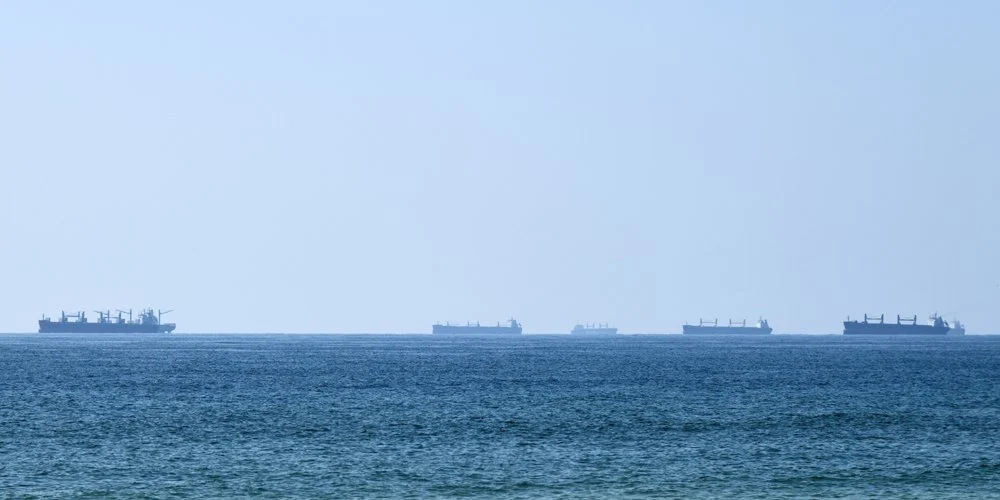
Iran has taken a decisive step in its standoff with global shipping by releasing a blacklist of 45 vessels, warning of fines, detention, or even confiscation for non-compliance. The move, announced by Tehran’s Persian Gulf Strait Authority on Sunday, targets ships linked to key Gulf energy players and international operators.
The blacklist includes vessels from the Abu Dhabi National Oil Company (ADNOC), Saudi Arabia’s Bahri, Qatar’s Nakilat, and South Korea’s Sinokor. The authority warned that any ship collaborating with these blacklisted vessels, including those involved in ship-to-ship transfers outside the Gulf, could face similar penalties. The announcement marks a shift from rhetoric to direct action, with Iran asserting control over one of the world’s most critical maritime chokepoints.
The Persian Gulf Strait Authority urged shipping companies to review the list before chartering vessels, cautioning that failure to comply would result in “restrictions on future passages.” The warning comes as Iran intensifies its media campaign, dismissing U.S. claims about oil flows through the Strait of Hormuz as “baseless, unrealistic, and fanciful.” Meanwhile, Washington has escalated its economic pressure, with U.S. officials vowing to “sever every economic lifeline” until Iran yields.
Brent Crude
Traffic Through the Strait Declines Amid Rising Tensions: strait of hormuz
Maritime data reveals the immediate impact of Iran’s blacklist and the U.S. blockade. According to analytics firm Kpler, laden transits through the Strait of Hormuz dropped by 27% last week, even as total crossings increased slightly to 121 vessels. The number of sanctioned crossings nearly doubled, rising from 9 to 16, with half of the vessels identified as tankers and a quarter as crude oil carriers.
U.S. Energy Secretary Chris Wright contradicted Iran’s claims, stating that the “7-day average of oil leaving the Strait of Hormuz exceeds 8 million barrels per day.” However, Kpler’s weekend figures tell a different story: fewer than 20 commercial vessels passed through the strait, with only four recorded on Sunday. U.S. Central Command confirmed that as of August 24, 70 vessels had been redirected under the blockade, while three were disabled and two boarded for compliance checks.
Iran countered by asserting that an unnamed container vessel had evaded the U.S. blockade and docked at one of its ports on Monday. Central Command dismissed the claim, insisting the blockade remained fully operational. Meanwhile, Iran’s Parliament has approved new regulations allowing Tehran to impose fees for services such as navigation, environmental protection, and fuel supply in the Strait of Hormuz.
“If the economic war continues, not a single drop of oil will be exported, neither through the Strait of Hormuz nor from anywhere in the Persian Gulf.”
Mohsen Rezaei·Iran’s top security official


Sign up free to ask CAMAL AI for a summary, the key points or anything else about this story.
Related stories
CAMAL AI
 Financial Ports Newsletter
The maritime economy, every morning
Ports, shipping and freight markets in one short email. Free.



