

FSL offloads ageing tanker as fleet shrinks to five vessels
Singapore-listed First Ship Lease Trust sells 2006-built Speciality after returning the vessel from bareboat charter.
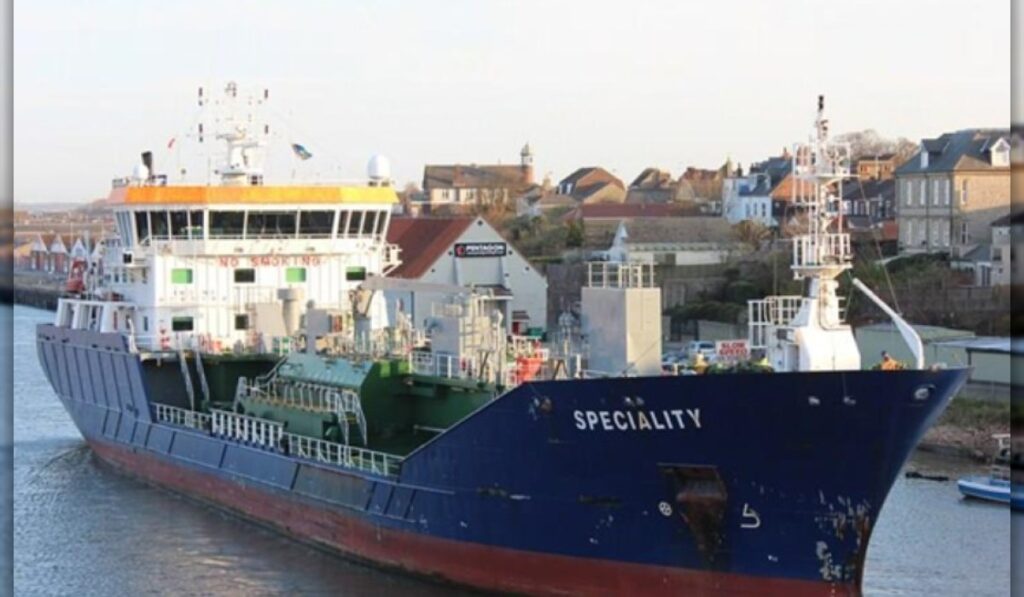
Singapore-based First Ship Lease Trust (FSL) has reached an agreement to sell one of its older product tankers, the Speciality, as part of an ongoing effort to streamline its fleet. The trust announced in a regulatory filing that its subsidiary, FSL-14, finalized the deal with an unnamed buyer.
The 4,426 dwt vessel was constructed in 2006 at China’s Qingshan Shipyard. While FSL has not disclosed the sale price, the buyer has already placed a 10% deposit in escrow, signaling progress toward closing the transaction. Further details will be released once the sale is completed.
The Speciality had been operating under a bareboat charter with UK shipping company James Fisher before being returned to FSL in May 2026. Following its return, the tanker underwent drydocking. The sale will reduce FSL’s fleet to five product tankers, all of which are currently covered by existing charter agreements.
Global Ship Lease
Recent fleet adjustments and financial strategy: fleet reduction
This latest disposal follows a pattern of fleet reductions by FSL. In 2025, the trust sold the 2005-built Clyde Fisher, and in December 2024, it divested the 2004-built Cumbrian Fisher. These moves reflect a broader industry trend where shipowners opt to sell or scrap older vessels rather than invest in upgrades to comply with tightening emissions regulations.
Despite the sale of the Speciality, FSL has secured long-term revenue stability through recent charter renewals. In late 2025, the trust extended contracts with James Fisher, including agreements for the Speciality, Seniority, and Superiority, which collectively added approximately $12.3 million in contracted future revenue.
Market implications and FSL’s outlook
The sale of the Speciality underscores the challenges facing owners of aging tonnage in today’s maritime sector. With regulatory pressures and evolving market demands, FSL’s decision to divest the vessel aligns with a strategy focused on maintaining a leaner, more predictable fleet.
While FSL has not disclosed its plans for the proceeds, the funds could be directed toward debt reduction, fleet modernization, or shareholder returns. The trust’s remaining five tankers, all under existing charters, provide near-term revenue stability. However, as industry regulations continue to evolve, FSL may need to evaluate further fleet adjustments to sustain its competitive position.
The completion of the Speciality sale is expected in the coming weeks, though FSL has not provided a specific timeline. Industry observers will be monitoring whether additional disposals follow as the trust refines its fleet composition.


Sign up free to ask CAMAL AI for a summary, the key points or anything else about this story.
Related stories
CAMAL AI
 Financial Ports Newsletter
The maritime economy, every morning
Ports, shipping and freight markets in one short email. Free.



