

Freight fraud soars: 213% spike in identity theft hits cross-border trade
Mexican trade officials warn criminals are impersonating customs brokers to steal payments in cross-border shipments
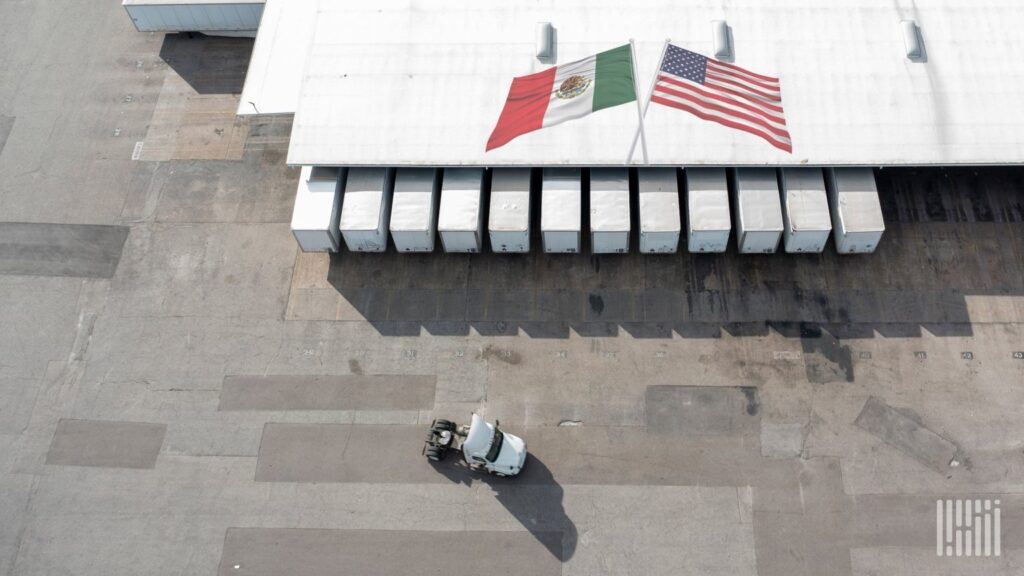
Criminals are exploiting the high-pressure world of cross-border freight, with identity theft targeting customs payments surging 213% in just two years.
The warning comes as new data reveals the scale of the problem. A 2025 report by identity-verification firm IDScan.net found that attempted identity fraud in U.S. cargo and logistics operations jumped from 0.53% of transactions in 2023 to 1.66% in 2024, a 213% increase. The rate climbed another 30% in 2025, reaching 2.15%.
How fraudsters exploit the urgency of cross-border trade: Freight
Javier Cendejas, president of the Mexican Council for Foreign Trade’s Northeast chapter (COMCE Noreste), detailed the tactics used by criminals during a Sept. 28 news conference. Fraudsters create internet domains that mimic legitimate companies, impersonate executives, and send urgent messages claiming that banking details for a transaction have changed. In one case, a foreign trade company made an electronic payment believing it was going to a customs agency, only to discover that a third party had stolen identities connected to the transaction and diverted the funds.
Cendejas highlighted the vulnerability of advance payments to customs brokers, which can cover handling, storage, pre-validation, transportation, and other expenses. The time-sensitive nature of cross-border freight amplifies the risk, as importers may receive urgent requests for money to release cargo or avoid storage charges. “This urgency can lead a treasury employee to make a transfer without verifying it through a second channel,” Cendejas warned.
The fraudsters often possess enough information about actual shipments to make their requests appear legitimate.
As fraud risks rise, major corporations are investing heavily in Mexico’s manufacturing sector, further increasing the stakes for secure cross-border trade. 24, will add 62,000 square meters of industrial infrastructure and create over 1,300 jobs by 2029.
Nancy Sánchez, LEGO’s general manager and senior vice president of Americas Manufacturing, stated that the expansion aims to shorten supply chains and respond to regional demand.
Meanwhile, alternative investment firm Wafra Inc. has invested in Liberty Development Partners’ Gulf Inland Logistics Park, a 3,900-acre rail-served logistics hub in Dayton, Texas. The park, which connects with Union Pacific and BNSF Railway, offers storage capacity for over 1,000 railcars and aims to accelerate development of rail-served infrastructure projects. Liberty’s existing management team will continue operating the park and CMC Railroad, which provides critical links to the U.S.-Mexico border.
The logistics park’s strategic location near U.S. Highway 90 and State Highway 99 99 positions it as a key node for cross-border freight. With attempted identity fraud now affecting over 2% of all cargo transactions, companies must adopt stricter verification protocols to safeguard payments and maintain trust in global supply chains.
For importers and exporters, the message is clear: verify, verify, verify. Cendejas recommends implementing multi-channel verification processes for all financial transactions, particularly those involving advance payments to customs brokers. Companies should also train employees to recognize red flags, such as sudden changes in banking details or urgent requests for funds. As cross-border trade continues to grow, so too will the sophistication of fraudsters, making vigilance a non-negotiable part of the logistics business.
The next steps for industry stakeholders include collaborating with identity-verification firms like IDScan.net to deploy advanced fraud detection tools. Mexican trade officials are also urging companies to report incidents promptly to authorities, as coordinated action can help dismantle criminal networks. With LEGO’s expansion and other major investments set to boost cross-border freight volumes, the stakes for securing payments have never been higher.


Sign up free to ask CAMAL AI for a summary, the key points or anything else about this story.
Related stories
CAMAL AI
 Financial Ports Newsletter
The maritime economy, every morning
Ports, shipping and freight markets in one short email. Free.
Financial Ports Newsletter
The maritime economy, every morning
Ports, shipping and freight markets in one short email. Free.



